
Short answer
Hours tell you how much a machine worked, not what shape it's in. To value it, divide the hours by its years in service, compare them with the real condition of the major components (engine, hydraulics, transmission and undercarriage) and with the service history, and take into account what work it did. A machine with many hours, well maintained and with a complete history can be worth more than one with few hours and no paperwork.
The hour meter tells you how much, not how
The hour meter counts hours with the engine running. It's the easiest figure to read and that's why it weighs so much in a negotiation, but it's only the starting point. Two machines of the same model with the same hours can be in very different shape: one loaded loose material with on-time service; the other broke rock with a hammer and skipped oil changes.
That's why there's no serious «at so many hours it's worth so much» table. What does exist is a method to put the hours in context, and it's the one every experienced buyer uses.
First calculation: hours per year
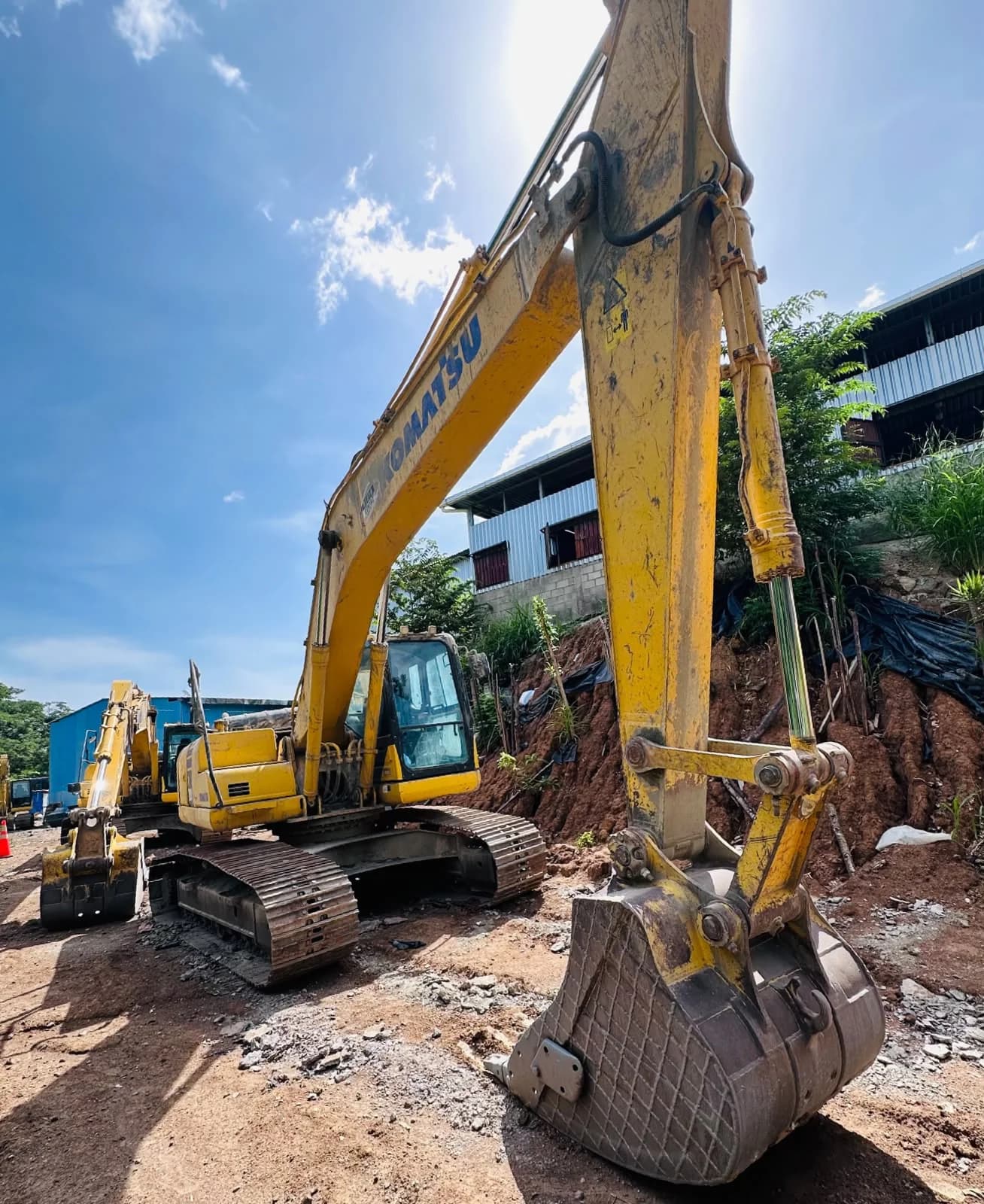
Divide the hour-meter hours by the years since the machine was built. The result tells you how intense its life was. Two units published on Constru Usados in October 2026 show it well: a 2023 Komatsu PC200-10M0 excavator with 5,592.6 hours worked about 1,860 hours a year; a 2016 Link-Belt 290X2 excavator with 4,461.1 hours, about 450 a year. The newer one has more hours; the older one spent more time parked.
Neither reading is good or bad on its own. Many hours a year usually come from fleets that work every day with scheduled service. Few hours a year on an old machine call for checking what deteriorates with time rather than use: dried-out seals and hoses, batteries, corrosion and stale fuel in the tank.
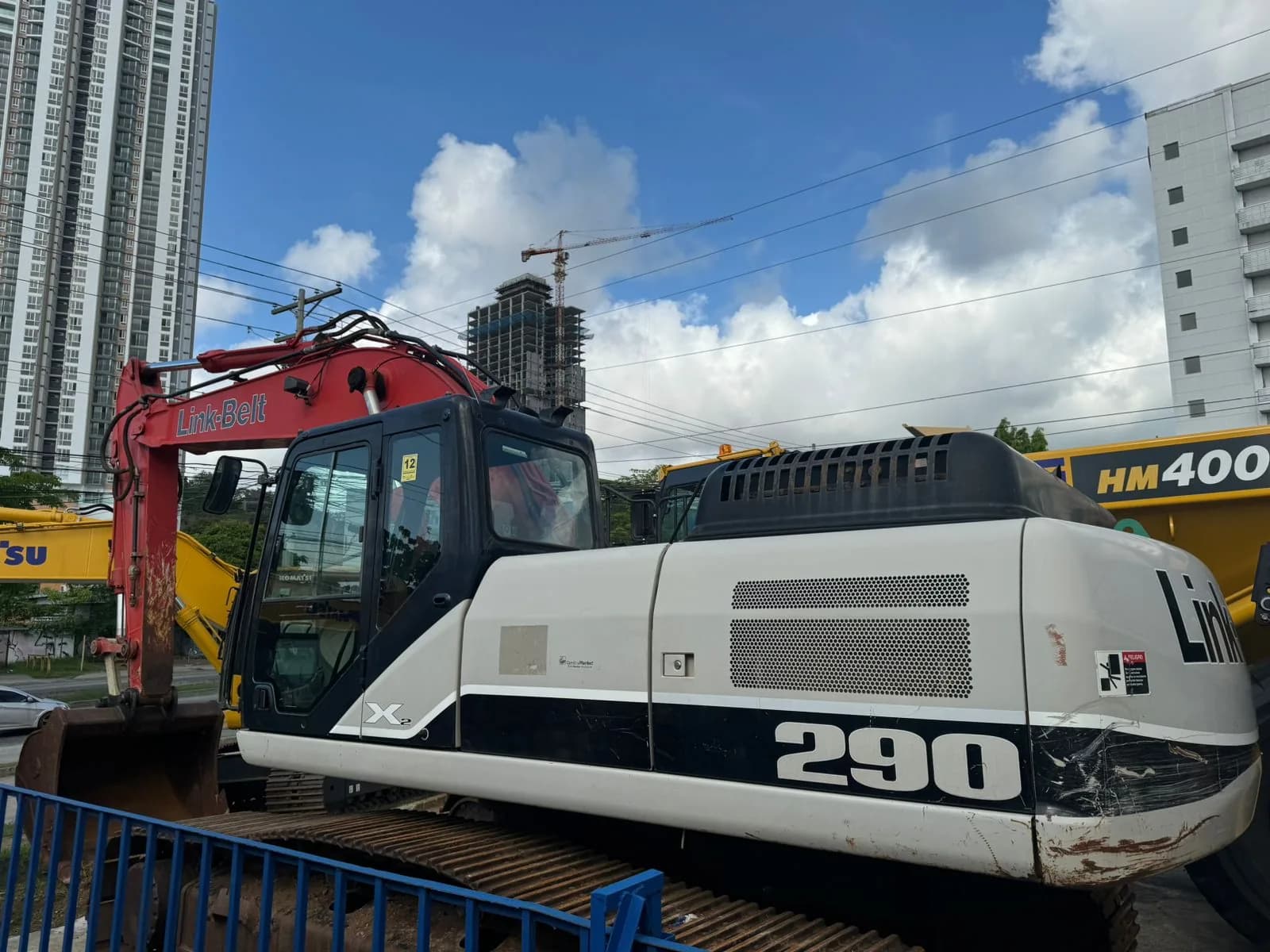
- Komatsu PC200-10M0 (2023): 1,864 h/año
- Link-Belt 290X2 (2016): 446 h/año
- Calculation: hour meter ÷ years to 2026, units published on Constru Usados (Oct 2026)
Condition weighs more than hours
What really defines a used machine's value is how much life its major components have left and what it would cost to replace them. Each wears at its own pace, depending on the work and the maintenance, and not all at once. Ask about each one: is it original or has it been repaired or rebuilt? When, and with what paperwork?
- Engine: the most expensive component; a rebuilt engine with invoice and date changes how you read the hours.
- Hydraulic system: pumps, swing and travel motors, cylinders.
- Transmission and final drives, on wheeled and tracked machines.
- Undercarriage or tracks: on a tracked machine it's one of the biggest items; its wear is measured, not worked out from hours.
- Structure: boom, arm and frame free of cracks or poor repairs.
History gives the hours their value
Credible hours are the ones that match a history: services with dates and hour-meter readings, filter and oil changes, repairs with invoices. If services follow the manufacturer's interval, the hours tell a story of care; if there are long gaps, they tell another.
On a Komatsu with KOMTRAX, the telematics history adds what paper doesn't: real hours, idle time, hours per operating mode (for example, in hammer mode) and alerts. Ask for it before negotiating. On Bobcat, Machine IQ keeps hours and maintenance records.
What it worked on: same hours, different wear
A thousand hours don't wear the same everywhere. Quarries, rock, hydraulic hammers, salty air or water and mud speed up wear on pins, undercarriage, structure and seals. Loading loose material, urban work or yard work is gentler. A rental-fleet machine usually has many hours, but with scheduled maintenance and several operators; a single-owner machine usually has one regular operator and steadier use.
Always ask what the machine worked on and ask for photos or a site visit. If it logged many hours in hammer mode, check the structure and pins more carefully.
Check that the hours are real
An hour meter can be replaced after a failure, and that's normal if it's documented. What isn't normal is hours that don't match anything. Compare the reading with the service history and, if available, with telematics. If the wear on pedals, seat, steps, pins and undercarriage looks like many more hours, ask for an explanation before going further.
What do the hours tell you?
- Many per year, full history → Intense but cared-for use
- Few per year, old machine → Check seals, hoses, batteries
- Don't match the wear → Ask for an explanation and papers
- Major component rebuilt → Value it with its invoice
If you're selling or trading in yours
What you look for as a buyer is what you need to show as a seller. Gather the hour-meter reading with a photo, the dated service history, invoices for major repairs and, if it's a Komatsu, the KOMTRAX report. A machine with organized paperwork is valued better and faster. At Grupo ConstruMarket you can offer it for sale on Constru Usados or hand it over as part of the payment for a new one with the trade-in plan; its value comes from a technical inspection of the unit.
How it works at Constru Usados
Constru Usados units are inspected and published with their hour meter, their year when known and their condition, and are sold as is. If you want repairs or maintenance before delivery, they're quoted separately and reviewed with you before closing. You can inspect the unit at the yard before buying. The inventory rotates; each unit's listing says which country it's in.
Summary: what to choose
| If… | Then… |
|---|---|
| You're only given the hours | Divide by the years and ask for history |
| Many hours with up-to-date service | Can be a good buy; check components |
| Few hours on an old machine | Check seals, hoses and batteries |
| It's a Komatsu with KOMTRAX | Ask for real hours, idling and hammer mode |
| Hours don't match the wear | Ask for an explanation before negotiating |
| You're selling yours | Gather hour meter, history and invoices |
Get a quote without leaving
Want to work it out with an advisor?
Topic: Used machinery
Which country is your project in?
Common mistakes
Buying on the lowest number
Few hours without history can hide years of neglect.
Ruling out for high hours
With up-to-date service and checked components, it can be the best option.
Ignoring the type of work
A thousand hours in a quarry aren't a thousand hours in a yard.
Not asking for telematics
If the machine has it, it's the hardest history to fake.
Confusing inspection with warranty
An inspected used unit is sold as is; repairs are quoted separately.
Frequently asked questions
How many hours is a lot for a used excavator?
There's no single figure: it depends on hours per year, maintenance and the work it did. A machine with many hours and up-to-date service can be in better shape than one with few hours and no history.
How do I know the hour meter is real?
Compare it with the service history and telematics if available, and with the wear on pedals, seat, pins and undercarriage. A replaced hour meter must be documented.
What's worth more: low hours or good maintenance?
Documented maintenance. Hours say how much the machine worked; the history and the condition of the major components say how much it has left.
Do ConstruMarket's used machines come with a warranty?
No. They're inspected and sold as is. Repairs or maintenance before delivery are quoted separately and reviewed with you.
Can I trade in my machine as part of the payment?
Yes, with the trade-in plan: your used machine is taken as part of the payment for a new one and its value comes from a technical inspection.
Ready for the next step?
See inspected used units