
Guides & resources
Knowledge to decide better
Straight-to-the-point practical guides from the region's leading machinery group — so you buy and operate with judgment.
Machinery glossary: the terms explainedRetro, payloader, patrol: what each machine is calledWhat's the problem?
Type it the way you'd say it on site or in the shop. We'll take you to the guide and the exact part that solves it.
Most asked
Learning paths
Not sure where to start? Guides in order, with your progress saved in this browser and a three-question quiz at the end.
- Look after your machineThe pre-start inspection, greasing, hour-based maintenance, filters and wear parts, and the operator's rules: five guides, in the order they happen on site.
- 1. Daily inspection
- 2. Greasing
- 3. Preventive maintenance
- 4. Filters and wear
- 5. Safe operation
- Choose your machineExcavator, mini or backhoe, skid steer and its attachments, and wheel loader: how each one is chosen by the job, and how to compare them by cost per hour.
- 1. Machine types
- 2. Read the datasheet
- 3. Excavator
- 4. Mini or backhoe
- 5. Skid steer
- 6. Attachments
- 7. Wheel loader
- 8. Cost per hour
- Buy smartRent or buy, how to finance, what drives the price, what to check on a used unit and how to read its hours: what's worth knowing before you sign.
- 1. Rent or buy
- 2. Financing
- 3. Leasing
- 4. Price
- 5. Brand and dealer
- 6. Used
- 7. Plate and serial
- 8. Hours
- Material handlingPallet truck, electric or combustion forklift, what it costs to run, when a skid steer and when a telehandler: for moving pallets and loads in warehouse, yard and site.
- 1. Pallet truck
- 2. Which forklift
- 3. Running cost
- 4. Forklift or skid steer
- 5. Telehandler
- EarthmovingWhich machine goes on each task, when a bulldozer, how many m³ per hour the excavator moves, how a trench is protected, articulated hauler or dump truck, the motor grader and the compactor: earthworks end to end.
- 1. Each machine, its task
- 2. Bulldozer
- 3. m³ per hour
- 4. Safe trenches
- 5. Hauling
- 6. Motor grader
- 7. Compaction
- Become an operatorWhat each machine does, how an operator is trained and where to study, and the three routines expected from day one: daily inspection, greasing and safe operation.
- 1. Machine types
- 2. Training
- 3. What the law requires
- 4. Controls
- 5. Daily inspection
- 6. Greasing
- 7. Safe operation
Heavy machinery

How to choose an excavator (and what size you need)
Size by the job you repeat, depth against your drawings, tracks or wheels, and backing in your country: the guide with real data from 1 to 118 t.
How do you calculate a machine's cost per hour?
Owning plus operating, divided by hours worked: the step-by-step method, with a worked illustrative example and why the cheaper machine can cost more.

How to choose the right excavator bucket
A 1 m³ bucket almost never carries 1 m³. Type, density, fill factor, penetration and teeth: how it is really specified.
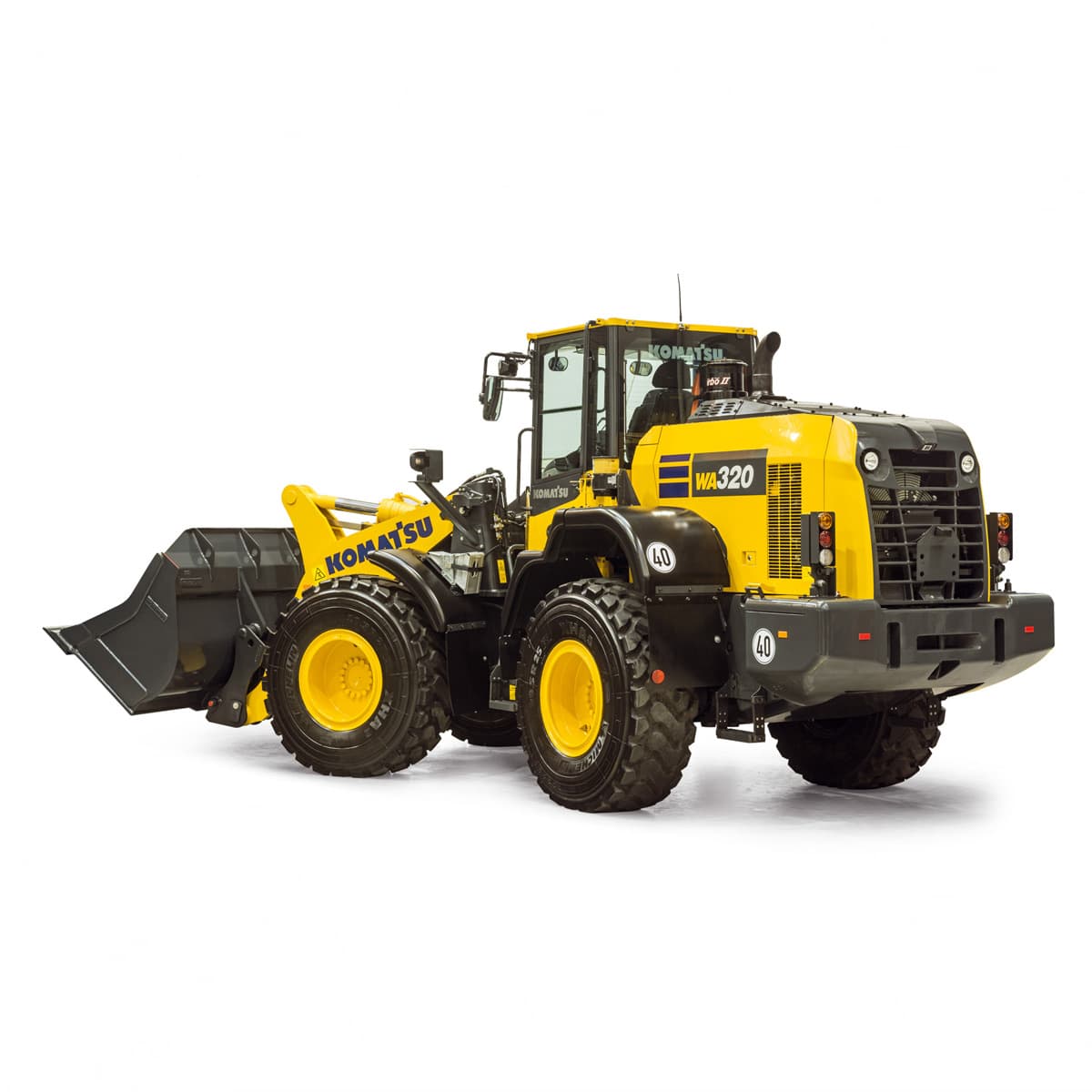
How to choose a wheel loader and what drives its price
Truck or hopper, dump height, haul distance and configuration: how to choose between WA150 and WA500, and what moves the price.

What is a motor grader and how do you choose the right one?
What it does, how to choose by the job, blade width, tyres and 3D guidance: from the municipal GD535-5 to the mining GD705-5.
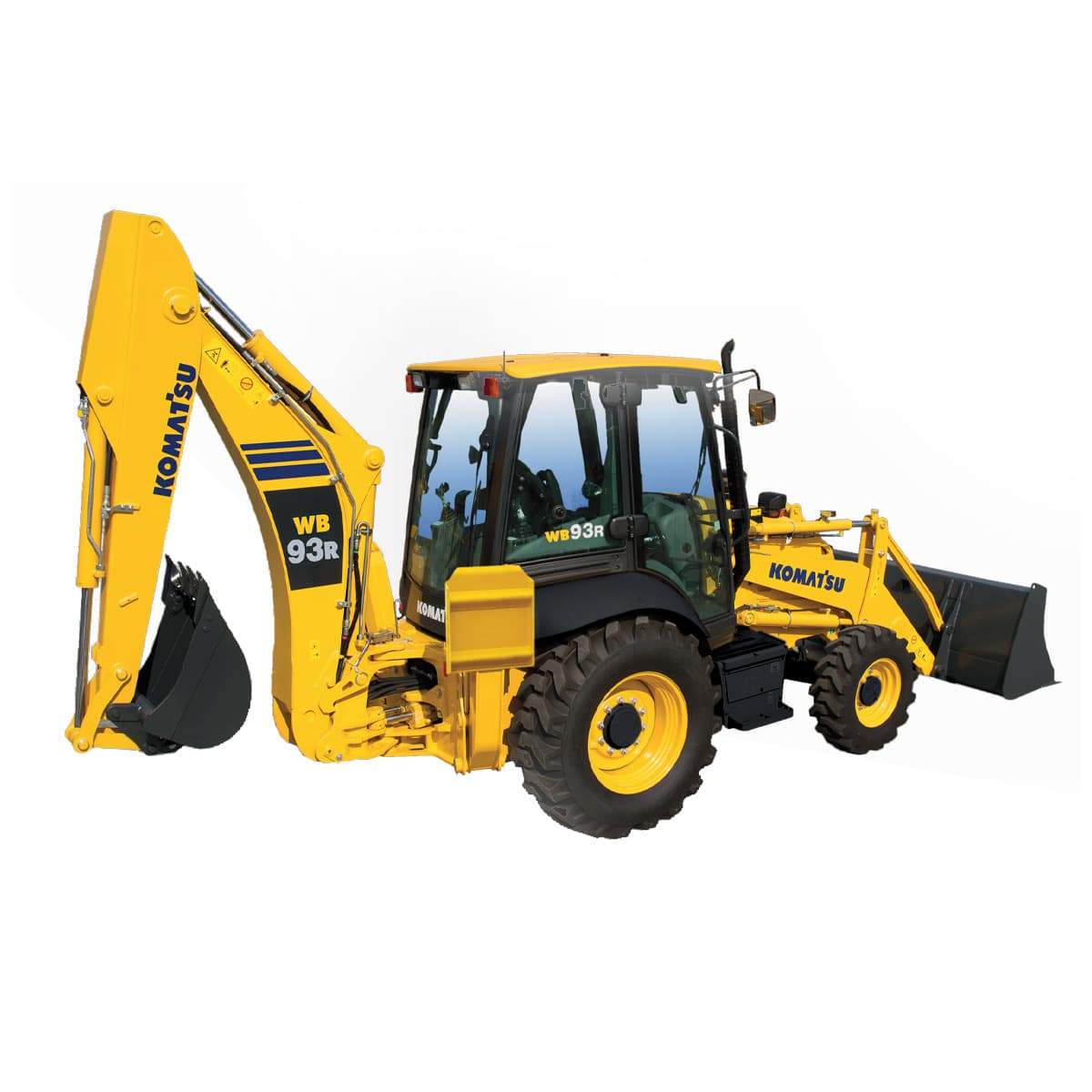
How do you choose a backhoe loader for your jobsite?
Trench depth, front bucket, hydraulic flow and backing: what to check so the backhoe does the work of two machines.
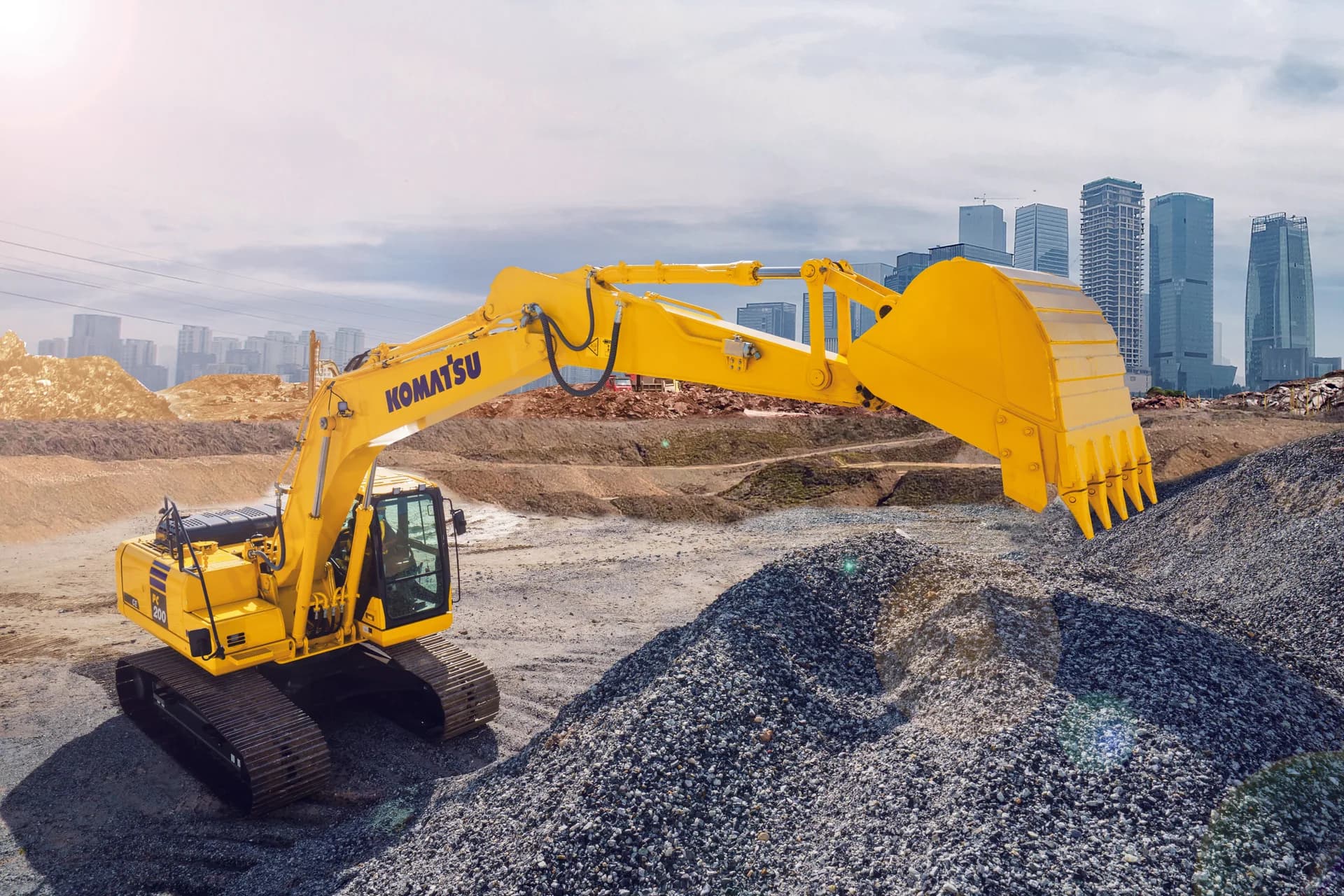
Heavy machinery for earthmoving: which machine for each task?
Dozer, excavator, wheel loader, truck, motor grader and roller: what each one does, when it fits and how to build the fleet around the bottleneck.

When does a bulldozer make sense?
Pushing, clearing, opening access, ripping and working on slopes: when the dozer wins, when it doesn't, and which blade and size to choose.
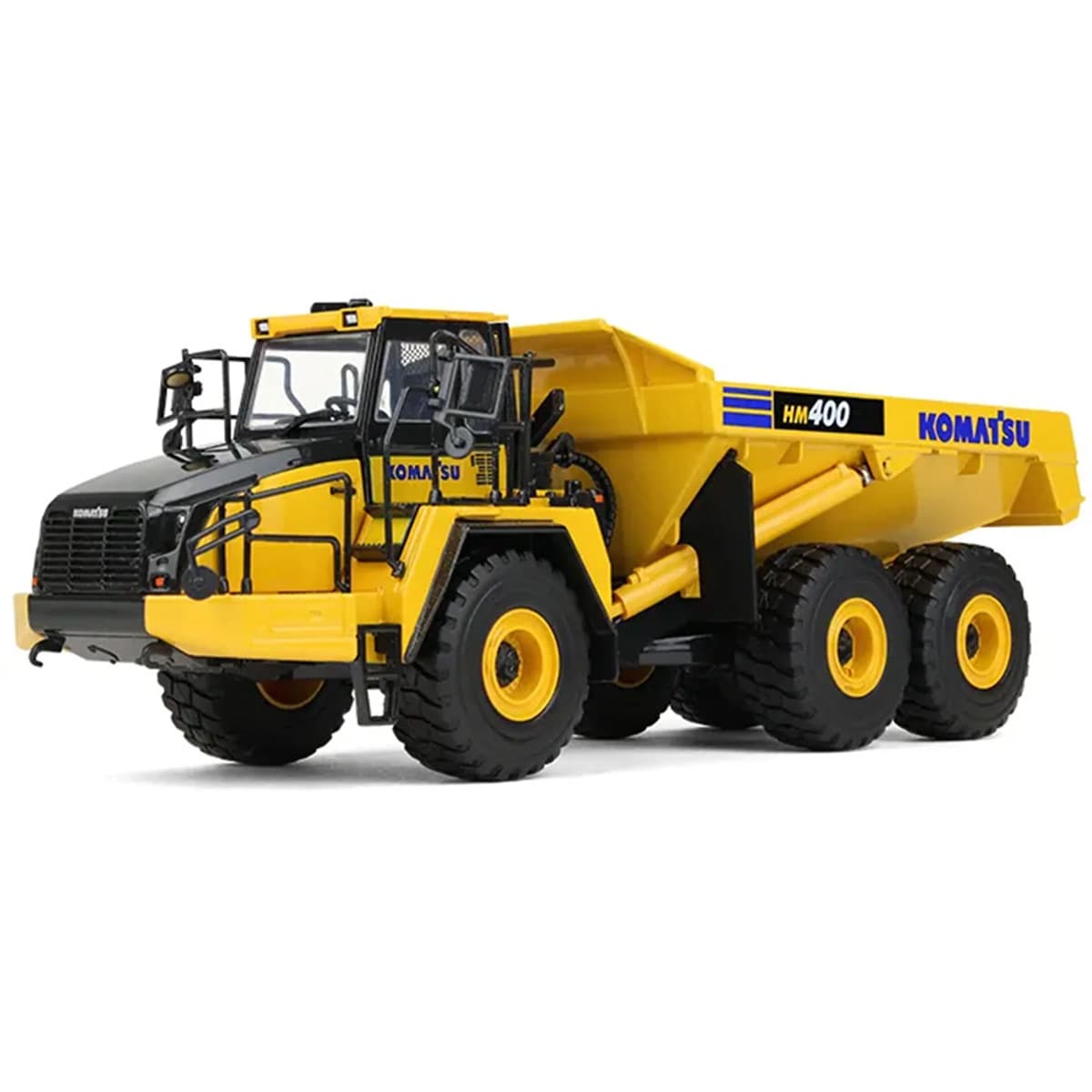
Articulated hauler or dump truck: which one fits?
If material goes out on public roads, a dump truck; if it stays on site with mud and grades, an articulated hauler; firm road and big volume, a rigid truck.

How is heavy machinery transported?
Lowboy, flatbed, trailer or under its own power: how to choose by weight and height, prepare and tie down the machine, and what permits and coordination the move needs.

Mini excavator or backhoe loader: which one is right for you?
Space, 360° swing, truck loading, travel between sites and real digging depth: how to decide between a mini and a backhoe with catalog data.

How many cubic meters per hour does an excavator move? How to calculate productivity
Bucket × fill factor × cycles per hour × efficiency: the step-by-step method, with a worked example and how to go from loose to bank cubic meters.
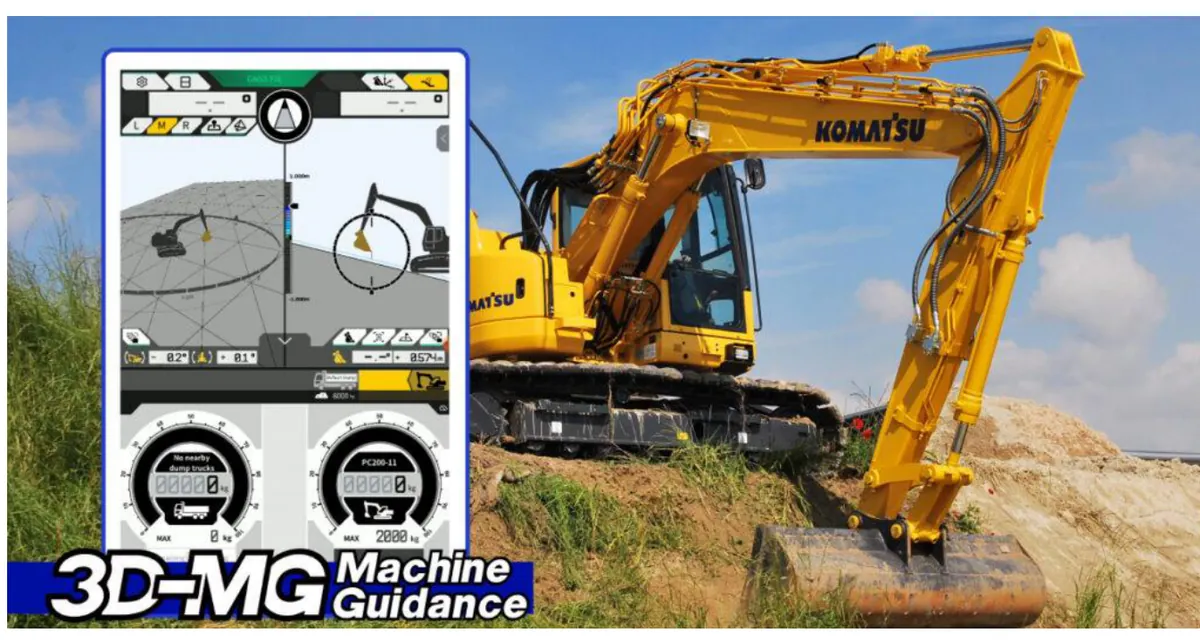
What is 3D machine guidance and when does it pay for itself?
Guidance or automatic control, GPS with a base station or LPS, what each machine carries, retrofit, and the criteria to know whether it pays on your job.
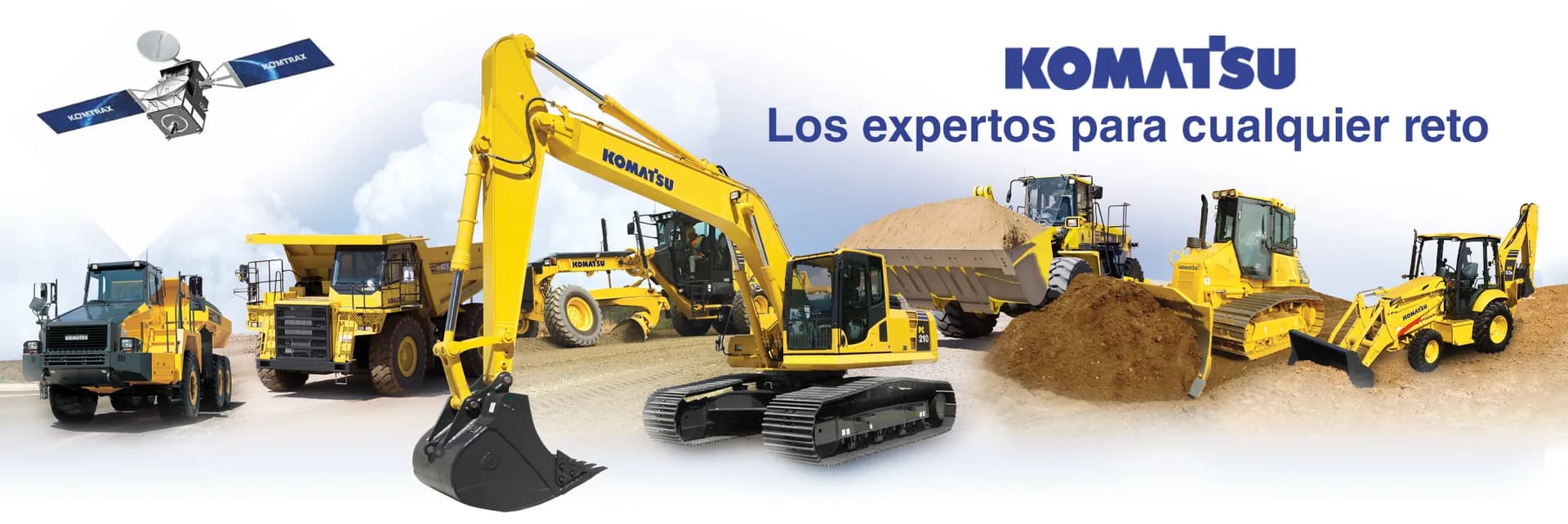
What types of heavy machinery are there and what is each one for?
Excavator, backhoe, loader, skid steer, dozer, motor grader, roller, truck and telehandler: what each machine does, which job it's for and how to choose yours.
How much does an excavator weigh? Heavy machinery weights, model by model
A 20-tonne-class excavator weighs about 20 t ready to work; a mini excavator, 1 to 8 t; a skid steer, 1.3 to 5.8 t. Real operating weights of excavators, backhoes, loaders, dozers and motor graders, and why they matter for hauling them.

Trench sloping and shoring: from what depth to protect and which angle to use
OSHA's rule, the most widely used public reference: from 1.52 m deep every trench with people inside needs a slope, shoring or a shield. How to classify soil as A, B or C, the slope for each and how much extra earth it moves.

What is a self-loading concrete mixer, and when is it better than a drum mixer or ready-mix?
A self-loading mixer loads the aggregates with its own bucket, mixes, drives and discharges the concrete at the work front. What it is, how it works, how much each D'Avino yields per its datasheet and when it beats the site drum mixer and the ready-mix truck.
How do you avoid earthworks rework and get grade right on the first pass?
Where rework comes from, what staking and rework passes cost, what you can fix without technology and when GPS on an excavator, dozer or motor grader makes sense.
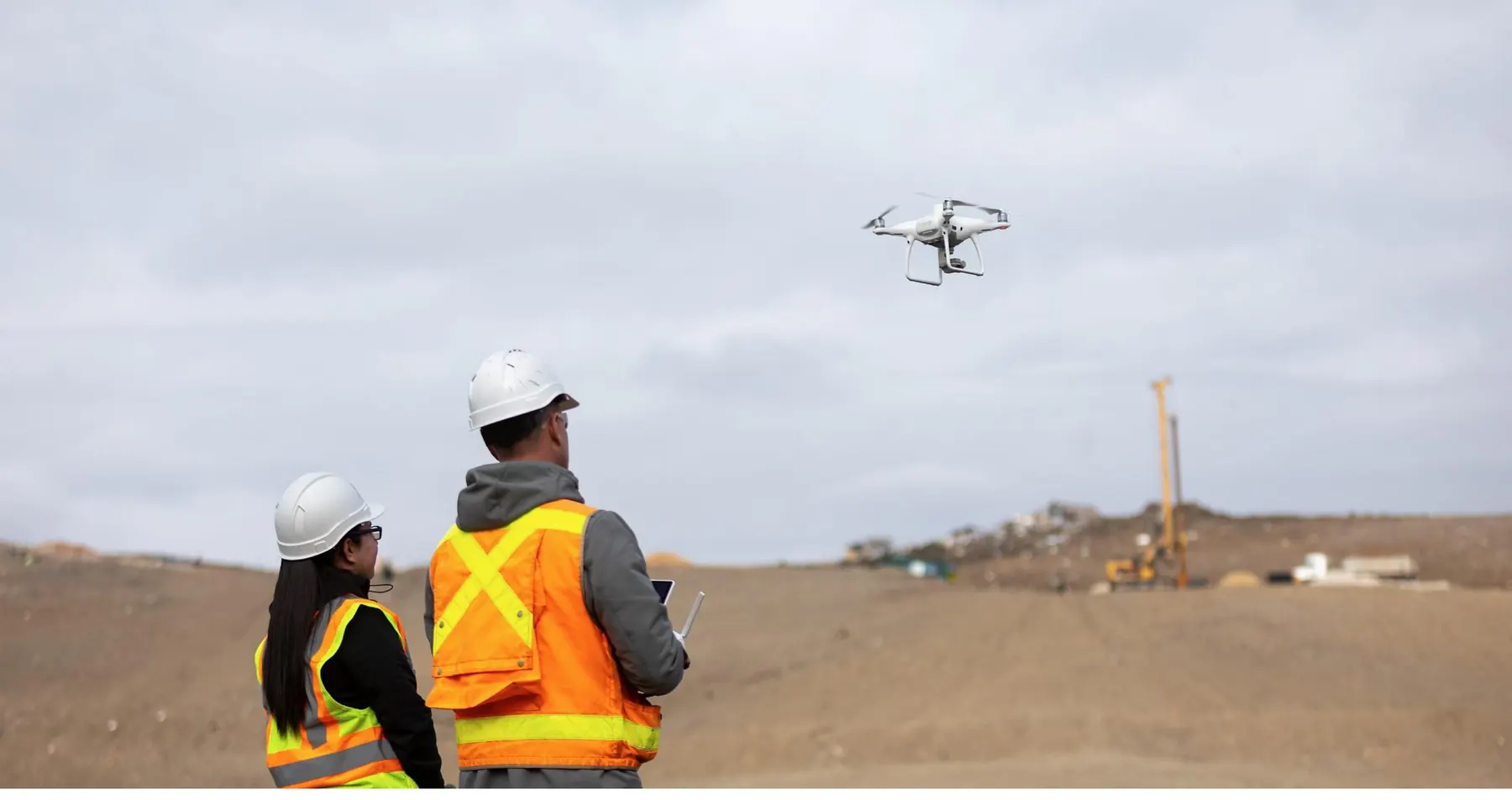
How do you calculate cut and fill volumes with a drone?
Cross-sections versus a drone flight, bank, loose and compacted m³, what affects accuracy and how to go from the flight to the payment certificate.
Buying decision
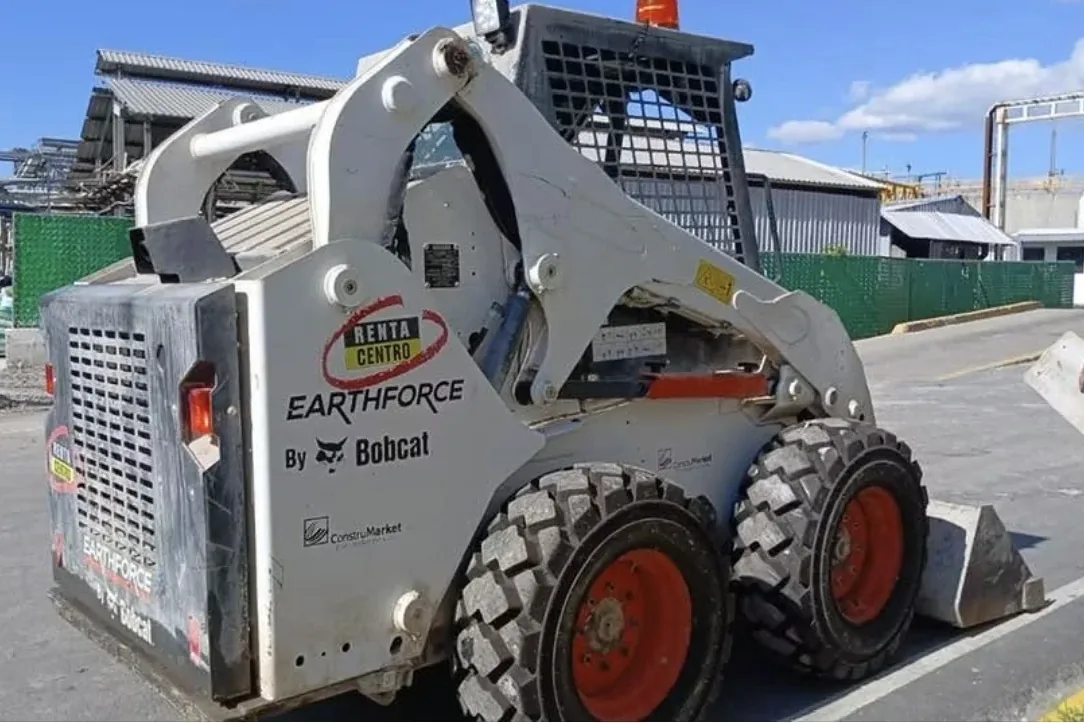
Rent or buy machinery? How to decide with numbers
Utilization, break-even, cash flow and resale value: the method to decide whether renting or buying a machine makes sense.
How much does heavy machinery cost? What the price depends on
Model, configuration, attachments, new or used, payment method and what the quote includes: how to compare machinery prices without getting it wrong.
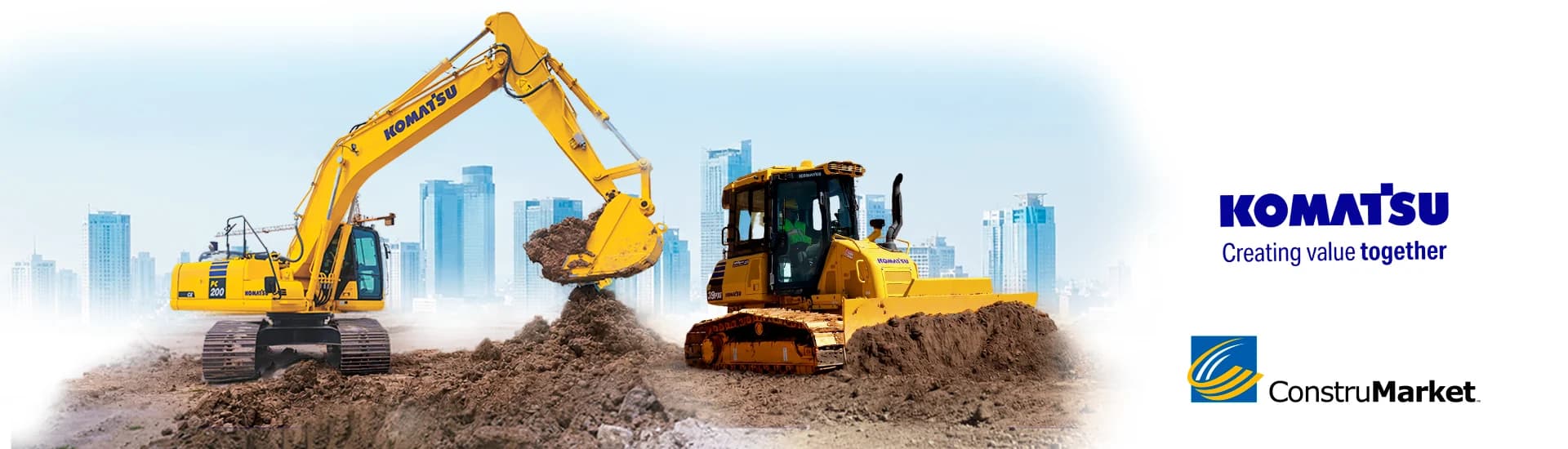
Excavator brands in Guatemala and Central America: how do you compare them?
Which excavator, backhoe, motor grader and wheel loader brands are in Guatemala and how to choose: parts in the country, a workshop near your job, warranty honored here and resale. The scorecard to decide with data, not brochures.
How do you read a machine's datasheet? Power, weight, capacity and force
Net and gross power, operating weight, heaped bucket, rated operating capacity, tipping load and digging force: what each number on a machinery datasheet means, with real examples from Komatsu and Bobcat datasheets, and the mistakes that lead to bad comparisons.
After-sales
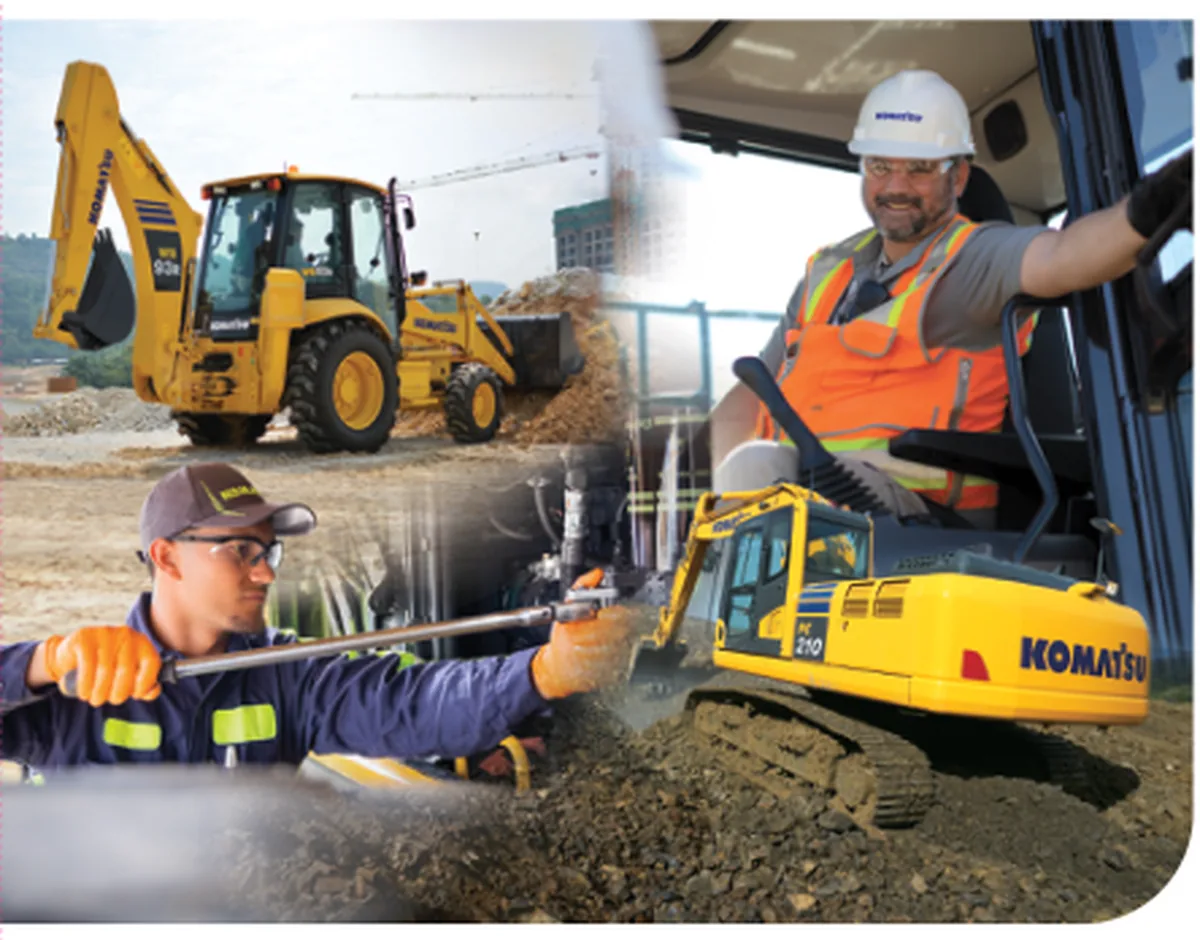
Preventive maintenance for heavy machinery: how often, and what does it include?
Hour-based intervals, daily checklist, genuine filters and lubricants, telematics and service contracts: how to build a plan that prevents breakdowns.
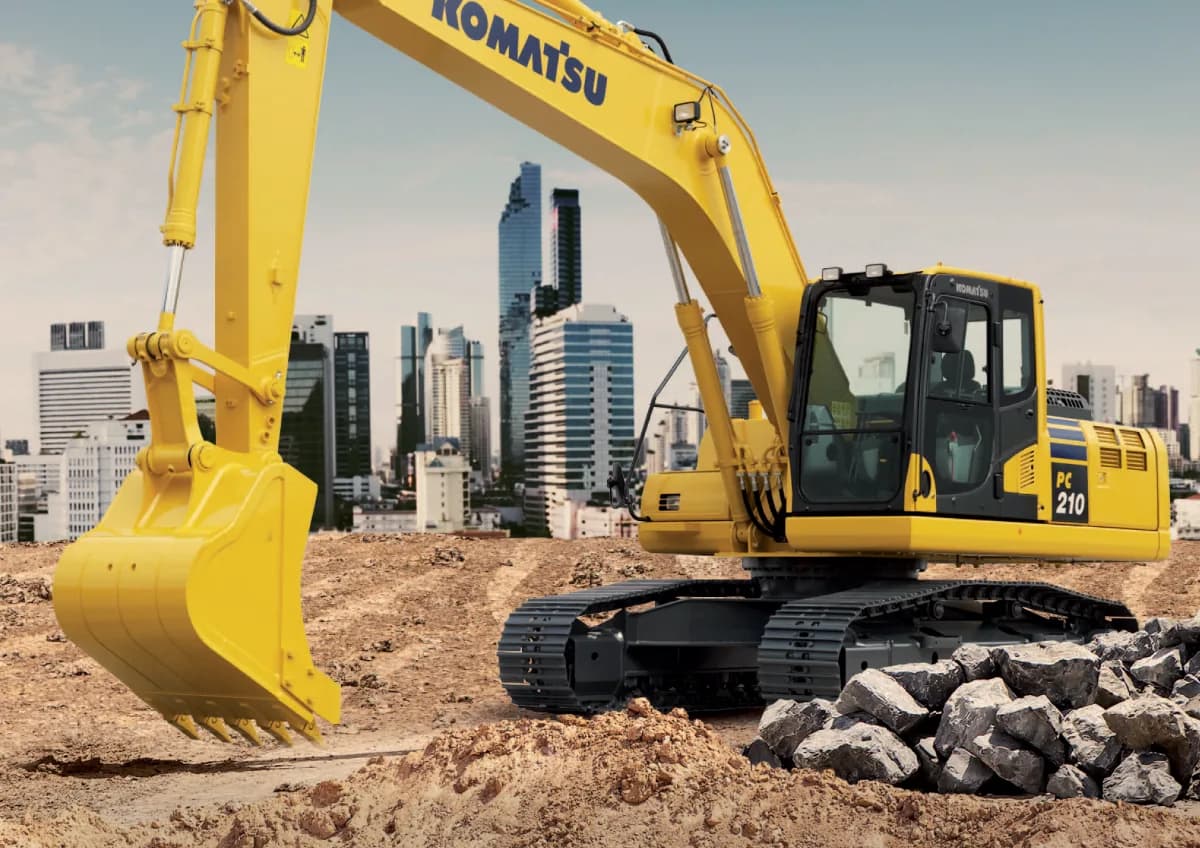
How often should you replace a machine's filters and wear parts?
Filters by the hour per the manual; teeth and edges by measured wear. The warning signs, what they damage if ignored and how to order the right part.
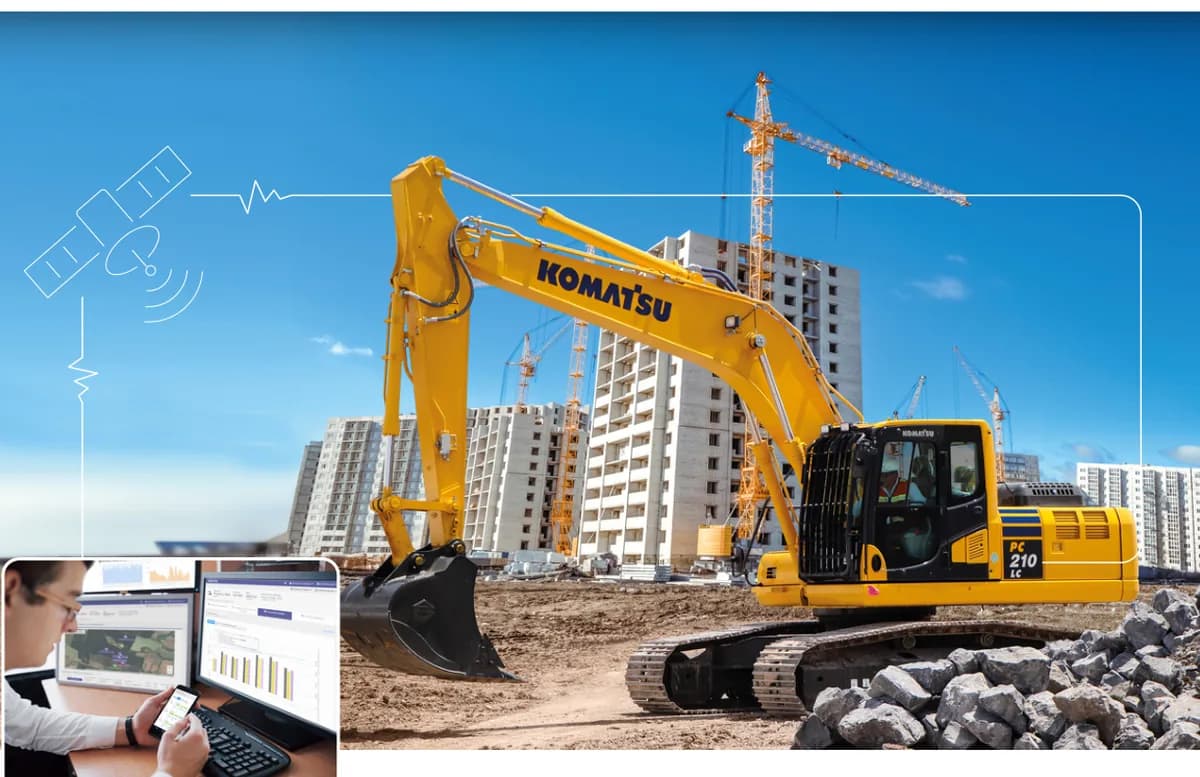
What is KOMTRAX and what does it tell you about your Komatsu machine?
Location, real hours, fuel, alerts and maintenance of your Komatsu on your phone: what KOMTRAX measures and how to use that data.
Genuine or aftermarket parts: which makes sense and what to check?
Genuine, aftermarket, remanufactured or used: where not to save, what the warranty requires and what to check before buying a part for your machine.

How much fuel does your machine burn, and how do you measure it?
There's no fixed number per model: it depends on the job, the mode, idling and the operator. How to measure your real fuel use per hour and cut it.

Daily inspection before operating a machine: the complete checklist
What to check in each zone of the machine before starting, in what order, how to log it and what to do with each finding: stop, report or carry on.

Greasing heavy equipment: how to do it right every day
Why greasing is the care that protects your machine the most, how to do it step by step and safely, and the mistakes that end in new pins, bushings and seals.
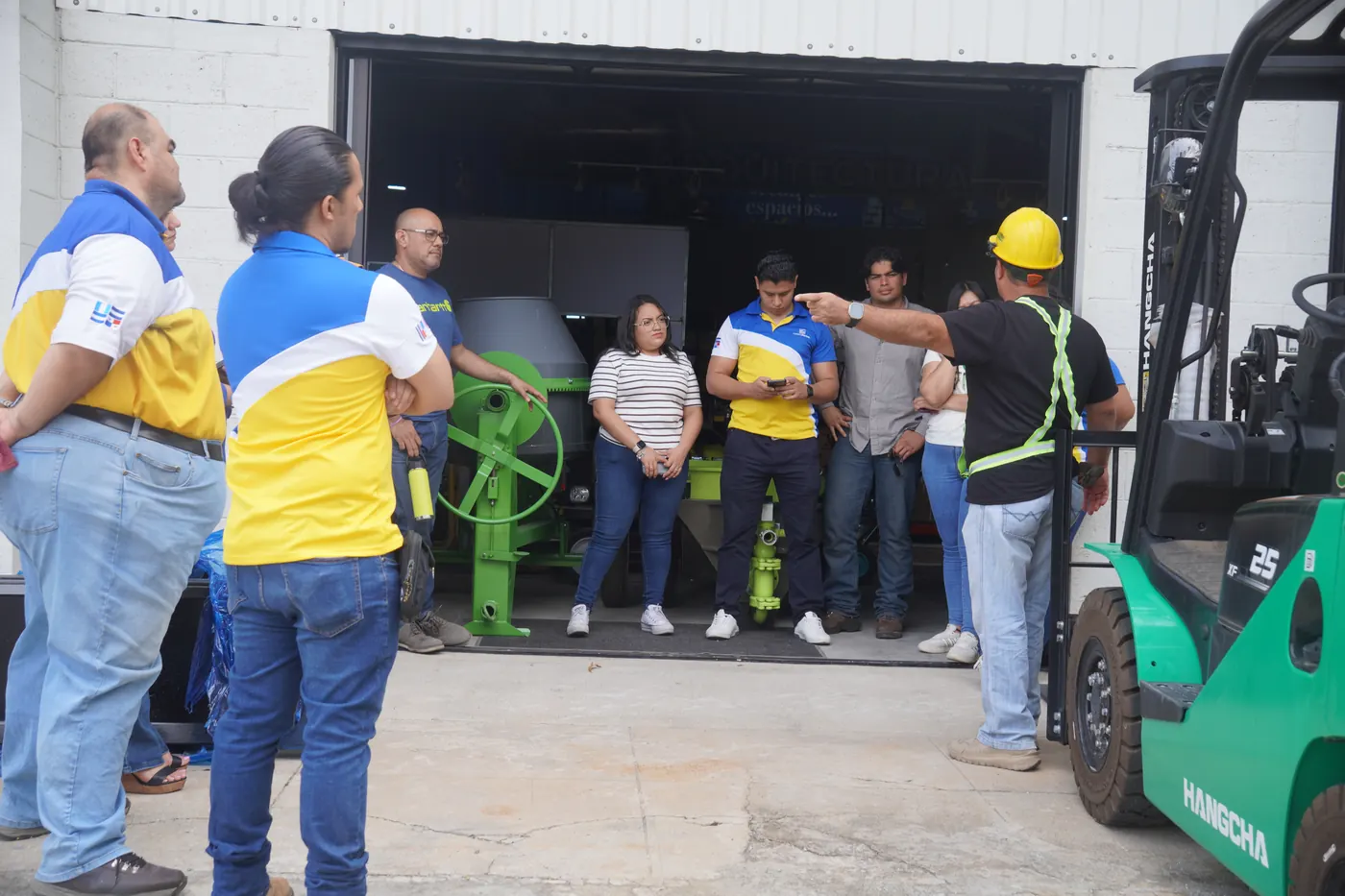
Safe operation and good use of machinery: the operator's rules
How a machine is prepared, operated and left so it lasts and nobody gets hurt: safe preparation, good use during the shift, shutdown, when NOT to operate and the weekly and monthly review of your fleet.
How do you read your machine's data plate and serial number?
What the identification plate shows, where to look for it, how to read the model and the 17-character PIN, and why the serial number decides the right part, the warranty and a used-machine purchase.
How do you become a heavy equipment operator, and where can you train in Central America?
What an operator learns, how much hands-on practice matters, how to choose a course and where to train in El Salvador, Guatemala, Nicaragua and Panama: Grupo ConstruMarket's APMT Academy and each country's training institutes.
What are the parts of an excavator and what does each one do?
Boom, arm, bucket, cylinders, swing circle, counterweight, sprocket, idler, rollers and shoes: what each part of an excavator is called, what it does, which ones wear and how to order the right part.
New heavy equipment warranty: what it covers, what puts it at risk and when the extended one pays off
How long the standard warranty lasts, what Komatsu Warranty Pro's PTP and EWP plans and Bobcat Protection Plus cover, which conditions you must meet and the questions to ask before signing.
Is your machine acting up? What to check yourself, by symptom, before calling the technician
Won't start, overheats, loses power, slow hydraulics, a strange noise or a warning light: what you can check yourself without tools, when to stop and what details to have ready for the technician.
What are the parts of a backhoe loader and what does each one do?
Loader, tractor and backhoe: the front bucket and its arms, the cab with a swivel seat, the stabilizers, the boom, the dipper, the backhoe bucket and the swing. What each part is called, what it does, which ones wear and how to order the part.

What are the parts of a wheel loader and what does each one do?
Bucket, lift arms, linkage, lift and tilt cylinders, center articulation, cab, engine, transmission, axles and tires: what each part of a wheel loader is called, what it does, which ones wear and how to order the part.

What are the parts of a skid steer loader and what does each one do?
Radial or vertical lift arms, attachment coupler, cylinders, cab with seat bar, engine, hydrostatic drive, chaincases, tires or tracks and auxiliary hydraulics: what each part of a skid steer is called, what it does and how to order the part.
How do excavator, backhoe and skid steer controls work? ISO and SAE patterns
What each joystick and lever moves on an excavator, a backhoe loader and a skid steer; the difference between the ISO and SAE patterns, how to tell which one your machine uses and why safety comes before the first move.
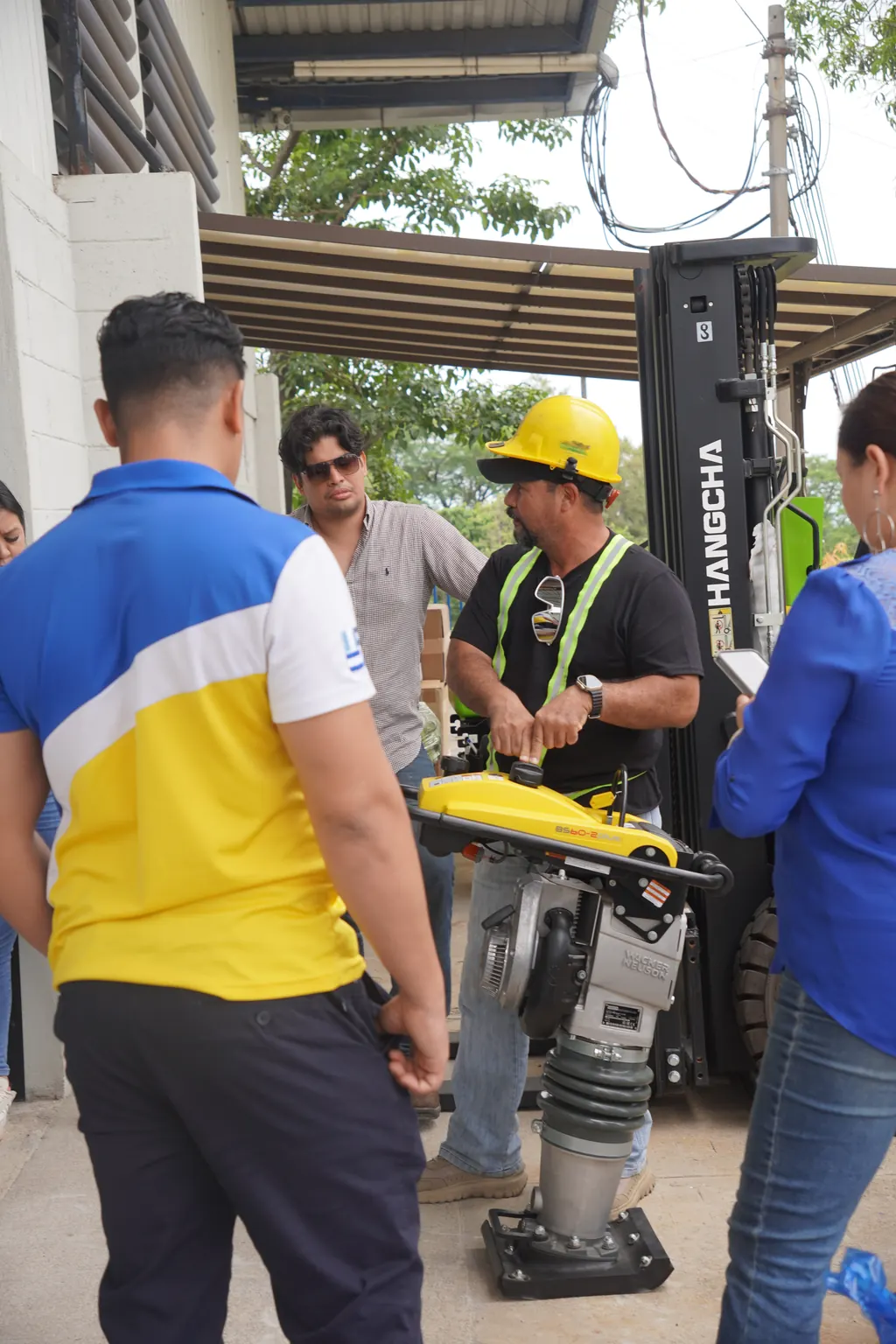
Do you need a license to operate heavy equipment? Country by country
What the workplace-safety and traffic laws of El Salvador, Guatemala, Nicaragua and Panama say about operating heavy equipment: license, training, medical exams, minimum age and who is liable. Every point with its article and a link to the official text.
Mining

Financing
Heavy machinery financing: which loan fits and how to compare offers
Loan, lease or rental: which way of financing heavy machinery fits your usage, how to compare two offers by total cost and what to prepare to apply.
How does heavy machinery leasing work in Central America?
Who buys the machine, what you pay each month, what happens at the end and what to check in the contract. Finance and operating leases, each country's law and how to request one for your excavator or backhoe.
Light machinery
How do you choose a skid steer: radial or vertical, wheels or tracks?
Rated operating capacity, lift path, wheels or tracks, flow and attachments: what to check so the skid steer does your job's work.
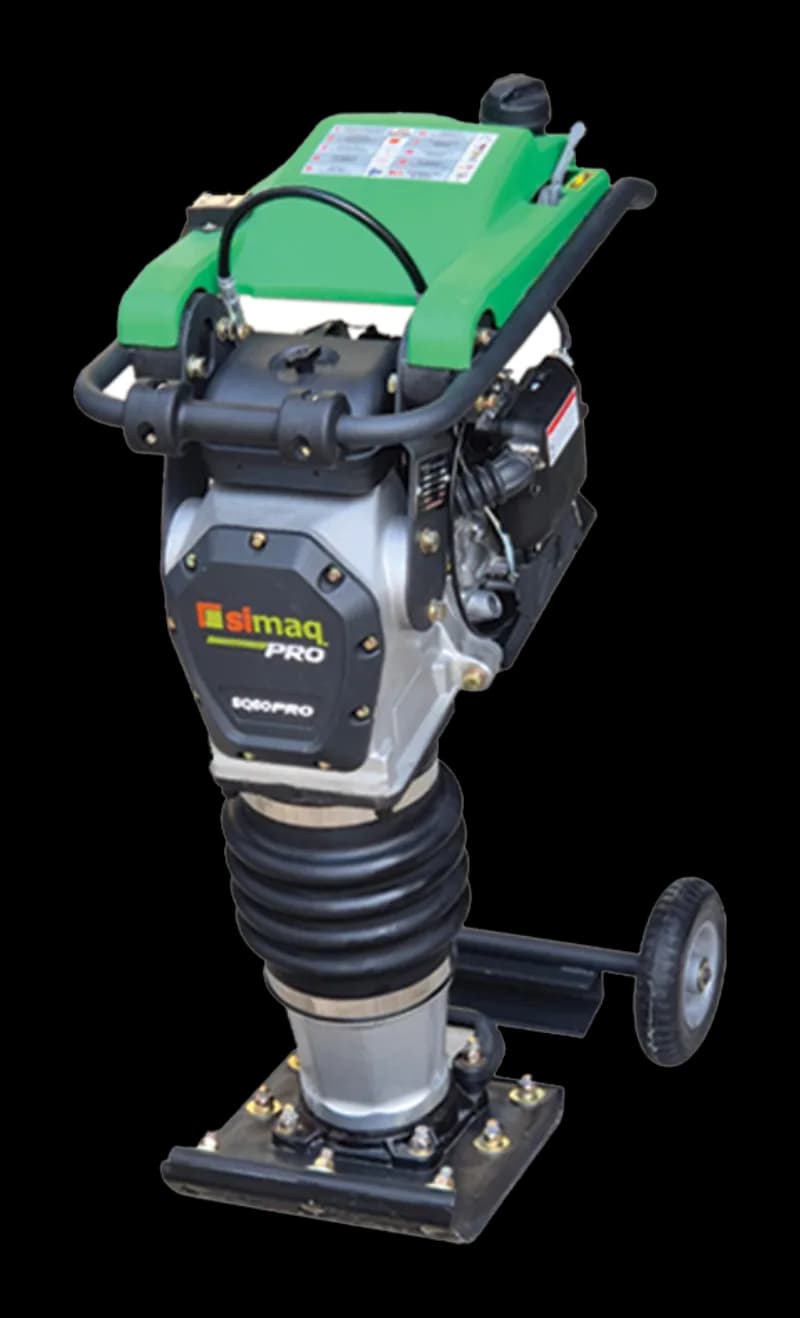
Types of compactor: which one to use for your soil? (rammer, plate or roller)
Clay or sand, trench or yard: how to choose between a rammer, a vibratory plate and a roller, with real SIMAQ, Wacker Neuson and BOMAG examples.
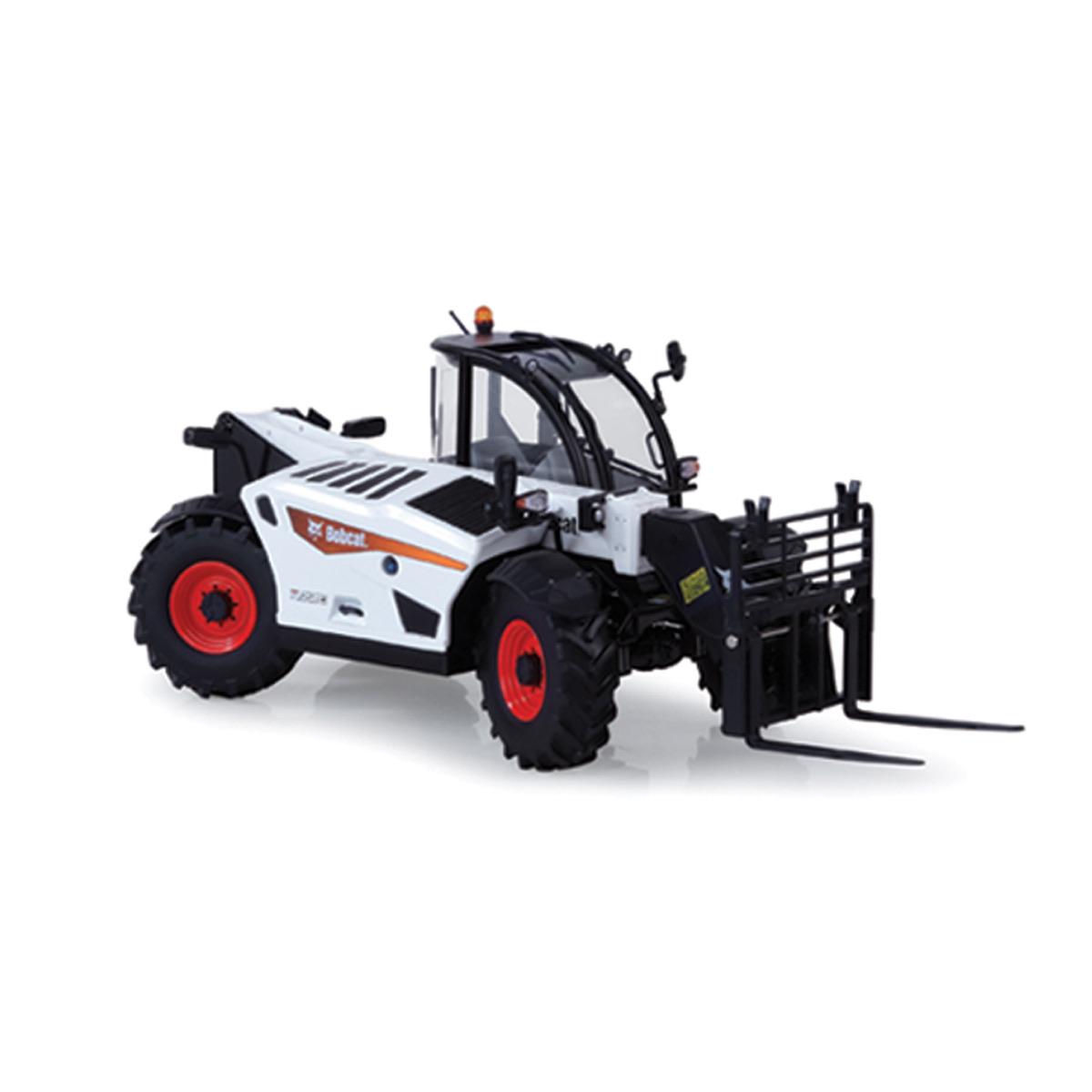
What is a telehandler (telescopic handler) and when does it make sense?
Telescopic boom, load chart and real Bobcat and Hangcha models: when a telehandler beats a forklift, a crane and a loader.
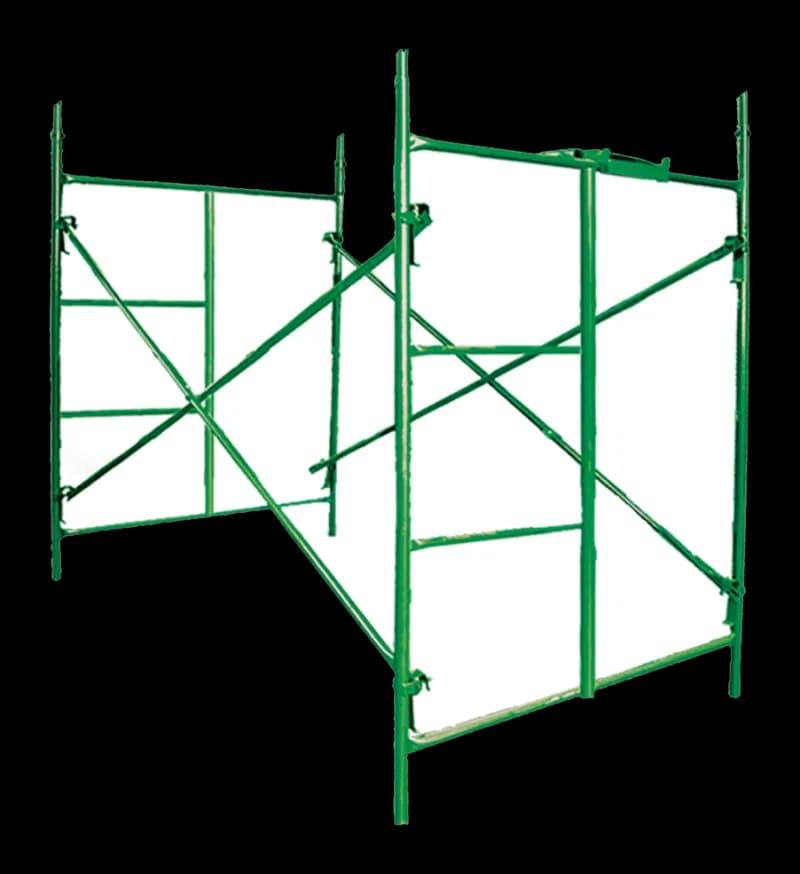
Scaffolding: types and how to work out how many frames you need
Frame, system, mobile or suspended scaffolds, and the step-by-step count: bays by length, levels by height and pieces per level.
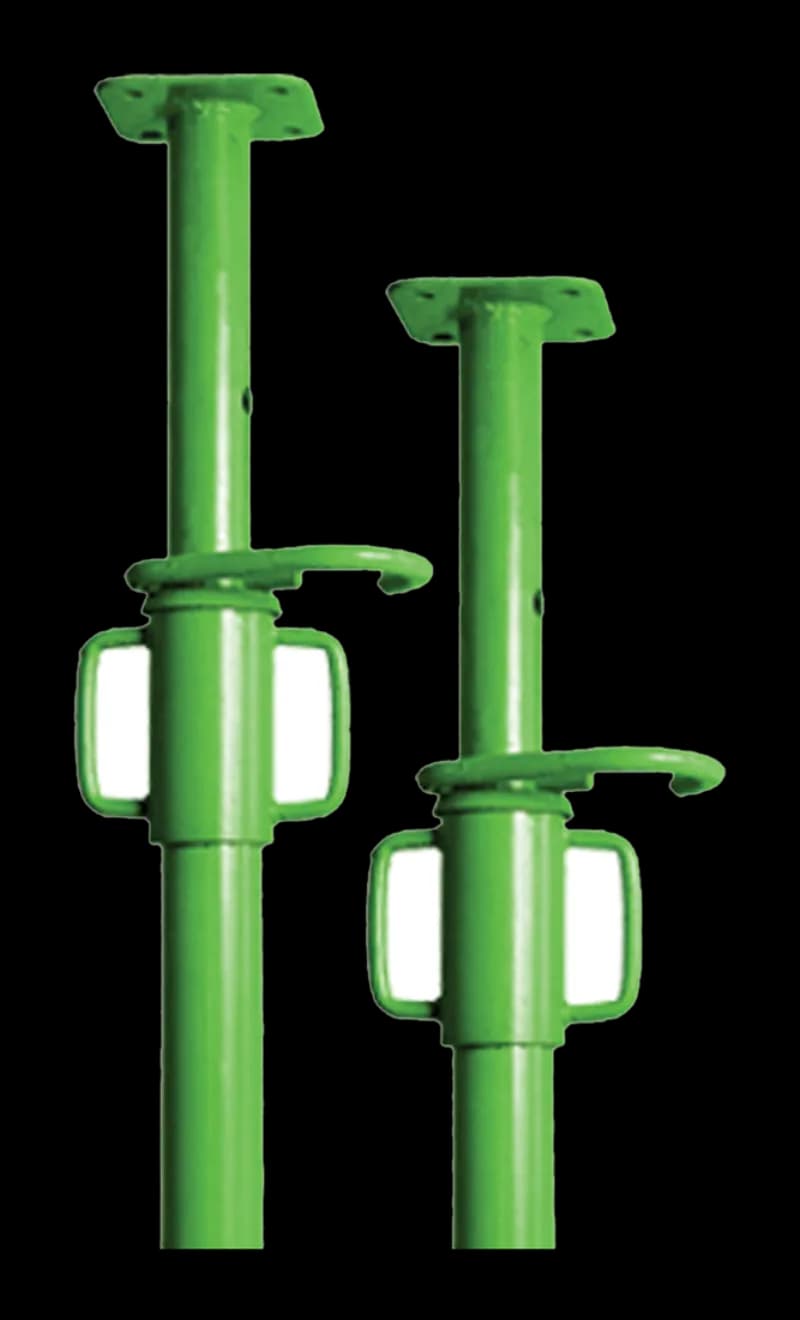
Steel shoring props: types, safe use and how to work out how many
What a shoring prop is, its parts, how to estimate how many a slab needs from the load and the maker's table, and how to use and remove it safely.
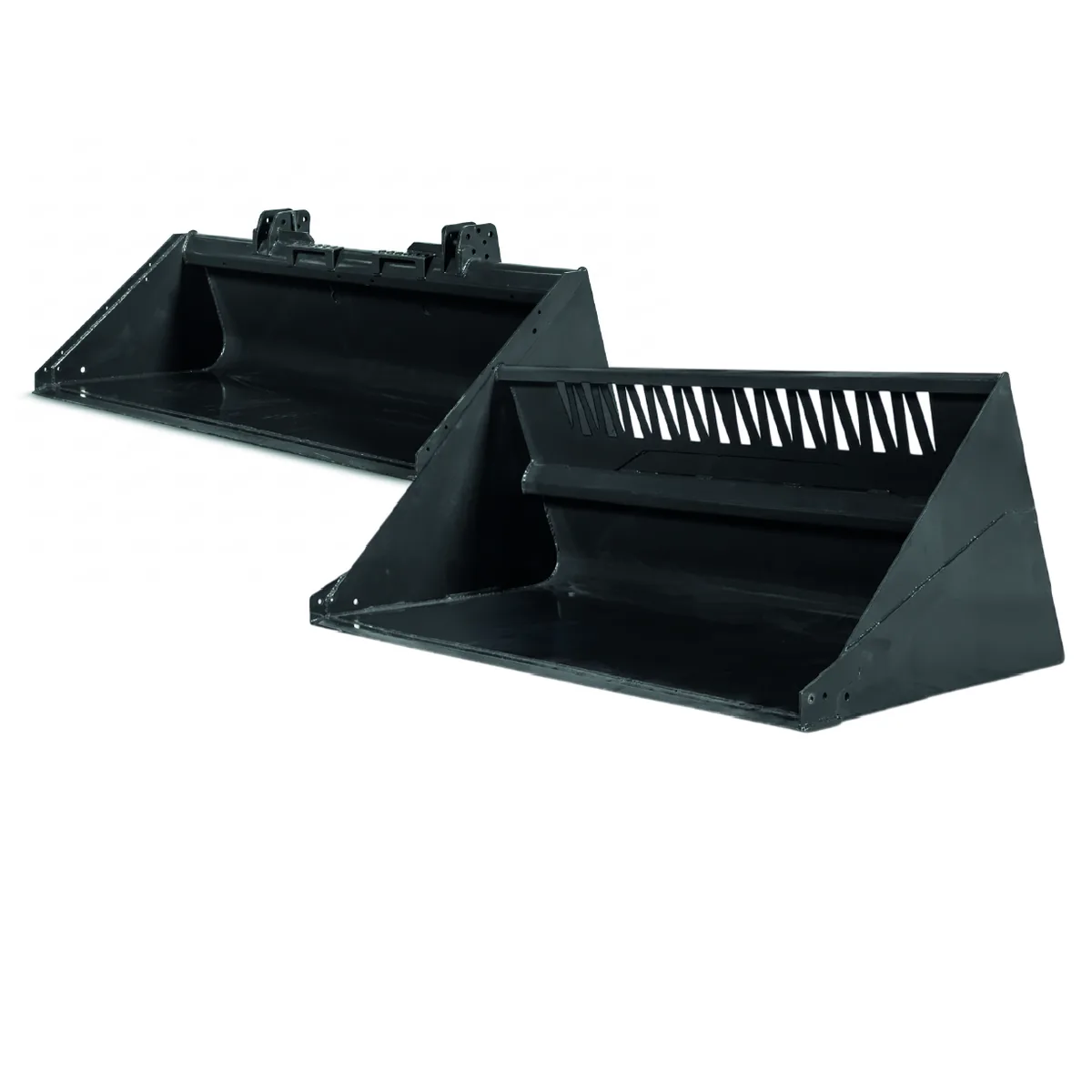
Which skid-steer attachment should you use for each job?
Bucket, forks, breaker, trencher, auger, sweeper or planer: which attachment does each job and how to confirm coupler and flow.

How do you vibrate concrete properly? Why it matters and the step-by-step technique
Why conventional concrete is vibrated, what happens when compaction falls short (voids and honeycombing) and the right technique with an immersion vibrator, with video.
Used equipment

What should you check before buying used machinery?
Hours and history, engine, hydraulics, undercarriage, structure and backing: the checklist that makes a used machine a saving, not a money pit.
How do you value a used machine by its hours?
Hour-meter hours matter, but only in context: hours per year, condition of the major components, service history and type of work.
Power
Material handling

Forklift vs. skid steer: what are the differences and which do you need?
One stacks pallets high on firm floors; the other moves dirt and switches tools. How to choose, and when a telehandler makes sense.
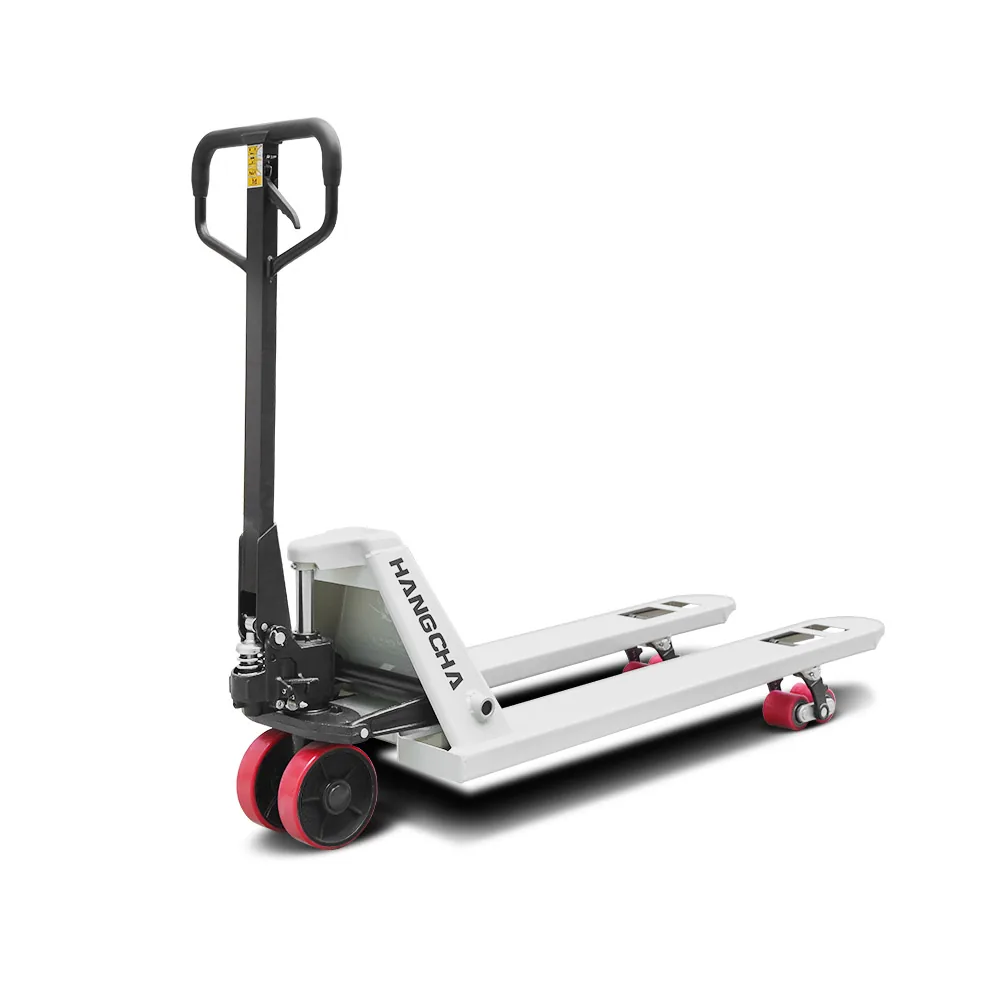
Manual or electric pallet truck: which one suits you?
Distance, trips per hour, weight and ramps decide between a manual pallet jack and an electric pallet truck. Lead-acid or lithium, wheels, pallets and when to step up to a stacker.

Which forklift do I need: diesel, LPG or electric?
Where it works, what floor it runs on, how many shifts and how much it lifts: how to choose between electric, diesel, LPG and rough-terrain forklifts.

Electric vs. combustion forklift: how much does it cost to run?
Energy, battery, maintenance, tires, operator and downtime: what a forklift's operating cost is made of and how to calculate yours per hour.
Road construction
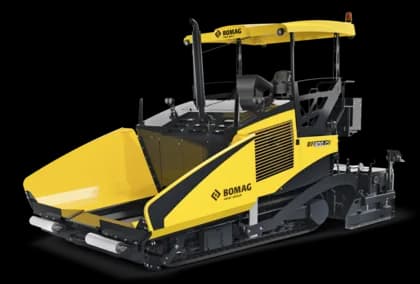
What equipment do you need to build a road? Machines by phase
Earthworks, shaping, compaction, stabilization, paving, rehabilitation and signage: the machine for each phase and how they link up.
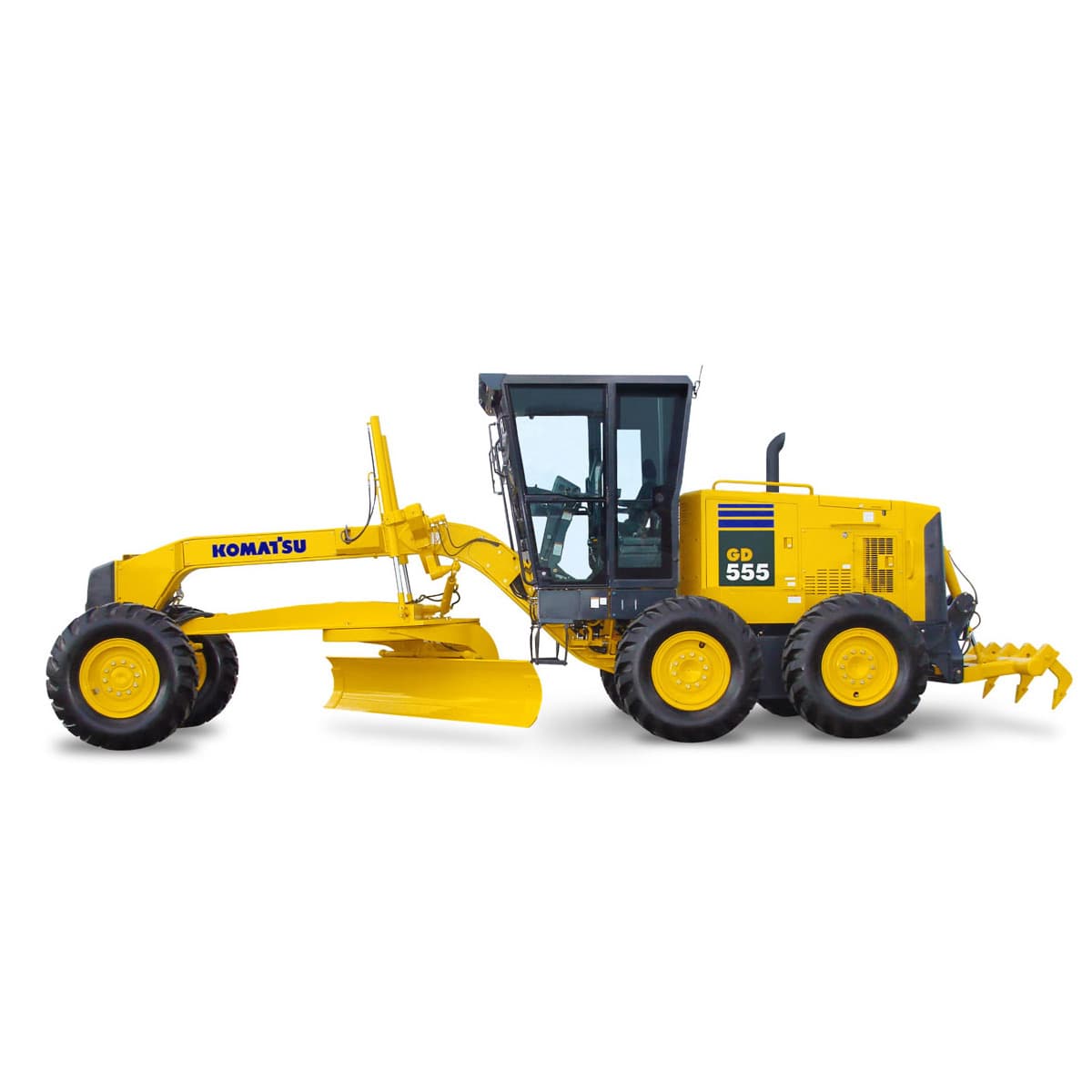
What is road infrastructure (vialidad) and what machinery does a road job need?
What road infrastructure is, the types of roads and road work, and which equipment to buy or rent first: rural roads, streets, patching or drainage.
Furniture
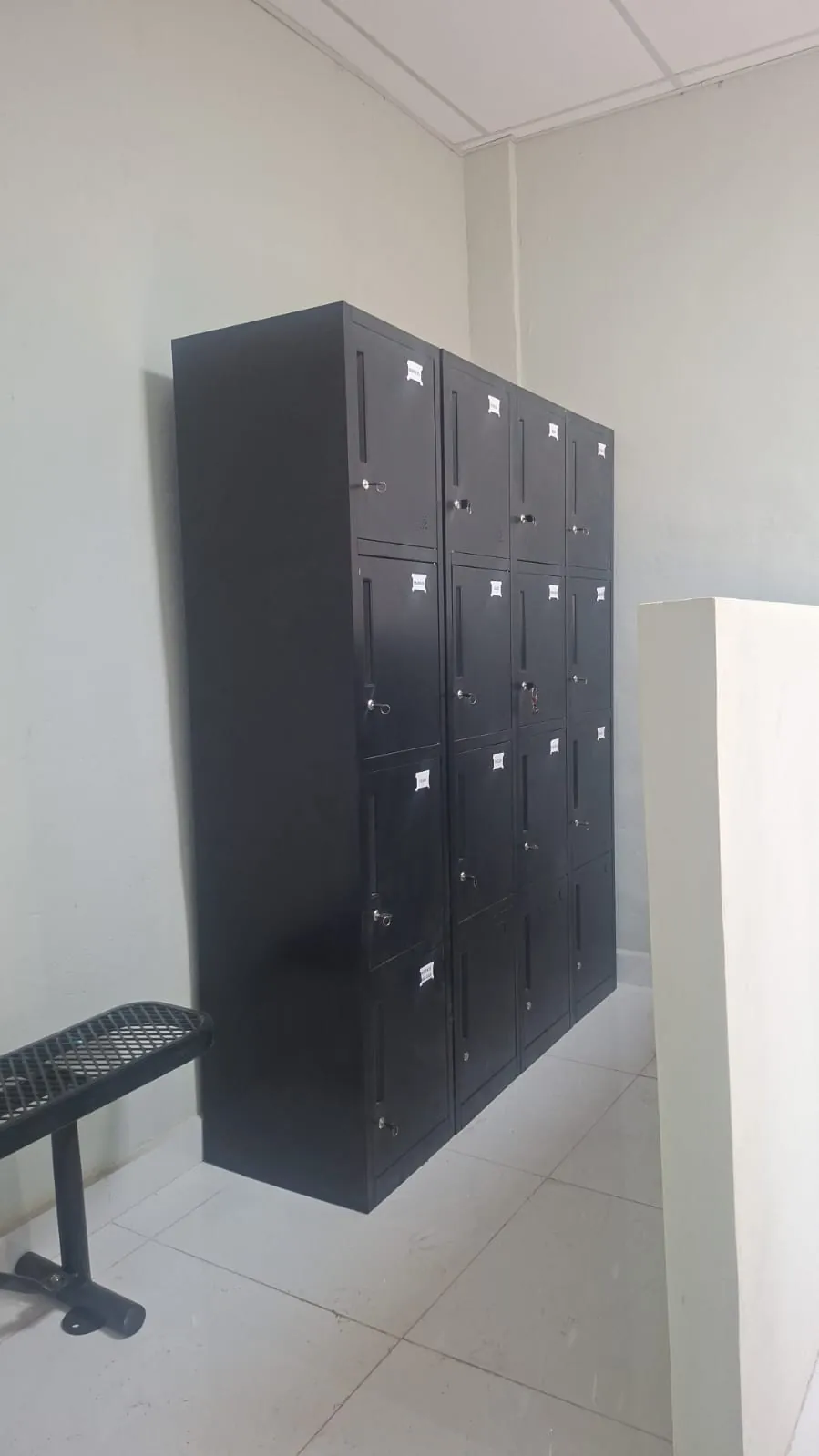
Metal or plastic lockers: how to choose doors, locking and anchoring
How many compartments you need, metal or polypropylene by humidity, locking, ventilation, anchoring and room to open the doors.
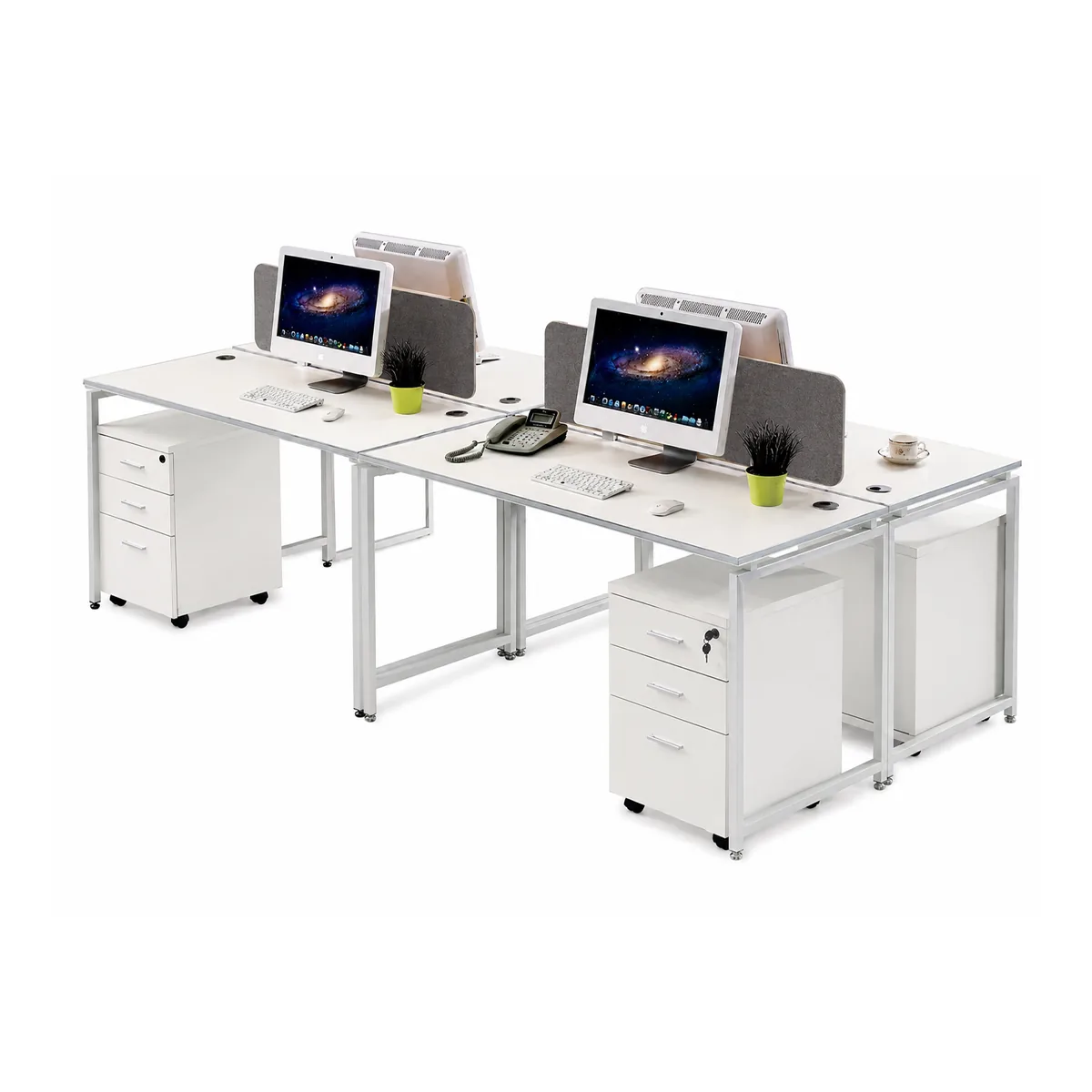
How to furnish an office? A guide by areas, workstations and chairs
Zones, workstations, desks, ergonomic chairs, meeting rooms, filing and reception: what to choose for each area of your office.
Architecture

Linoleum flooring: what it is, how it differs from vinyl and where it makes sense
Linoleum is a natural floor made from linseed oil, not vinyl. What it is, its advantages, where it fits, where it doesn't and how it compares with vinyl and LVT.

Hunter Douglas lay-in ceilings: types and how to choose
Mineral-fiber or metal lay-in, snap-in, linear and acoustic: how to choose a suspended ceiling by access, acoustics (NRC), humidity and seismic needs.
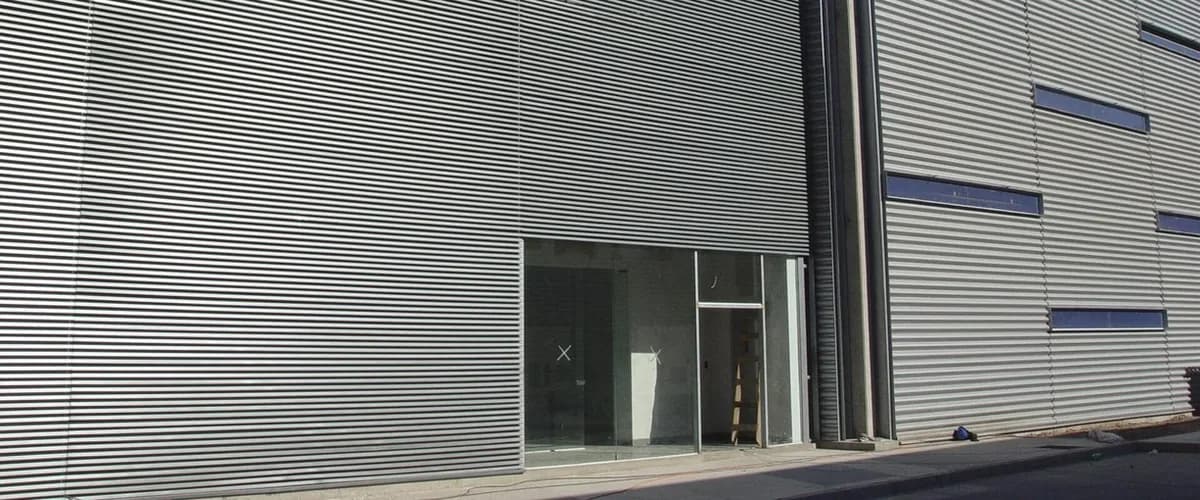
Architectural screens and louvers: types, uses and how to choose
What an architectural screen is, how it differs from a sun louver and a shutter, Hunter Douglas types and how to choose by ventilation, rain, sun and material.