
Short answer
To become a heavy equipment operator you need three things, in this order: safety theory and how the machine works, controls practice (ideally on a simulator) and real field hours with an instructor. A serious course includes all three and ends with a hands-on assessment. In El Salvador and Nicaragua, Grupo ConstruMarket's APMT Academy runs the Basic Hydraulic Excavator Operation Course in those three stages, for individuals and companies; it is coming soon to Guatemala and Panama. It's also worth asking at your country's vocational training institute.
Watch it in 30 s
“I came to the academy to diversify my profession”
Testimonial from a Grupo ConstruMarket APMT Academy student.
Channel: GrupoConstrumarket
What a good operator does (and knows)
Operating isn't just moving levers. A good operator checks the machine before starting, knows its load and stability limits, reads the ground, works without putting the crew at risk and looks after the equipment so it doesn't stop. That's why the same machine performs differently in different hands: less wear, less fuel and fewer stoppages when the operator is trained.
For a company, that turns into cost per hour. For the person, into a skill in demand in construction, mining and infrastructure.
- Daily inspection before operating and what to do if something fails.
- The machine's controls and working modes.
- Stability: slopes, load and danger zones around the machine.
- Technique: digging, loading a truck, grading, working near trenches.
- Equipment care: greasing, warm-up and proper shutdown.
- Signals and communication with the rest of the site.
The three stages of good training
A course that only gives theory doesn't train operators, and one that puts you on the machine on day one without the basics doesn't either: that's how bad habits are learned and machines get broken. The order that works is this one, and it's the same one the APMT Academy follows:
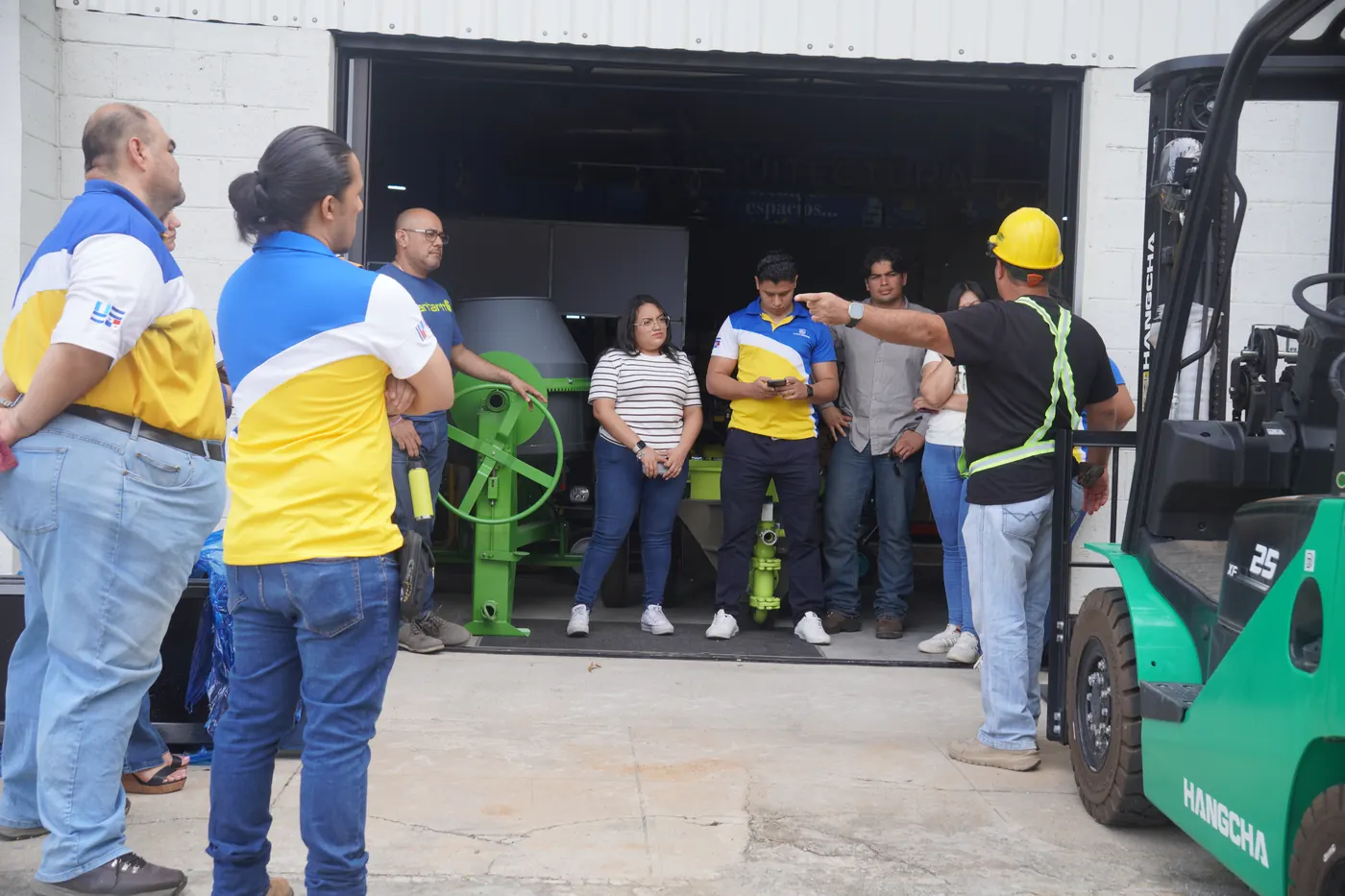
- Theory: Safety and how the machine works
- Simulator: Master the controls without risk
- Real field: Hours on the machine with an instructor
How to choose a course: 6 questions
Before you enroll, ask these questions. The answers tell you whether you'll come out operating or just holding a piece of paper:
- How many hours are on the real machine, per student, and how many in the classroom?
- Is there a simulator or controls practice before the machine?
- Which machine do you practice on (excavator, backhoe, loader), and is it a current model?
- How many students per instructor and per machine?
- How are you assessed at the end: is there a hands-on test?
- What certificate do they give and who backs it?
Where to train in Central America
APMT Academy (Grupo ConstruMarket). The Professional Machinery and Transport Academy runs the Basic Hydraulic Excavator Operation Course, with safety and operation theory, simulator practice and real-field practice. It's available in El Salvador —in Zaragoza, La Libertad, km 21½ of the road to Puerto de La Libertad— and in Nicaragua; it's coming soon to Guatemala and Panama. It enrolls individuals and builds group plans for companies.
Vocational training institutes. Each country has one: INSAFORP in El Salvador, INTECAP in Guatemala, INATEC in Nicaragua and INADEH in Panama. Their offer changes over time, so ask whether they have an open heavy equipment operation group. In Panama, INADEH has trained heavy equipment operators together with mining companies.
On the job. Many contractors train their own operators: a helper learns next to an experienced operator and then goes through a formal course. If that's your case, ask for that learning to be backed by an assessment.
If you're a company: training your own operator
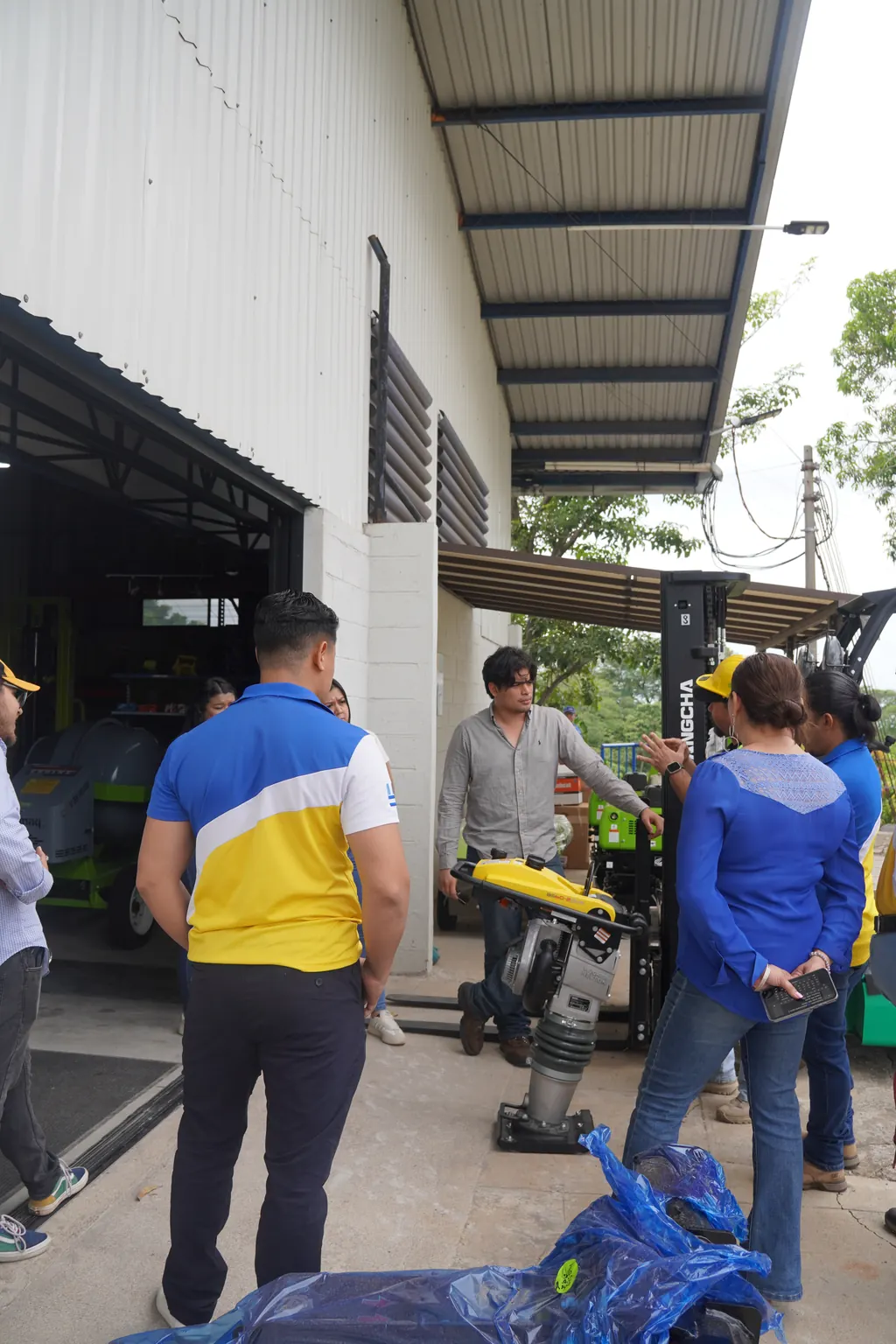
Training your own operators lowers your fleet's risk: fewer incidents, more productive hours and less misuse damage. An operator who knows the machine also catches a leak, a noise or an alarm in time, before it becomes a big repair.
The APMT Academy builds plans for company groups. If you buy a machine from Grupo ConstruMarket, ask about training your operators along with the delivery.
- Preventive maintenance for heavy machinery: how often, and what does it include?
- How do you calculate a machine's cost per hour?
After the course: how to keep growing
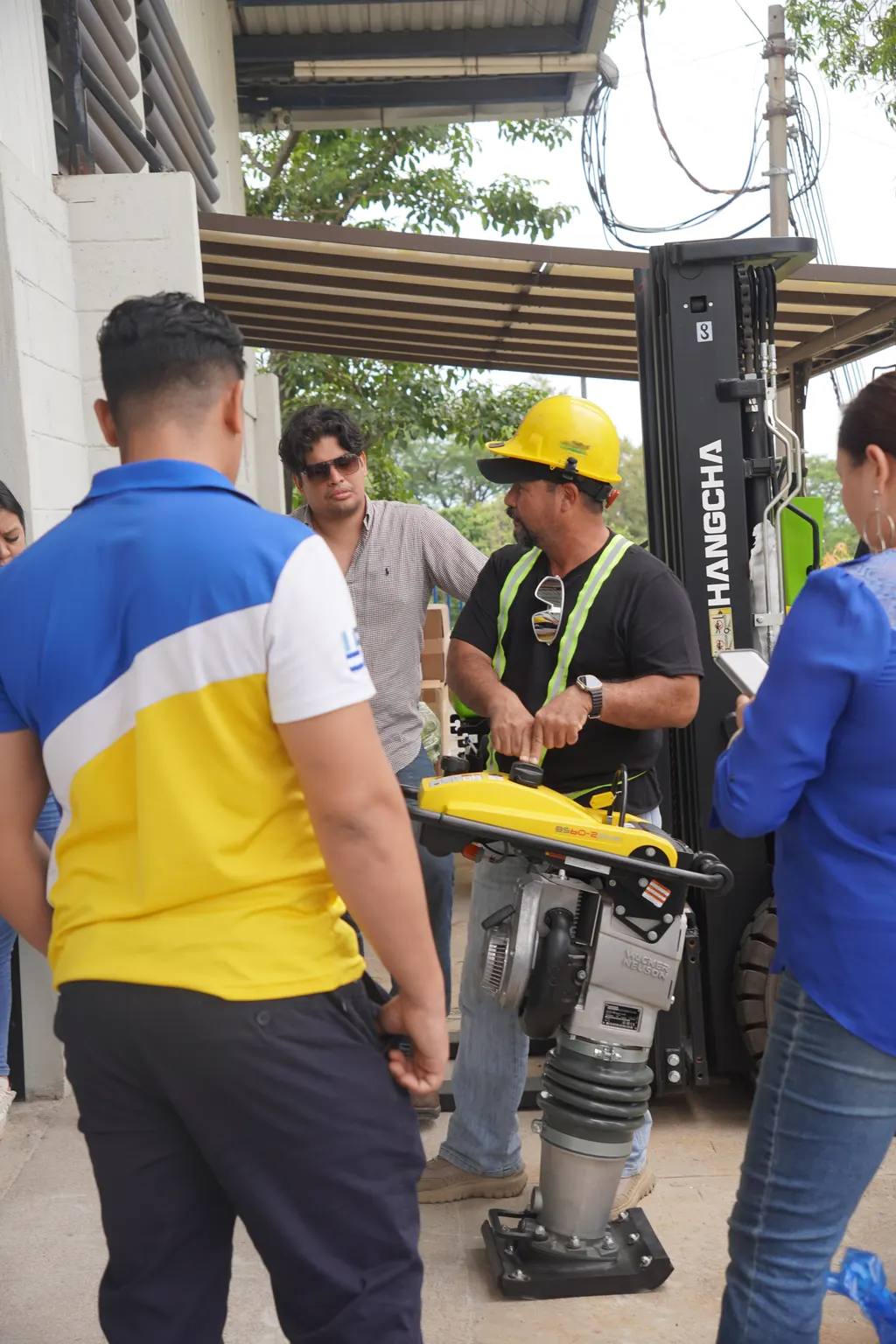
The course gives you the basics; experience makes you an operator. Keep a record of your hours by machine type, master one machine first and then add others (excavator, backhoe, loader, motor grader), and keep your daily inspection up to date: it's the first thing whoever hires you looks at.
To understand what each machine does and on which job it's used, start with the guide to heavy machinery types.
Summary: what to choose
| If… | Then… |
|---|---|
| You're starting from zero | Course with theory, simulator and real field |
| You're in El Salvador or Nicaragua | APMT Academy: basic excavator course |
| You're in Guatemala or Panama | APMT coming soon; ask at INTECAP or INADEH |
| You're a company with several operators | Group plan and training with delivery |
| You already operate, but without a course | A course with a hands-on assessment to back it |
Get a quote without leaving
Want to work it out with an advisor?
Topic: Operator training (APMT Academy)
Which country is your project in?
Common mistakes
Choosing the shortest course
What matters is real-machine hours per student, not course days.
Getting on without the basics
Without theory or practiced controls, you learn bad habits and damage the equipment.
Skipping the daily inspection
It's the cheapest part of operating well and the first to be dropped.
Learning every machine at once
Master one thoroughly, then add others.
Ending up without a certificate
If you learned on the job, back it with a formal assessment.
Take it to the job site
Print the checklist to go over it on site, or send the guide to your crew.
Book a workshop service for your Komatsu or Bobcat
250, 500 or 1,000-hour maintenance, a fault or an inspection. Suggest the day and the workshop confirms your appointment.
Frequently asked questions
Where can I train as a heavy equipment operator in El Salvador?
At Grupo ConstruMarket's APMT Academy, in Zaragoza, La Libertad (km 21½ of the road to Puerto de La Libertad): Basic Hydraulic Excavator Operation Course with theory, simulator and field practice. You can also ask INSAFORP whether it has an open group.
Where can I train as a heavy equipment operator in Guatemala?
Grupo ConstruMarket's APMT Academy is coming soon to Guatemala; meanwhile, ask INTECAP about heavy equipment operation groups. With CMARKET, if you buy a machine, ask about training your operators.
Where can I train as a heavy equipment operator in Nicaragua?
At Grupo ConstruMarket's APMT Academy, available in Nicaragua, with the Basic Hydraulic Excavator Operation Course. You can also ask INATEC about its current offer.
Where can I train as a heavy equipment operator in Panama?
The APMT Academy is coming soon to Panama. INADEH has trained heavy equipment operators together with mining companies: ask about its next intake.
What do you learn in a heavy equipment operator course?
Safety, daily inspection, controls, stability and work technique (digging, loading, grading), plus basic machine care. A good course combines theory, a simulator and real hours on the machine with an instructor.
Can a company train its operators?
Yes. The APMT Academy builds plans for company groups. Training your own operators reduces incidents, downtime and misuse damage, and protects the investment in the machine.
Ready for the next step?
See the APMT AcademyGrupo ConstruMarket · Job site checklist
How do you become a heavy equipment operator, and where can you train in Central America?
To become a heavy equipment operator you need three things, in this order: safety theory and how the machine works, controls practice (ideally on a simulator) and real field hours with an instructor. A serious course includes all three and ends with a hands-on assessment. In El Salvador and Nicaragua, Grupo ConstruMarket's APMT Academy runs the Basic Hydraulic Excavator Operation Course in those three stages, for individuals and companies; it is coming soon to Guatemala and Panama. It's also worth asking at your country's vocational training institute.
What a good operator does (and knows)
- Daily inspection before operating and what to do if something fails.
- The machine's controls and working modes.
- Stability: slopes, load and danger zones around the machine.
- Technique: digging, loading a truck, grading, working near trenches.
- Equipment care: greasing, warm-up and proper shutdown.
- Signals and communication with the rest of the site.
How to choose a course: 6 questions
- How many hours are on the real machine, per student, and how many in the classroom?
- Is there a simulator or controls practice before the machine?
- Which machine do you practice on (excavator, backhoe, loader), and is it a current model?
- How many students per instructor and per machine?
- How are you assessed at the end: is there a hands-on test?
- What certificate do they give and who backs it?
Avoid
- Choosing the shortest course. What matters is real-machine hours per student, not course days.
- Getting on without the basics. Without theory or practiced controls, you learn bad habits and damage the equipment.
- Skipping the daily inspection. It's the cheapest part of operating well and the first to be dropped.
- Learning every machine at once. Master one thoroughly, then add others.
- Ending up without a certificate. If you learned on the job, back it with a formal assessment.
Job site:
Date:
Supervisor:
Scan it for the full guide, with video and FAQ
https://grupoconstrumarket.com/en/guias/como-ser-operador-de-maquinaria-pesada-y-donde-estudiar