
Short answer
A well-cared-for machine is one that's checked every day, operated within what the manufacturer authorizes and left secured at the end. The operator's rule fits in one line: check, lubricate correctly, report and never operate with a critical defect. The operator inspects, cares for and reports; the supervisor decides and locks out when needed; the workshop diagnoses and repairs.
Safety, care and good use: one discipline
The three reinforce each other. The daily inspection catches the fault before it hurts someone; good use avoids impacts, overloads and overheating that shorten the machine's life; the log tells the workshop what's happening before it becomes a long stoppage. A fleet that works this way has more available hours, fewer emergency repairs and machines worth more the day they're sold or traded in.
The rule that governs everything: your model's manufacturer operation and maintenance manual rules. What follows is the common base for construction equipment and rental fleets.
Who does what and how often
Each frequency has an owner and a result. That way nobody assumes «the previous shift already checked».
- Before each shift: Operator: checklist, greasing and status
- During and at shutdown: Operator: monitor, clean, handover
- Every week: Operator + supervisor: extended check
- Every month: Supervisor + technician: condition and services
Before touching the machine
Inspecting or greasing a machine that can move, or that holds stored energy, causes most maintenance accidents.
- Park on stable, level ground, away from traffic and edges; brake, controls in a safe position and chocks if needed.
- Lower the bucket, blade, forks and attachments to the ground before shutting down.
- Shut the engine off and control the key; to enter danger zones, lock out energy per procedure.
- Release hydraulic pressure only with the model's procedure: shutting the engine off doesn't remove all pressure.
- Let it cool down; proper glasses, footwear and gloves, plus hard hat and high-visibility gear as the area requires.
- Always climb up and down with three points of contact, with clean steps and handrails.
- If the task needs raised arms, use the approved mechanical support; on articulated machines, the articulation lock.
What's never done
These prohibitions have no exception, not in a hurry and not «just for a moment».
- Working under suspended attachments or stepping between the halves of an articulated machine without the lock.
- Looking for hydraulic leaks with your hands, getting near the jet or loosening fittings to check pressure.
- Opening the radiator cap hot or touching fans, belts or moving parts; some fans start on their own.
- Greasing or inspecting with someone moving the machine.
- Bypassing alarms, seat belts, safety bars, interlocks or protective devices.
- Improvising hose repairs.
Good use during the shift
How it's operated decides how long the machine lasts. What the operator sees, hears and smells during the shift is the best early warning there is.
- Watch dashboard temperature, pressure and warnings; on a critical alarm, stop safely and follow the manual's response.
- Recognize changes: loss of power, smoke, smell of fuel or burning, metallic noise, new vibration, irregular steering or braking.
- Operate within the authorized capacity, slope and configuration; avoid unnecessary swings and impacts.
- Don't use the bucket as a hammer or a pry bar.
- Warm up per the manual: don't load with the engine cold or leave it idling for long out of habit.
- Keep screens and intake clear; if debris builds up, stop and clean with the machine off and cool.
- Log hours and what gets topped up: frequent top-ups, fluid loss or repeated alarms call for diagnosis, not habit.
- At handover, report faults and check the status; don't assume the previous shift checked everything.
At the end of the shift
The machine is left the way the next operator would like to find it.
- Park safely, lower attachments, remove the load and follow the manufacturer's cool-down and shutdown.
- Clean mud from the undercarriage and debris with the machine secured, without aiming water at connectors, seals, intake or sensitive parts.
- Final walk-around: new leaks, tire or track damage, lost teeth, chafed lines and missing parts.
- Lubricate only the points due at that moment; after washing or working submerged, follow the manufacturer.
- Refuel with the engine off, no ignition sources, clean supply and spill containment; keep DEF free of contamination.
- Close doors and covers, secure the key and log the final hour meter, notes and location, with photos of any defect.
When NOT to operate
Each machine is in one of three states. FIT: everything required is in order. OBSERVATION: there's a documented defect and it's only operated if the authorized supervisor confirms it doesn't compromise safety or the equipment's integrity. DO NOT OPERATE: a critical defect or an uncertain safety condition; it's isolated and a review is requested.
With DO NOT OPERATE: tag the machine, control the key and energy, notify the person in charge and open the order with photos. It only goes back to work after the repair and the authorized release; a signature doesn't replace the repair.
Did any of these show up?
- Brake, steering, seat belt or interlock → DO NOT OPERATE
- Unsecured coupler or missing retainer → DO NOT OPERATE
- Leak, jet or hose with exposed reinforcement → DO NOT OPERATE
- Critical alarm, smoke or burning smell → Stop, DO NOT OPERATE
- Crack, damaged ROPS, abnormal noise or movement → DO NOT OPERATE
What the operator doesn't fix by improvising
The operator inspects, carries out the permitted routines and reports; the workshop diagnoses and repairs. Pressurized hoses aren't tightened, brakes aren't adjusted, transmissions aren't opened, valves aren't modified, structures aren't repaired and safety systems aren't programmed. Nor is the track adjuster: it holds high-pressure grease and only trained staff touch it.
The operator's kit helps do it right: the checklist and model sheet, labeled grease guns, the approved lubricant and clean rags, flashlight, gloves and glasses, a pressure gauge where applicable, clean labeled containers and a spill kit at hand. Contaminated containers aren't reused.
For fleets: the weekly and monthly review
On top of the daily check, a documented weekly review between operator and supervisor pays off: dirt build-up and screens, new play in joints, missed grease points, undercarriage and attachment wear, belts and hoses with the engine isolated, lights and battery, cab and guards, and repeat defects. Anything that requires measuring, adjusting or disassembly is done by the technician.
Each month, the fleet manager and the technician reconcile hour meters with telematics if available, audit hour-based services, review condition, fluid consumption, cooling, safety and lubrication, and observe a real inspection by each operator. None of these reviews replaces the manufacturer's plan: oil and filter changes are governed by its manual and by documented condition.
Four indicators are enough to know whether care is working: inspection compliance (shifts with a verified checklist over shifts operated), services on time, technical availability and open critical defects with their response time. Don't reward «zero reports»: it usually hides problems.
Training and support
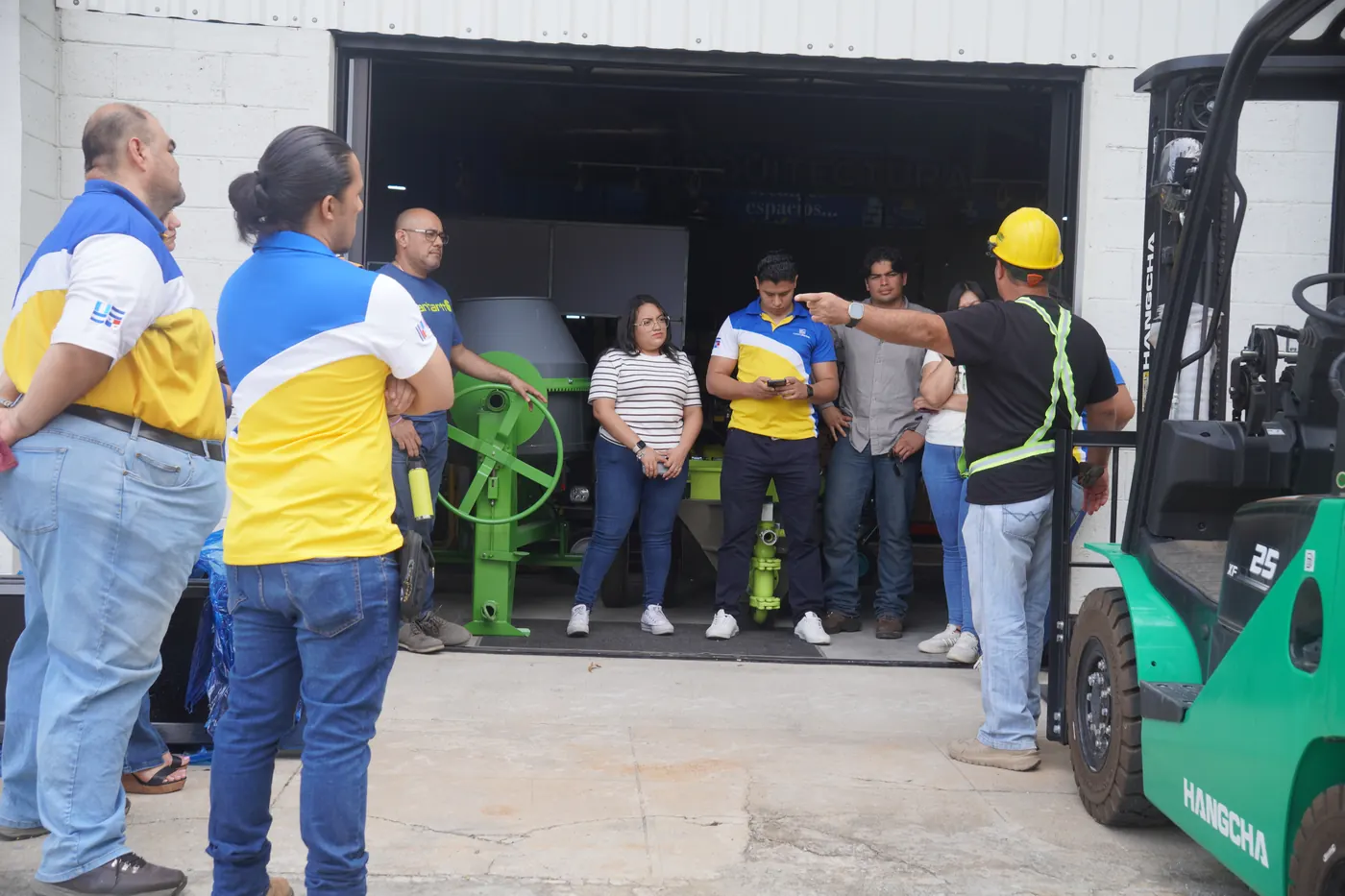
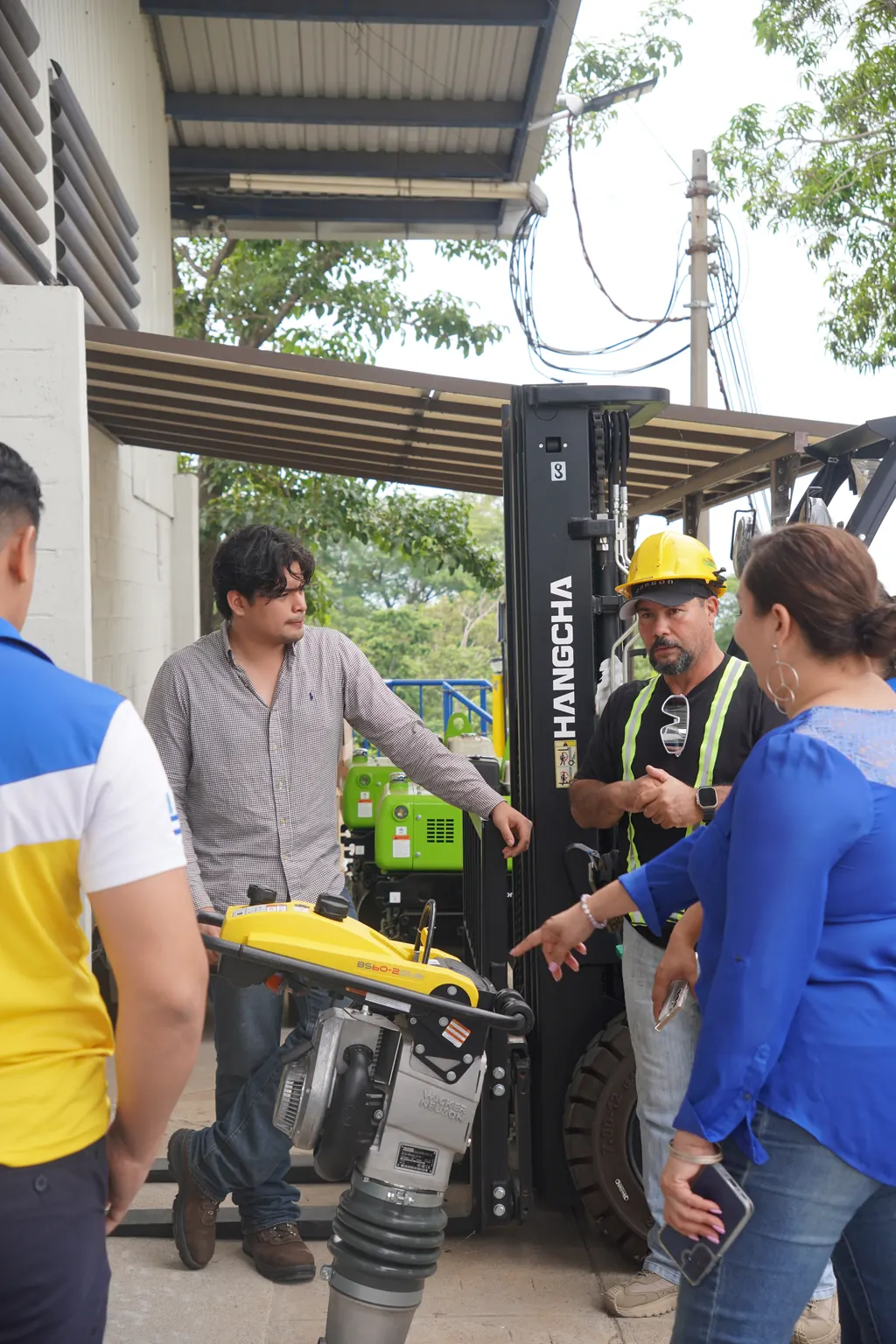
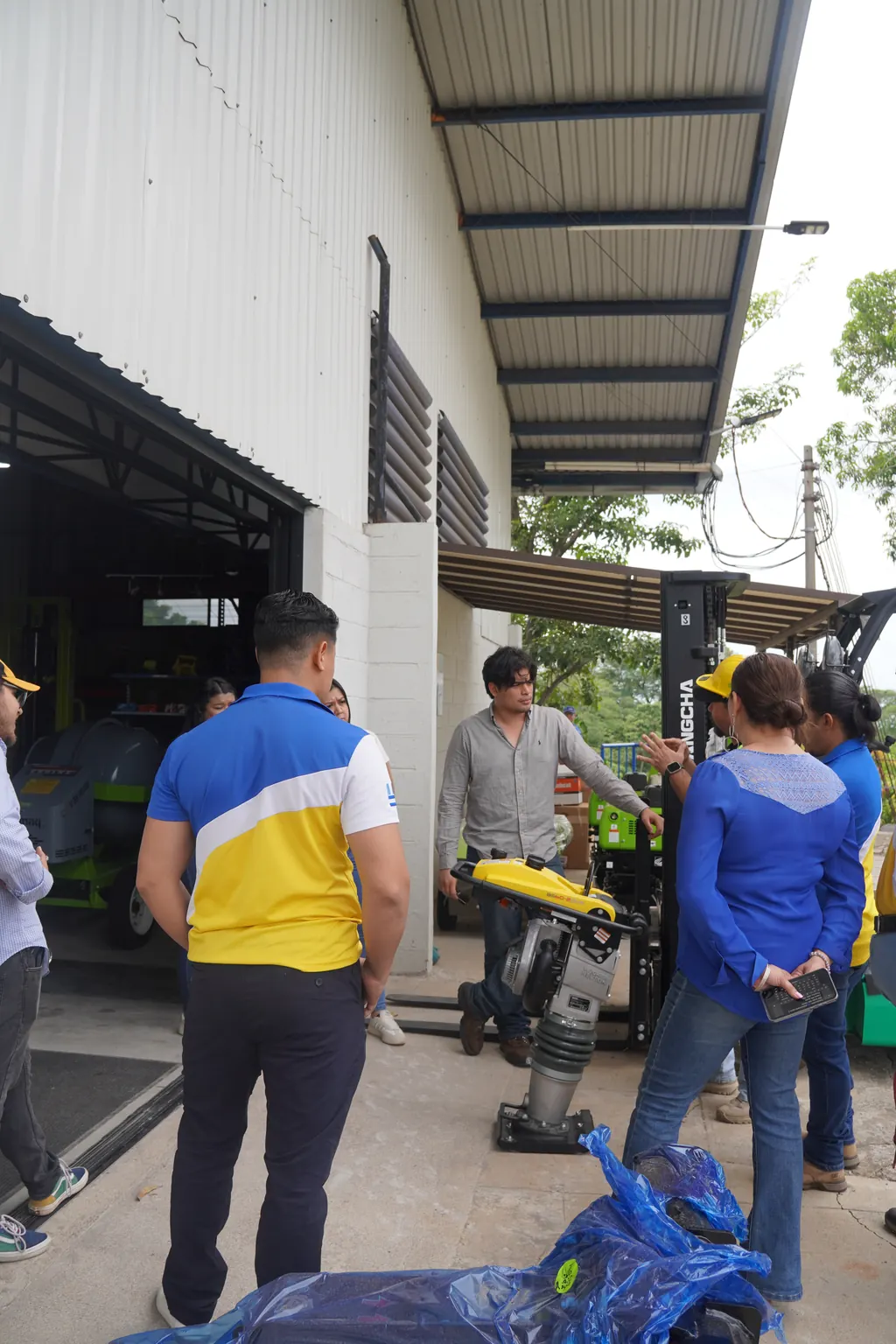
All of this is learned by doing it with someone who knows. The group's APMT Academy trains operators, and inspection, greasing and safe operation are part of the practice. For anything that needs a workshop, Grupo ConstruMarket's after-sales team serves in the workshop or on site in El Salvador, Guatemala, Nicaragua and Panama: have the brand, model and serial number from the data plate at hand.
Summary: what to choose
| If… | Then… |
|---|---|
| You're starting the shift | Checklist, greasing due and status |
| You're going to inspect or grease | Implement down, engine off, key out |
| A noise, smell or power changes | Stop safely and report |
| There's a critical defect | DO NOT OPERATE until repaired and released |
| You top up fluid often | Ask for a diagnosis; it isn't normal |
| Operators change | Report faults and check the status |
Get a quote without leaving
Want to work it out with an advisor?
Topic: Operator training and service
Which country is your project in?
Common mistakes
«The previous shift already checked»
Each operator checks their shift; the handover passes on faults, it doesn't assume them.
Filling in the checklist from the cab
A sheet without a walk-around gives false confidence; the supervisor must verify it.
Using the bucket as a hammer
It pounds pins, bushings and the structure; that's what a hydraulic breaker is for.
Normalizing alarms
An alarm that repeats is a pending diagnosis.
Bypassing a safety device
Interlocks and seat belts exist because of accidents that already happened.
Rewarding «zero reports»
It hides faults until they become long stoppages.
Book a workshop service for your Komatsu or Bobcat
250, 500 or 1,000-hour maintenance, a fault or an inspection. Suggest the day and the workshop confirms your appointment.
Frequently asked questions
What are the basic safety rules for operating heavy equipment?
Inspect before each shift, operate within the authorized capacity and configuration, wear the seat belt and never bypass safety devices, never work under suspended attachments and don't operate with a critical defect. To inspect or grease: implement down, engine off and key out.
When should a machine not be operated?
With a brake, steering, seat-belt or interlock fault; an unsecured coupler; a fuel or hydraulic leak; a critical alarm, smoke or burning smell; a structural crack or damage to the protective cab; or abnormal movement, noise or vibration. It's repaired and released before operating again.
What does good use of a machine mean?
Operating it within what the manufacturer authorizes, warming it up as the manual says, avoiding unnecessary impacts and swings, not using the bucket as a hammer, keeping screens clean and reporting any change in noise, smell or power.
Does the weekly review replace maintenance?
No. The weekly and monthly reviews are management controls; oil and filter changes follow the manufacturer's plan by hours or calendar.
Where are operators trained?
At the group's APMT Academy, with operator courses where inspection, greasing and safe operation are part of the practice.
Ready for the next step?
Train your operators at the APMT Academy