
Short answer
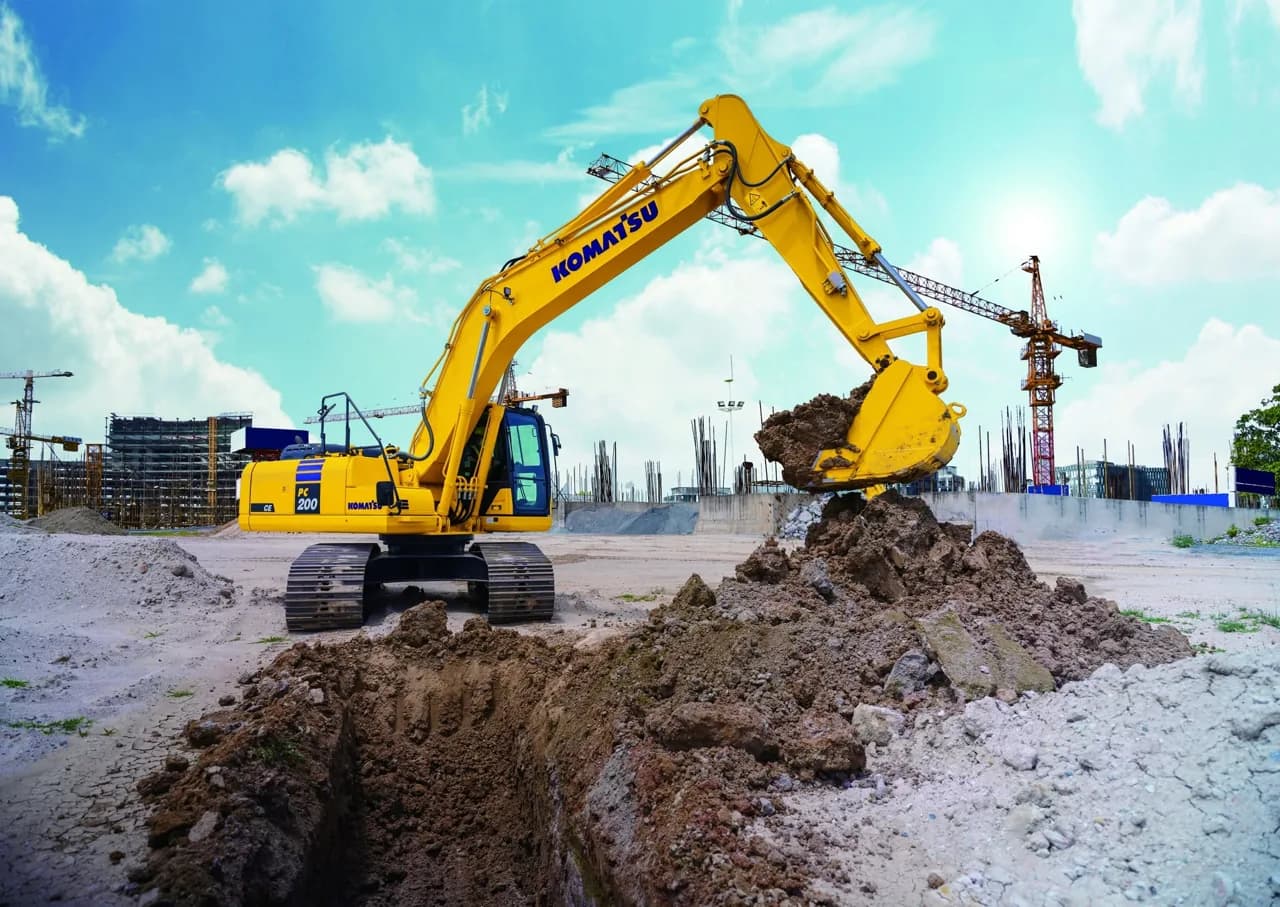
A heavy machine doesn't have a fixed fuel burn: the same excavator uses different amounts depending on the material, the work mode, idle hours and the operator. The number that matters is the one you measure on your site, in liters per hour: tank-to-tank with the hour meter, or straight from KOMTRAX if it's a Komatsu. With that figure you calculate your cost per hour and see where fuel is being lost.
Why there's no single number per model
The engine burns fuel according to the load the job demands. An excavator loading trucks with loose material works differently from the same machine breaking rock with a hammer or trimming a slope. That's why manufacturers talk about light, medium and heavy working conditions, and no heavy-machinery datasheet in the catalog publishes a single fuel figure.
Five things move consumption more than the model: the type of work, the power mode selected, idle time, maintenance condition (filters, wear parts, tires) and the way it's operated. If you compare two machines, compare them on the same job and with the same measuring method.
Method 1: tank-to-tank
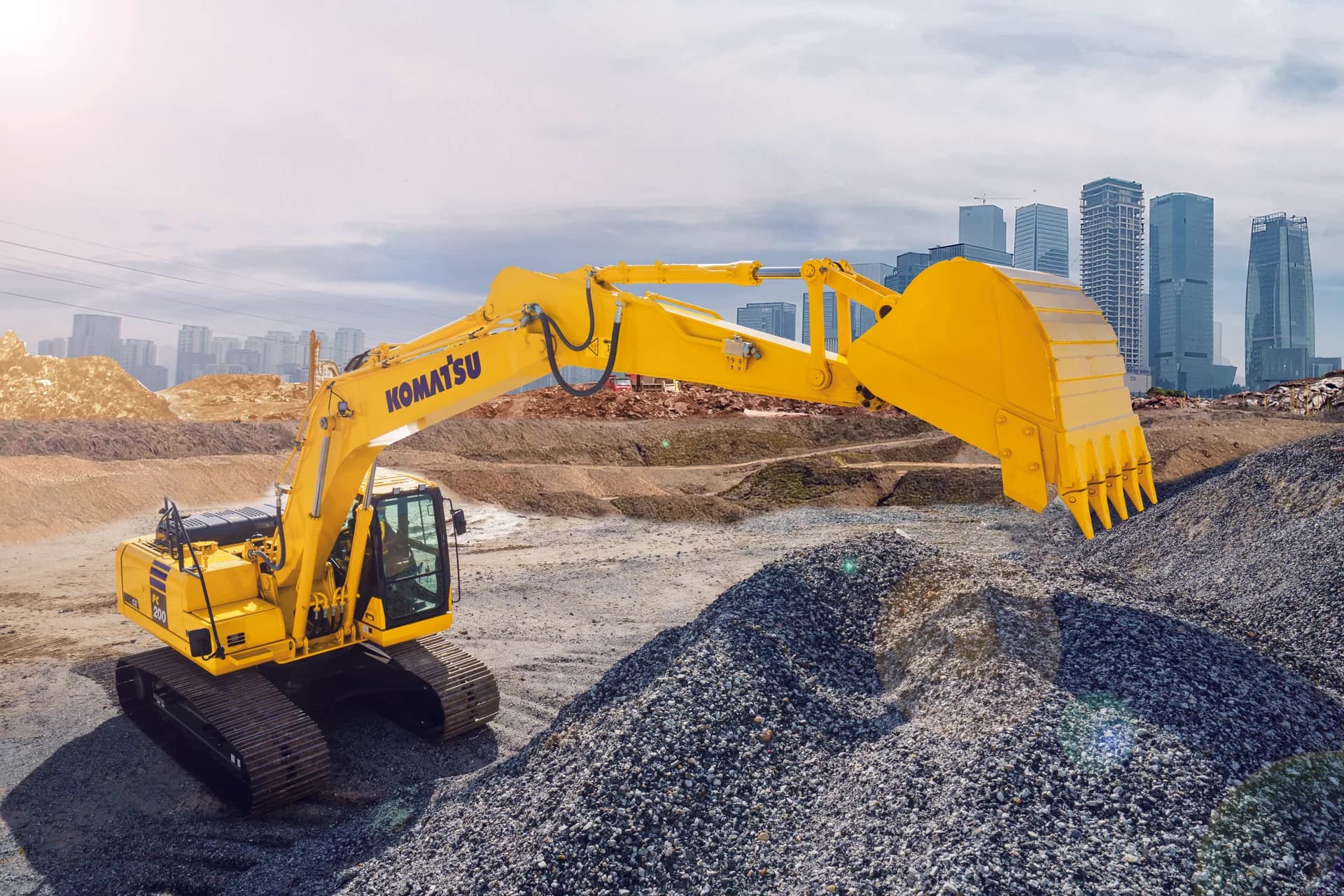
It works for any machine, of any brand, with no technology. Fill the tank to the top and write down the hour-meter reading. Work normally for several days. Refill to the same level and note the liters that went in and the new hour reading. Divide liters by hours worked: that's your real consumption in liters per hour.
Two details make the difference: always fill in the same place with the machine on level ground, so «full» means the same thing; and measure a long period, several dozen hours, so a filling error weighs little. Keep the record per machine and per type of work.
- Fill and record: Tank to the top + hour meter
- Work normally: Several dozen hours
- Refill the same way: Same place, level ground
- Divide: Liters ÷ hours = L/h
Method 2: telematics measures it for you
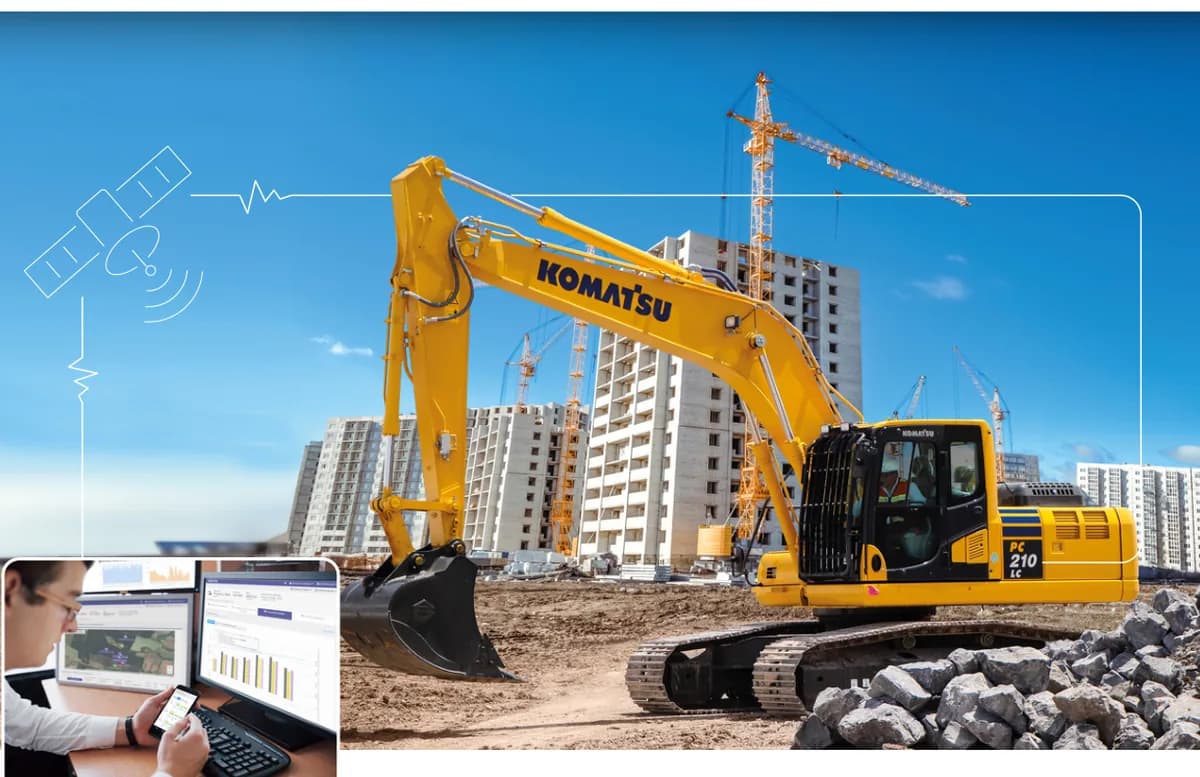
On a Komatsu, KOMTRAX logs actual and average fuel use per hour, the remaining tank level, real working hours, idle time and hours in each operating mode (economy, power, breaker, lifting), according to Komatsu. You see it on your phone or computer, machine by machine and week against week, without relying on the daily report.
On Bobcat, Machine IQ shows location, hours, the last recorded fuel level and maintenance, according to Bobcat. That isn't the same as a per-hour figure: for that, cross the levels with the refills, or use the tank-to-tank method. If you run a mixed-brand fleet, the ISO 15143-3 standard lets you pull telematics data into one system.
Light equipment does publish its fuel use
On constant-load equipment, such as light towers, pumps or cut-off saws, the manufacturer can give a fuel figure because the engine almost always runs the same way. That's why several Wacker Neuson datasheets in the catalog include it. Use it to plan how much fuel to bring to site; even so, confirm it with your own measurement.
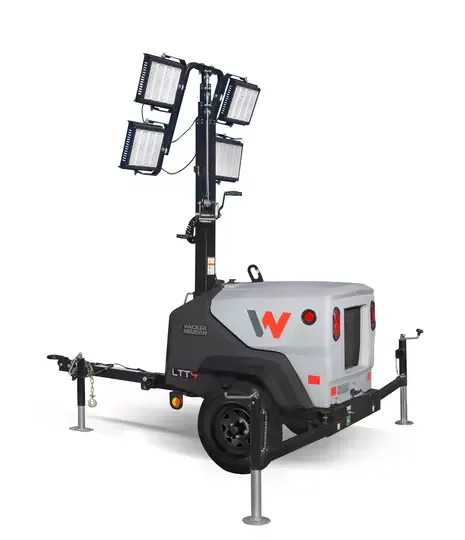
- LTT4 tower (lights only): 0.9 L/h
- LTT6 tower (lights only): 1.1 L/h
- PDT3A pump: 1.1 L/h
- BTS635s cut-off saw: 2.3 L/h
- Source: Wacker Neuson datasheets in the catalog
Where fuel goes without you noticing
Komatsu publishes in its fuel-saving guide how much habits weigh. These are Komatsu's figures, not our own measurements, but they show where to look first.
- Idling: one hour a day on a 20 t excavator, in auto-deceleration (3.3 L/h, 25 days a month), is about 990 liters a year, for a single machine.
- Trucks: raising the body at 80 % engine speed instead of full throttle uses 45 % less fuel on that maneuver.
- Tires: radials burn 5 to 15 % less than bias tires, thanks to lower rolling resistance.
- Dirty air filter: the engine breathes less and consumption rises about 3 %.
- Wear parts: with teeth and edges in good shape the bucket penetrates better and burns less fuel per cycle, according to Komatsu.
What changed?
- More idle hours → Shut down while waiting
- Air filter restricted → Replace it
- Worn teeth → Replace them
- More hours in power mode → Does the job need it?
From liters per hour to cost per hour
Multiply your measured consumption by the fuel price you pay in your country: that's the fuel line of your cost per hour, one of the lines that weighs most in running a machine. Put it into the cost-per-hour calculator together with maintenance, wear and the operator.
If you also measure how many cubic meters the machine moves per hour, divide cost per hour by production and you get the cost per cubic meter. That number truly compares two machines or two ways of working: one that burns more per hour but moves much more can come out cheaper per cubic meter.
How to cut it without losing production
Saving fuel isn't working less, it's not burning it where it doesn't produce. This order usually pays off most:
- Shut down during long waits and check idle time every week.
- Use the work mode the task needs; maximum power isn't always necessary.
- Follow the filter and lubricant changes in the manufacturer's manual.
- Replace worn teeth, edges and tires on time.
- Train operators: the group's APMT Academy runs excavator and skid-steer operator courses.
- Compare operators on the same job with the per-hour fuel figure, not guesswork.
KOMTRAX in one minute
In this short from the group's channel you see how your Komatsu machines' data is checked instantly.
Where to activate telematics and get help
Grupo ConstruMarket is an authorized Komatsu distributor in El Salvador, Guatemala (CMARKET), Nicaragua and Panama. To add KOMTRAX users, review your fleet's fuel use or set up a maintenance plan, contact the after-sales team in your country with each machine's model and serial number. If you want the full calculation with your numbers, the fleet study works out cost per hour and per tonne with your operation's data.
Summary: what to choose
| If… | Then… |
|---|---|
| You want a quick number and have no telematics | Tank-to-tank with the hour meter |
| Your machine is a Komatsu | Per-hour fuel and idling in KOMTRAX |
| Your machine is a Bobcat | Levels in Machine IQ + refill log |
| You're planning fuel for towers or pumps | Use the datasheet figure and confirm it |
| Fuel use rose with the same job | Check idling, air filter and wear |
| You're comparing two machines | Cost per cubic meter, not just liters per hour |
Get a quote without leaving
Want to work it out with an advisor?
Topic: KOMTRAX and fleet fuel use
Which country is your project in?
Common mistakes
Using another job's figure
Consumption changes with the job; measure it on yours.
Measuring for too few days
A filling error distorts a short period; measure dozens of hours.
Dividing by shift hours
Use hour-meter hours, not report hours: idling counts too.
Ignoring idling
It burns fuel and adds maintenance hours without producing.
Comparing only liters per hour
The machine that burns more can cost less per cubic meter moved.
Book a workshop service for your Komatsu or Bobcat
250, 500 or 1,000-hour maintenance, a fault or an inspection. Suggest the day and the workshop confirms your appointment.
Frequently asked questions
How many liters per hour does an excavator burn?
It depends on the size, the job and the mode: manufacturers distinguish light, medium and heavy conditions. The reliable figure is the one you measure, tank-to-tank or with KOMTRAX on a Komatsu.
Does KOMTRAX measure fuel consumption?
Yes. According to Komatsu, it logs actual and average fuel per hour, remaining level, idling and hours per operating mode. According to Komatsu, it comes at no cost to its customers.
How do I calculate consumption without telematics?
Fill the tank to the top and note the hour meter; after several days refill to the same level. Liters that went in divided by hours worked is your consumption per hour.
How much does a machine burn idling?
According to Komatsu's fuel-saving guide, a 20 t excavator in auto-deceleration burns 3.3 liters per hour idling; one hour a day is about 990 liters a year.
Does economy mode reduce production?
It depends on the task. If the job doesn't need full power, economy mode burns less without slowing things much; measure fuel and output in both modes and decide with data.
Ready for the next step?
Calculate your cost per hour