
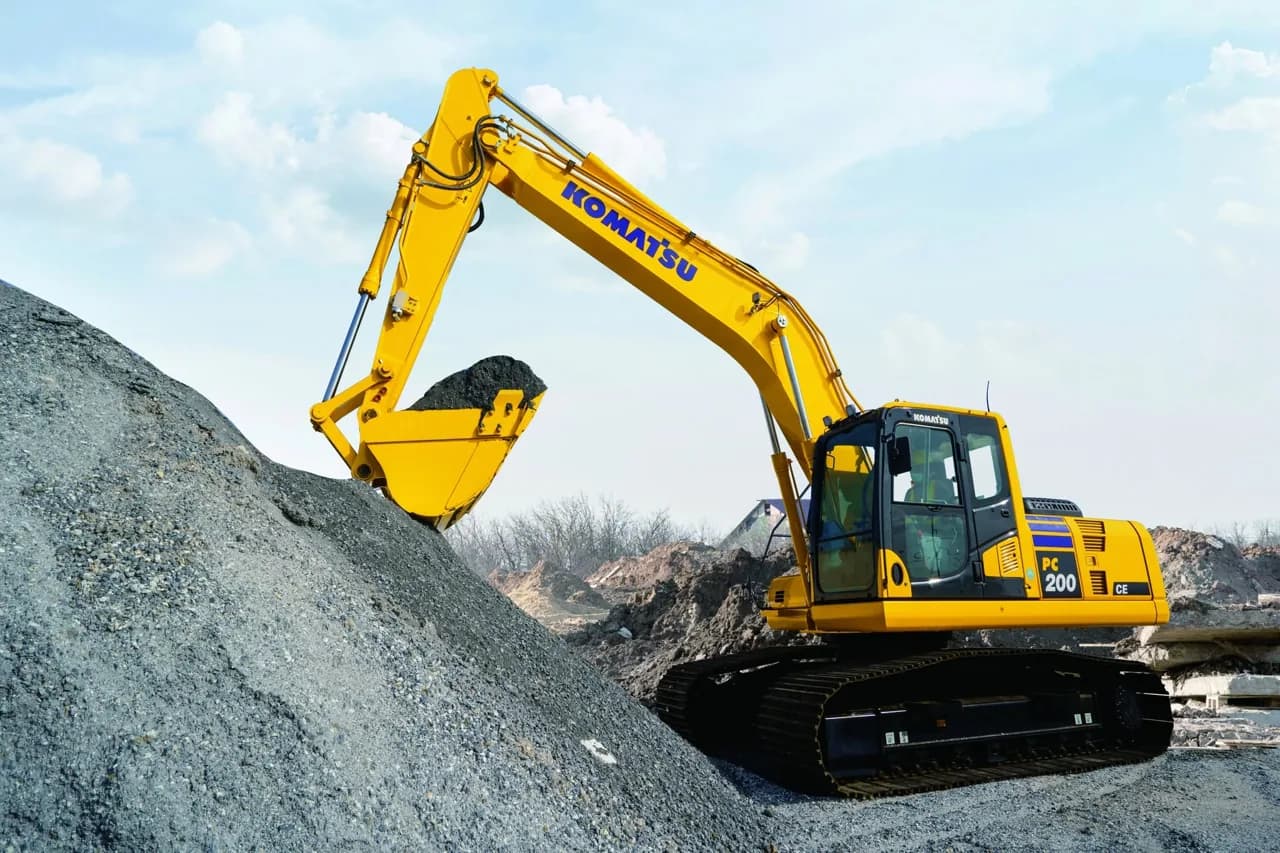
Short answer
The daily inspection is the check the operator does before starting: a full walk around the machine, fluid levels with the engine cold, the cab and its safety devices, and a test of every function with the engine running. Everything is logged with the hour-meter reading and signed. If there's a brake or steering fault, an active leak or a damaged safety device, the machine isn't operated until it's repaired.
What it's for and who does it
The operator does it at the start of every shift, with the machine parked on level ground, the implement resting on the ground and the engine off. It takes a few minutes and prevents the most expensive thing on a jobsite: a small fault turning into a long stoppage or an accident.
It doesn't replace hour-based preventive maintenance; it complements it. Preventive maintenance changes oils and filters per the manual; the daily inspection catches what shows up between services. And one rule above all: your machine's operator manual rules. This list is the common base; the exact points and order for your model are in its manual.
The order: from the outside in
Always following the same order is what keeps anything from being forgotten. Start outside with the engine off and finish in the seat, with the machine running.
- Walk-around: Engine off, front to back
- Fluid levels: Engine cold, level ground
- Cab and safety: Seat belt, mirrors, extinguisher
- Start and test: Dash, lights, alarm, functions
- Log: Hour meter, findings, signature
Step 1: the full walk-around
Walk around the machine slowly, always in the same direction, and look at each zone from top to bottom. Start with the ground: a new stain under the machine is the first sign of a leak.
- Ground: oil, fuel or coolant stains under the machine.
- Structure: cracks, open welds, pins and bushings with play, retainers and bolts all in place.
- Cylinders and hoses: rods free of scratches or dents, hoses without chafing, cracks or leaks at fittings.
- Tracks: correct tension, no loose shoe bolts, rollers and idlers without leaks, no trapped rocks or mud.
- Tires: pressure, cuts, even wear and all wheel nuts in place.
- Implement: teeth, cutting edges and end bits complete; quick coupler locked with its safety pin.
- Engine compartment: belts, radiator free of debris or blockage, cables without chafing, nothing loose.
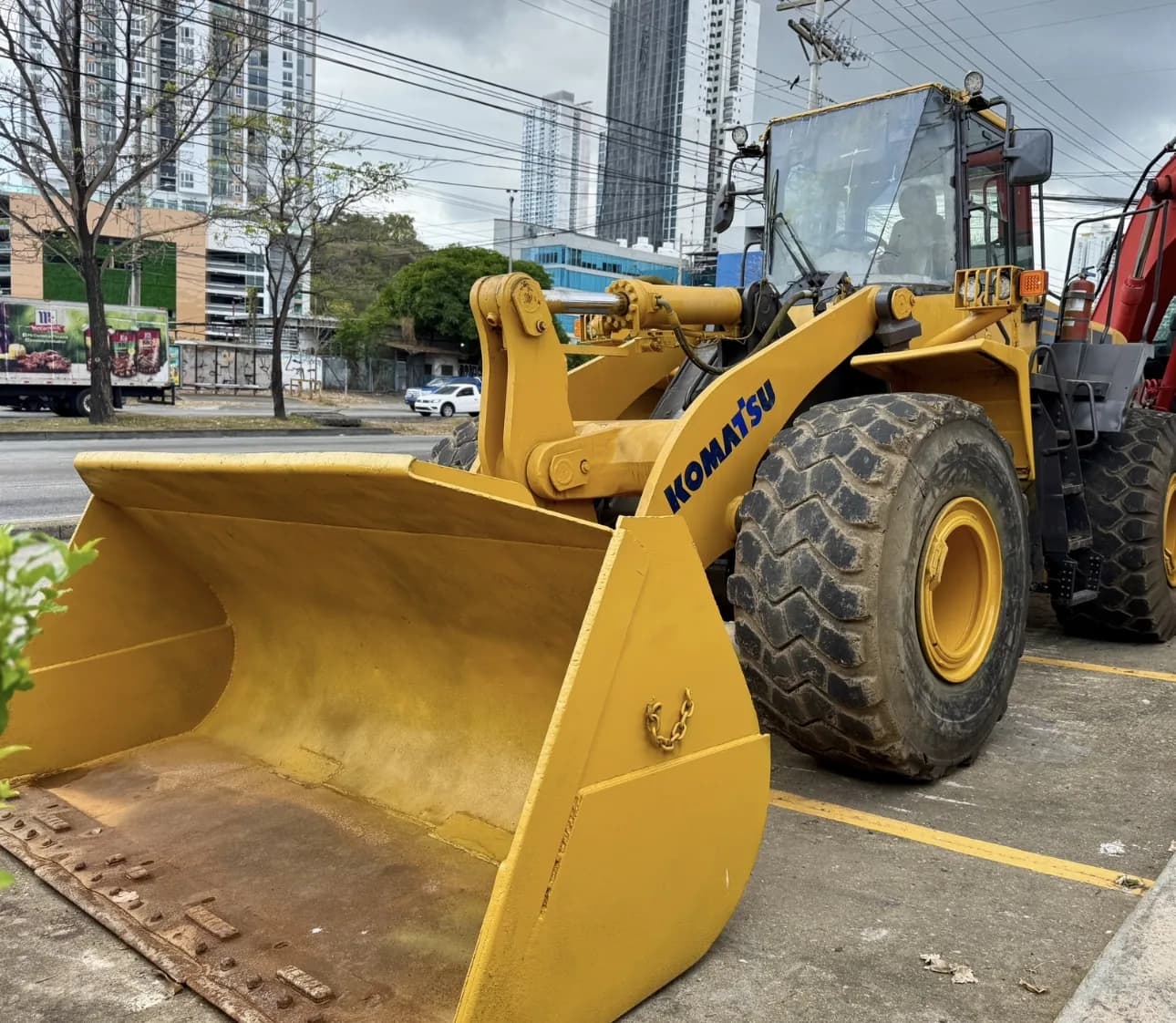
Step 2: fluid levels, with the engine cold
Check fluid levels with the machine on level ground and the engine cold, and with the implement in the position the manual specifies for reading the hydraulic tank. Never open the radiator cap with the engine hot: the coolant comes out under pressure.
- Engine oil, between the dipstick marks.
- Coolant, in the expansion tank.
- Hydraulic oil, in the tank sight glass or dipstick.
- Fuel, and drain water from the separator if the manual says so.
- Air filter restriction indicator.
- Grease at the points the manual says to grease daily.
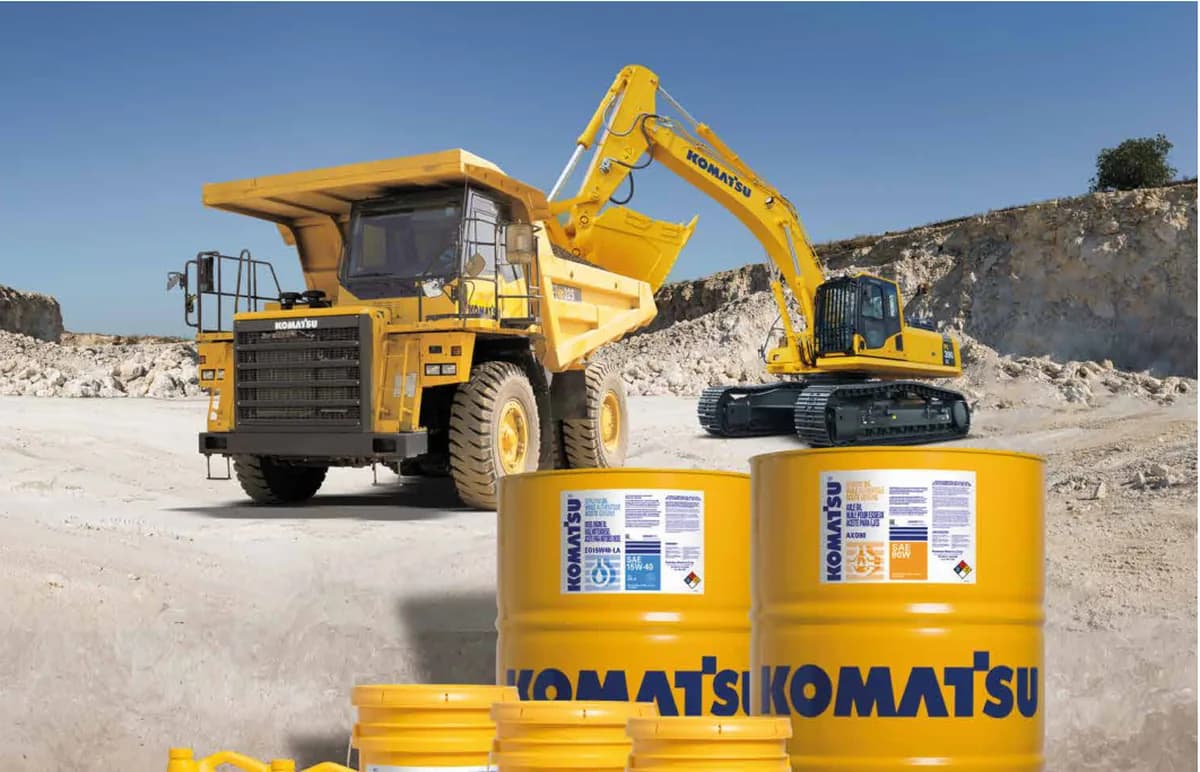
Step 3: cab and safety devices
Climb up using three points of contact, with steps and handrails clean of mud and grease. Before starting, check what protects the operator and the people working around the machine.
- Seat belt complete, latching and releasing.
- Cab protective structure (ROPS/FOPS) without dents or cracks.
- Windows, mirrors and cameras clean and complete.
- Fire extinguisher charged and in place.
- Control lockout lever working and all controls in neutral.
Step 4: start-up and function test
Start with the lockout lever engaged and look at the dashboard: no warning should stay lit. Listen to the engine and watch the exhaust: abnormal smoke or a new knock gets reported.
Then test everything, slowly and without load: horn, lights and backup alarm; brakes and steering; and each hydraulic function through its full travel (boom, arm, bucket, swing, travel or blade). Look for slow movements, jerks, noises or leaks that only show under pressure.
What to do with each finding
Not every finding stops the machine, but every finding gets logged. The rule is simple: if it affects safety or can damage a major component, the machine isn't operated; if it's wear or a minor leak, it's reported and the repair is scheduled; if everything is fine, you sign and work.
On a Komatsu with KOMTRAX, an abnormality code on the dashboard is also recorded and can be passed to after-sales with the model and serial number: the technician arrives knowing what to check.
What did you find?
- Brakes, steering or active leak → Don't operate, report it
- Safety device damaged or missing → Don't operate until fixed
- Dashboard warning → Check with after-sales
- Wear or minor leak → Report and schedule
- All in order → Sign and operate
The log: what isn't written down doesn't exist
One sheet per machine per day, on paper or on a phone, with the minimum: date, machine and serial number, hour-meter reading, operator's name, each point checked as fine or with a finding, and the signature. The supervisor reviews it and decides on findings; a photo of the hour meter and of each fault saves arguments.
That history pays off three times: the workshop sees when a leak started, hour-based maintenance is scheduled with the real reading and, the day you sell the machine or trade it in, it shows how it was looked after.
On video: tips before using your Komatsu
This short from the group's channel goes over the basics before starting a Komatsu machine.
Operator training and after-sales support
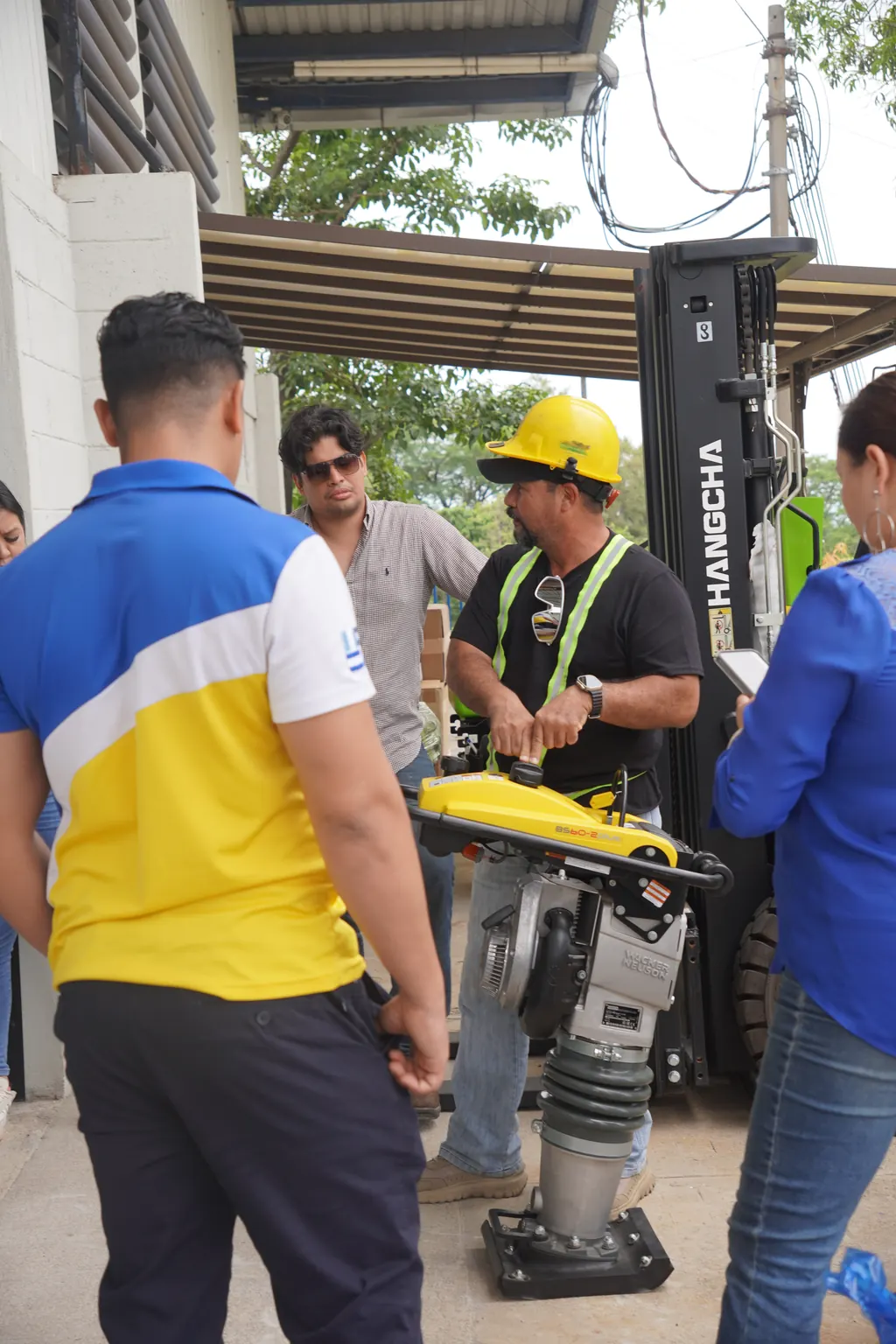
The daily inspection is learned by doing it with someone who knows. The group's APMT Academy runs skid-steer and excavator operator courses, and the pre-operation check is part of the practice. For findings that need a workshop, Grupo ConstruMarket's after-sales team serves in the workshop or on site in El Salvador, Guatemala (CMARKET), Nicaragua and Panama: request the check with the brand, model and serial number from the data plate.
Summary: what to choose
| If… | Then… |
|---|---|
| You're starting the shift | Walk-around, levels, cab, test and log |
| You find a new stain under the machine | Find the leak before starting |
| Brakes, steering or seat belt fail | Not operated until repaired |
| A dashboard warning comes on | Note the code and check with after-sales |
| Teeth or tires are worn | Report and schedule the change |
| Your model calls for another order or more points | The operator manual rules |
Get a quote without leaving
Want to work it out with an advisor?
Topic: After-sales service
Which country is your project in?
Common mistakes
Checking levels on a slope or hot
The reading is wrong and a hot radiator burns.
Doing it from memory
Without a list and a fixed order, something always gets skipped.
Not logging the hour meter
Without the reading, maintenance can't be scheduled and you can't see when a fault began.
Operating «for a bit» with the fault
A leak or weak brake worsens under load; stop and report it.
Signing without checking
A sheet signed without inspecting protects no one; the supervisor must verify it.
Book a workshop service for your Komatsu or Bobcat
250, 500 or 1,000-hour maintenance, a fault or an inspection. Suggest the day and the workshop confirms your appointment.
Frequently asked questions
What do you check before operating an excavator?
A full walk-around (ground, structure, cylinders, hoses, tracks and implement), fluid levels with the engine cold, the cab and safety devices, and a test of every function with the engine running. Your model's operator manual gives the exact list.
Who signs the daily inspection?
The operator who will use the machine does it and signs it; the supervisor reviews it and decides what to do with the findings.
When should the machine not be operated?
With a brake or steering fault, an active leak, a serious dashboard warning or a damaged or missing safety device, such as the seat belt or backup alarm. It gets repaired first.
Does the daily inspection replace maintenance?
No. Preventive maintenance is done by hours per the manufacturer's manual; the daily inspection catches what shows up between services.
Where can I get a daily inspection form?
Build yours with the five steps in this guide and the points your model's manual requires. If you need help adapting it to your fleet, ask the after-sales team in your country.
Ready for the next step?
Book workshop or on-site service