Short answer
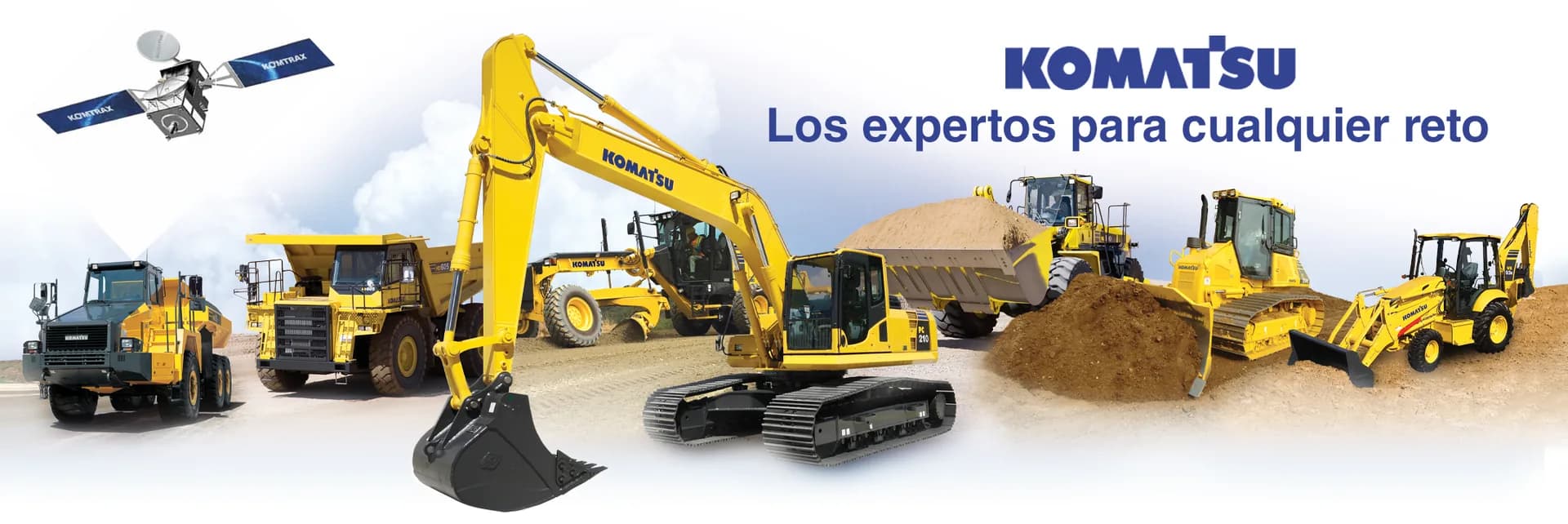
Heavy machinery makes sense by the job it does: digging (excavator, backhoe, mini excavator), loading (wheel loader, skid steer), pushing (dozer), leveling (motor grader), compacting (rollers), hauling (trucks and dumpers) and lifting or handling loads (telehandler, forklift). Most jobs combine three or four: one digs or pushes, another loads, another hauls and another leaves the ground level and compacted. Choose by the main task and the space on your site, not by size.
Advisor: tell us the job and we'll tell you which machineSeven jobs, seven families
Before looking at models, ask what job the machine will do most of the time. That answer gives you the family; size comes later, based on volume and space.
| Criterion | Typical machine | When |
|---|---|---|
| Dig | Excavator · backhoe | Trenches, footings, cuts |
| Load | Wheel loader · skid steer | Loose material into a truck or hopper |
| Push | Dozer | Clearing, earthworks, fills |
| Level | Motor grader | Roads, pads, ditches |
| Compact | Soil or asphalt roller | Bases, embankments, asphalt |
| Haul | Rigid or articulated truck, dumper | Moving material around the site |
| Lift | Telehandler · forklift | Loads at height or in a warehouse |
Excavator: the one that does the most jobs
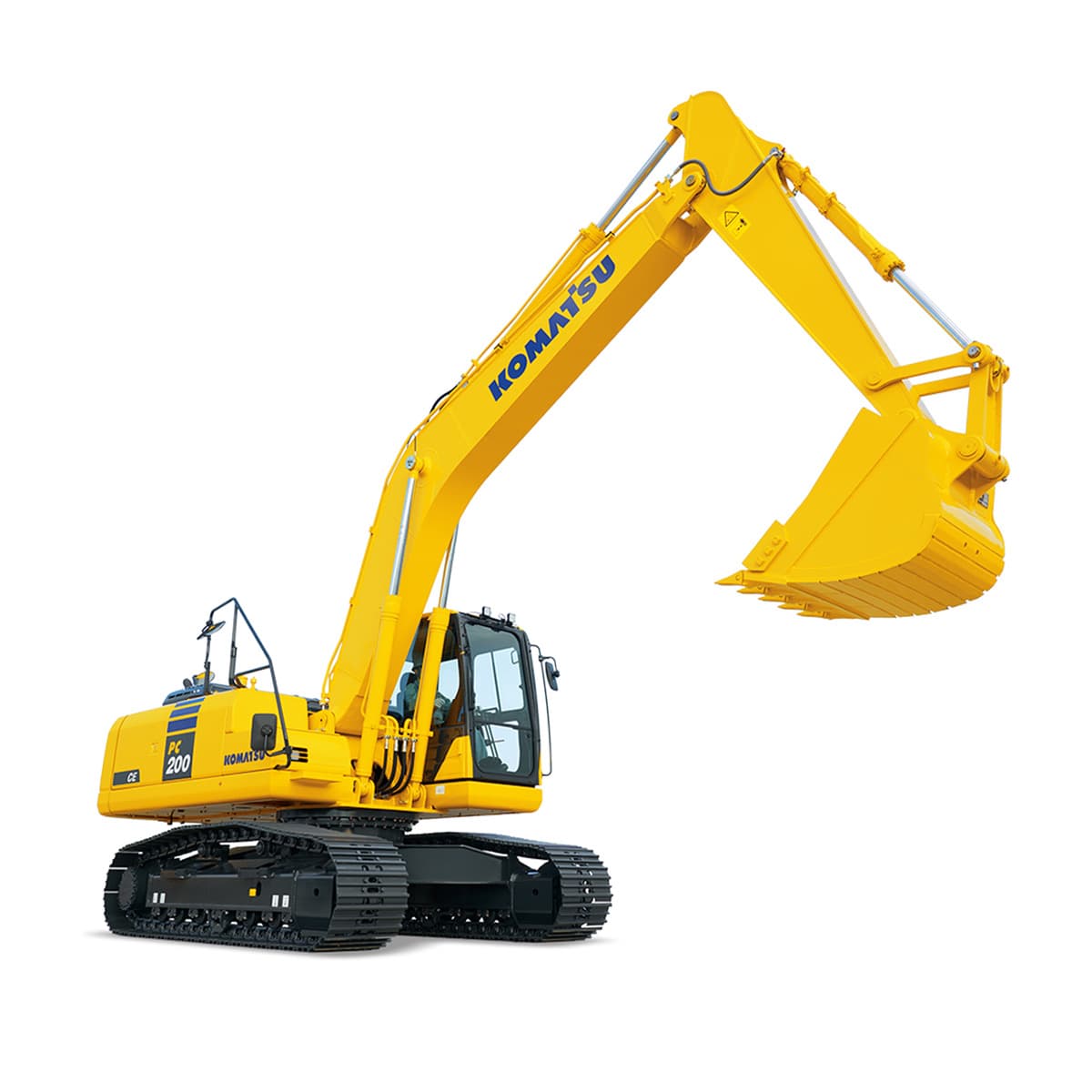
The excavator swings 360° on its undercarriage and works with a boom, arm and bucket: it opens trenches, digs footings and basements, loads trucks and, with a hydraulic breaker, demolishes. You choose it by operating weight (the 20-tonne class is the most common in civil works), by tracks or wheels, and by the reach your job needs.
In Grupo ConstruMarket's catalog, Komatsu excavators run from the PC130-8 to the PC1250-11R, in all four countries. For urban work and tight spaces there are Bobcat mini excavators (E10 to E80) in El Salvador and Panama.
- How to choose an excavator (and what size you need)
- How many cubic meters per hour does an excavator move? How to calculate productivity
- How to choose the right excavator bucket
Backhoe loader: two machines in one
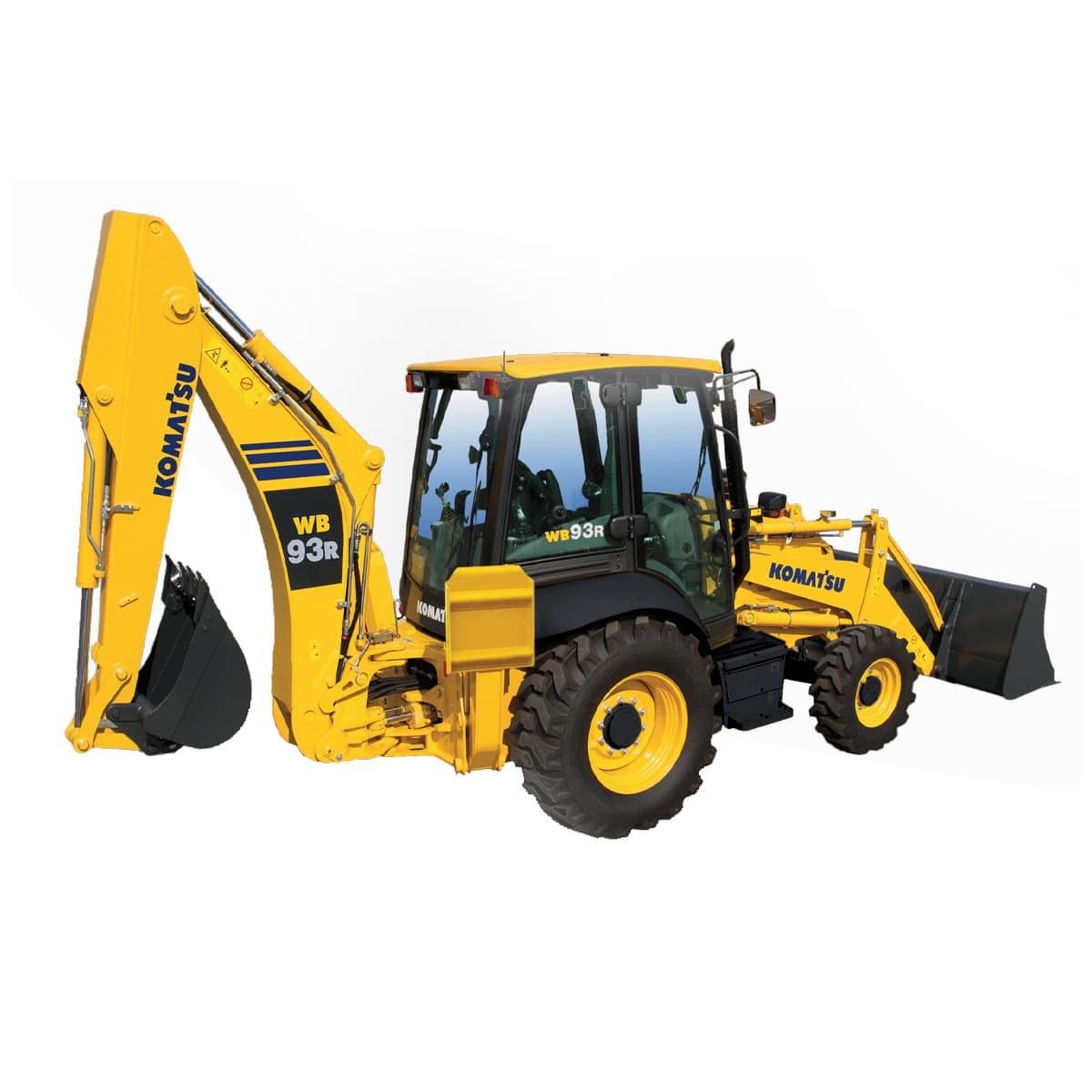
The backhoe loader has a loader in front and a digging arm in the back, on wheels. It digs medium trenches, loads, backfills and drives on the road from one job to the next without a trailer. That's why it's the machine of municipalities, urban work and contractors who do a bit of everything. What it doesn't do is match an excavator in output or digging depth.
Grupo ConstruMarket offers the Komatsu WB93R-5E0 and WB97R-5E0.
- How do you choose a backhoe loader for your jobsite?
- Mini excavator or backhoe loader: which one is right for you?
Wheel loader and skid steer: the loaders
The wheel loader picks up loose material with its bucket and carries it to a truck, a hopper or a stockpile: sand, gravel, aggregates, soil. It's the machine of yards, quarries, concrete plants and any job where loading goes on all day. Komatsu runs from the WA150-5 to the WA500-6 in the catalog.
The skid steer is its compact version: it turns on the spot, goes where the loader can't fit and changes job by changing the attachment (bucket, forks, breaker, sweeper, auger). Bobcat in El Salvador and Panama; Komatsu SK820-5E0 in Guatemala and Nicaragua.
- How to choose a wheel loader and what drives its price
- How do you choose a skid steer: radial or vertical, wheels or tracks?
- Which skid-steer attachment should you use for each job?
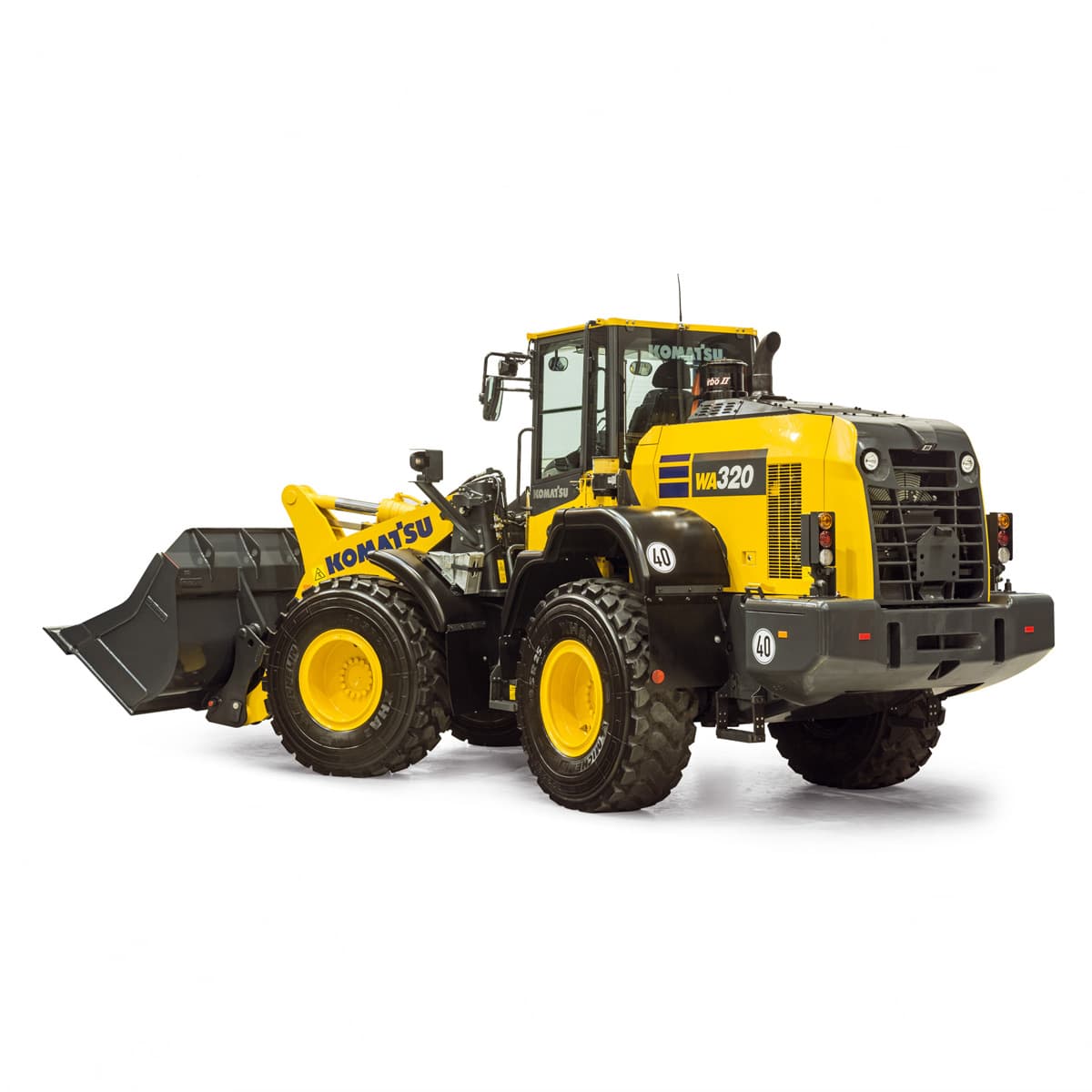
Dozer: the one that pushes
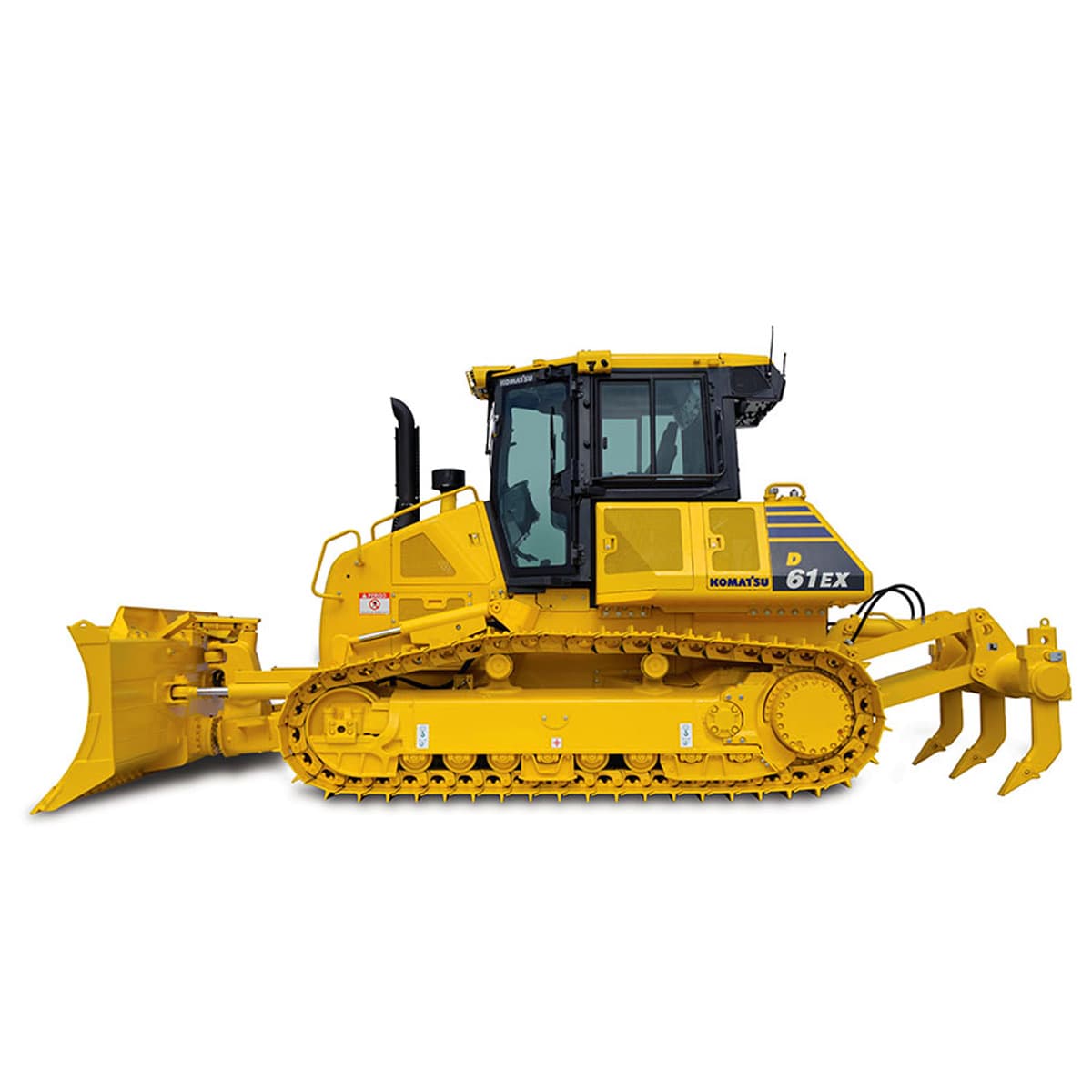
The dozer, or crawler tractor, pushes large volumes of soil with its blade and, with the ripper at the back, breaks hard ground or soft rock. It opens roads, clears land, shapes embankments and spreads fills. Its tracks spread the weight so it can work on soft ground or slopes where a wheeled machine slips. Over short push distances it's unbeatable; to move material far, load trucks instead.
Komatsu runs from the D39EX-22 to the D275AX-5E0 in the catalog.
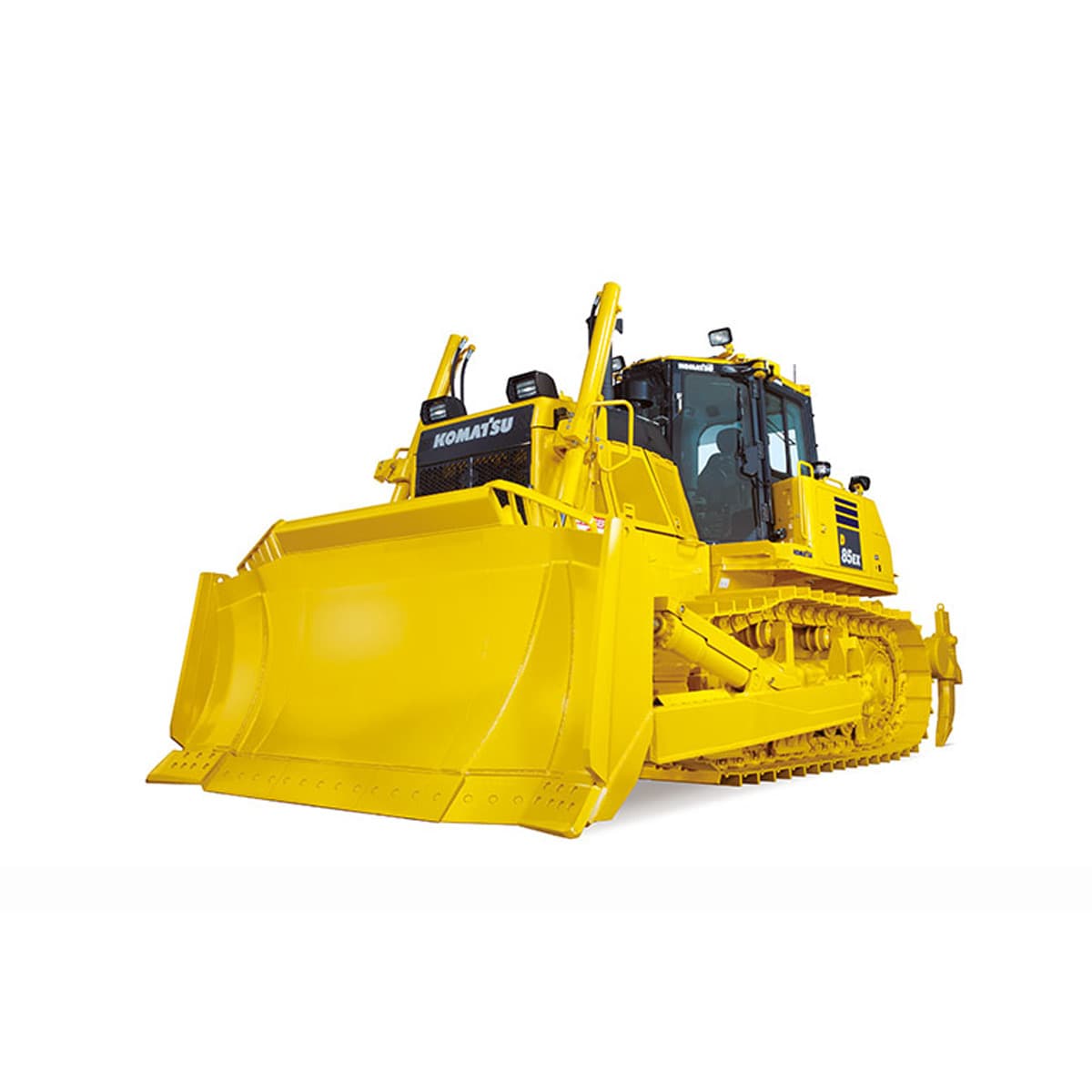
Motor grader: the one that sets the grade
The motor grader cuts and spreads thin layers with a long blade between its axles: it shapes roads and streets, levels pads, cuts ditches and maintains dirt roads. It's the precision machine of earthworks: it doesn't move big volumes, it leaves the surface at the design level and slope. With 3D guidance, it does it in fewer passes and with less surveying on site.
Komatsu runs from the GD535-5 to the GD705-5 in the catalog.
- What is a motor grader and how do you choose the right one?
- What is road infrastructure (vialidad) and what machinery does a road job need?
- What is 3D machine guidance and when does it pay for itself?
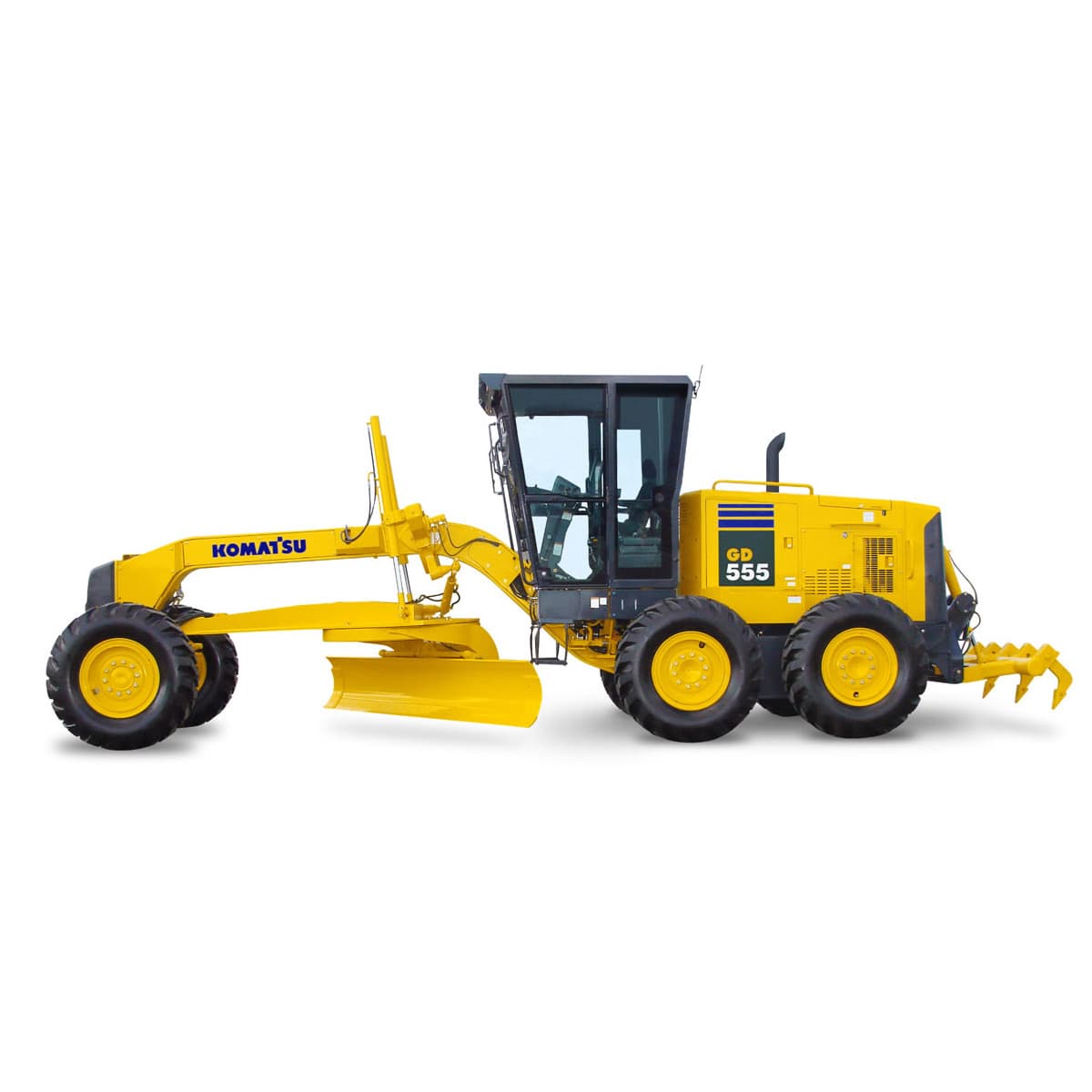
Rollers and paving equipment: the ones that compact and finish
The roller compacts what the other machines left loose. Soil rollers (smooth or padfoot) densify bases, sub-bases and embankments; asphalt rollers (tandem or pneumatic) compact freshly laid asphalt. Good compaction is what keeps a street or a pad from sinking in the first rainy season.
In El Salvador and Guatemala, Grupo ConstruMarket distributes BOMAG: soil and asphalt rollers, pavers, cold planers and recyclers. In Nicaragua, Dynapac rollers. For small areas and trenches, light compaction equipment (rammers and plates) is SIMAQ, in all four countries.
- Types of compactor: which one to use for your soil? (rammer, plate or roller)
- What equipment do you need to build a road? Machines by phase
Trucks and dumpers: the haulers
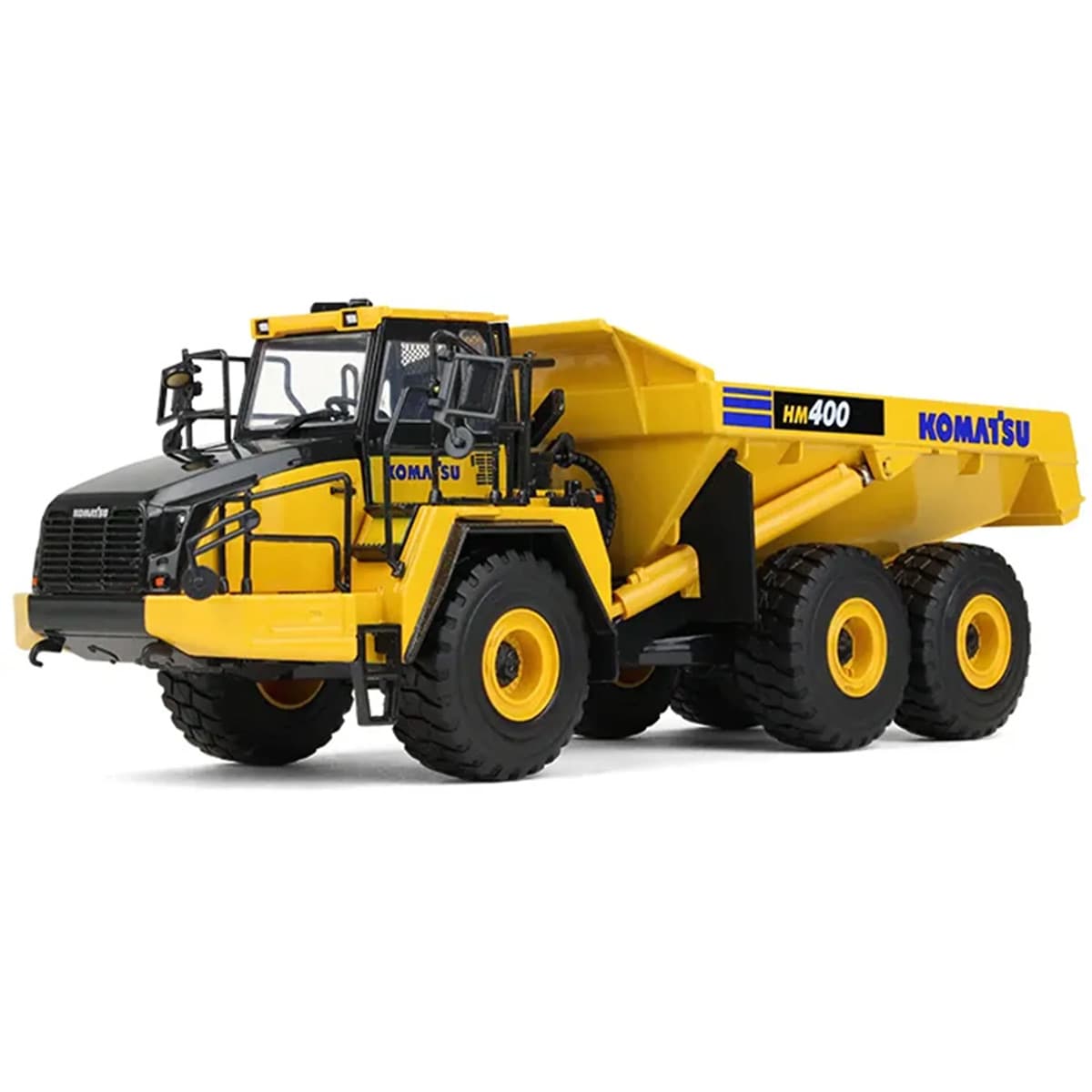
Moving material is often the costliest part of a job. The rigid off-highway truck carries big loads on firm haul roads and is the standard in quarries and mines; the articulated truck bends in the middle and keeps moving in mud, on slopes or soft ground. For short distances inside the site, the dumper with a front skip.
The catalog includes Komatsu HD325, HD405 and HD465 rigid trucks, the HM400 articulated truck, and D'Avino dumpers in El Salvador and Guatemala.
- Articulated hauler or dump truck: which one fits?
- What machinery is used in mining and how do you choose it?
- How is heavy machinery transported?
Telehandler and forklift: the lifters
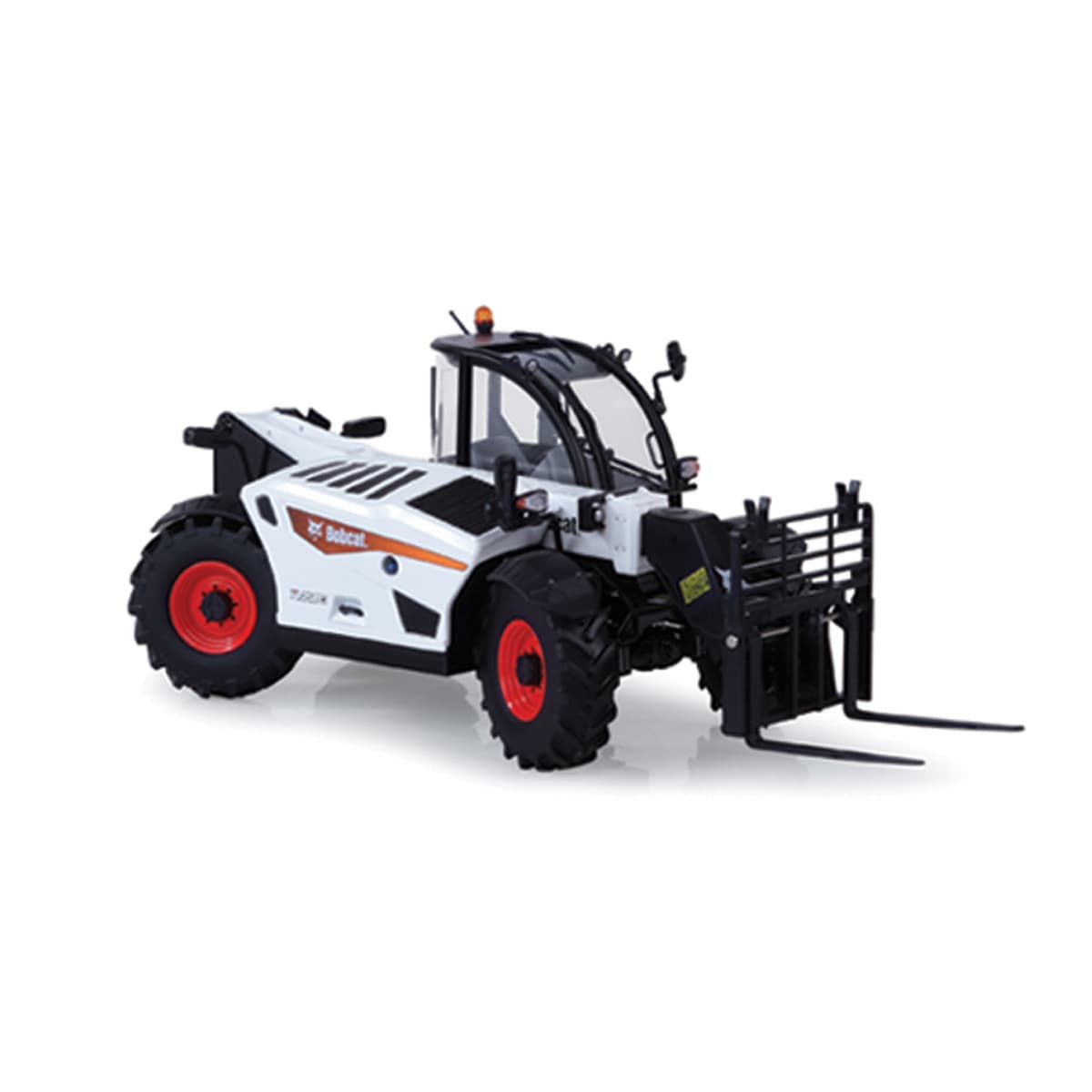
The telehandler lifts and places loads up high and forward with a telescopic boom: block, steel or pallets on the second floor of a job, or bales and sacks on the farm. The forklift moves pallets on firm floors, in a warehouse, yard or plant.
Bobcat telehandlers in El Salvador and Panama; Hangcha forklifts (electric, combustion and rough-terrain) in all four countries.
- What is a telehandler (telescopic handler) and when does it make sense?
- Which forklift do I need: diesel, LPG or electric?
- Forklift vs. skid steer: what are the differences and which do you need?
Which combination your job needs
Almost no job gets done with a single machine. Think about the flow of material: who digs it out, who loads it, who hauls it and who leaves it finished. If one machine sits waiting on another, your fleet is the wrong size, even if every machine is good.
If you only need a machine for a few weeks, renting may beat buying; if it will work every day for years, compare the cost per hour of owning it.
- Rent or buy machinery? How to decide with numbers
- How do you calculate a machine's cost per hour?
- Excavator brands in Guatemala and Central America: how do you compare them?
What job do you have?
- Trenches and urban work → Backhoe or mini excavator + light compaction
- Earthworks and pads → Dozer + excavator + trucks + roller
- Road or street → Motor grader + roller (+ paver)
- Yard, quarry or plant → Wheel loader + trucks
- Building → Excavator + telehandler + skid steer
Heavy or light machinery: where the line is
There's no official boundary, but on site heavy machinery means machines with a diesel engine, a cab or ride-on operator, that move soil or loads in volume: everything in this guide. Light equipment is what you run on foot or carry in a pickup: rammers, plate compactors, concrete mixers, concrete vibrators, saws, water pumps and light towers.
At Grupo ConstruMarket, light equipment is SIMAQ, the group's own brand, plus Wacker Neuson in El Salvador and Guatemala. The how-to guides for light equipment and concrete live in the SIMAQ School (simaq.pro/aprende).
Summary: what to choose
| If… | Then… |
|---|---|
| You'll dig trenches or footings | Excavator (or backhoe in urban work) |
| You load loose material all day | Wheel loader |
| You need one machine for many small jobs | Skid steer with attachments |
| You move a lot of soil over short distances | Dozer |
| You need to grade a road | Motor grader + roller |
| You haul material far within the site | Articulated or rigid truck |
| You lift loads to a second floor | Telehandler |
Get a quote without leaving
Want to work it out with an advisor?
Topic: Heavy machinery for my job
Which country is your project in?
Common mistakes
Choosing by size, not by job
A big machine on a small job doesn't produce more: it gets in the way and burns more.
Asking one machine to do another's job
Digging with a loader or grading with a dozer is possible, but slow and expensive.
Sizing each machine separately
If the excavator fills faster than trucks can haul, you have too much excavator or too few trucks.
Forgetting compaction
Without a roller, fill settles with the rain and the work gets redone.
Ignoring local backing
Parts and a workshop nearby weigh as much as the machine.
Take it to the job site
Print the checklist to go over it on site, or send the guide to your crew.
Frequently asked questions
What are the types of heavy machinery?
By the job they do: digging (excavator, backhoe, mini excavator), loading (wheel loader, skid steer), pushing (dozer), leveling (motor grader), compacting (rollers), hauling (rigid and articulated trucks, dumpers) and lifting (telehandler, forklift).
What heavy machinery is used in construction?
The most common in civil works is the excavator, followed by the backhoe loader, wheel loader, skid steer, compaction roller and trucks. Road jobs add the motor grader and paving equipment; large earthworks add the dozer.
What's the difference between an excavator and a backhoe loader?
The excavator swings 360°, runs on tracks (or wheels) and digs deeper and faster. The backhoe loader runs on wheels, digs at the back and loads at the front, and drives on the road between jobs. If you mostly dig, an excavator; if you do a bit of everything in urban work, a backhoe.
What is “yellow iron”?
It's what the region calls construction and earthmoving machinery —excavators, backhoes, loaders, dozers, motor graders— after the color many manufacturers paint it.
Which machine levels the ground?
For roads and large pads, the motor grader; to move and rough-level big volumes, the dozer; for small areas, a skid steer with a grading attachment. After leveling, compact with a roller.
Where can I buy heavy machinery in Central America?
Grupo ConstruMarket is Komatsu's authorized distributor in El Salvador, Guatemala (as CMARKET), Nicaragua and Panama, and adds BOMAG and D'Avino in El Salvador and Guatemala, Bobcat in El Salvador and Panama and Dynapac in Nicaragua, with workshops and parts in each country.
Ready for the next step?
Get a quote for your jobGrupo ConstruMarket · Job site checklist
What types of heavy machinery are there and what is each one for?
Heavy machinery makes sense by the job it does: digging (excavator, backhoe, mini excavator), loading (wheel loader, skid steer), pushing (dozer), leveling (motor grader), compacting (rollers), hauling (trucks and dumpers) and lifting or handling loads (telehandler, forklift). Most jobs combine three or four: one digs or pushes, another loads, another hauls and another leaves the ground level and compacted. Choose by the main task and the space on your site, not by size.
Avoid
- Choosing by size, not by job. A big machine on a small job doesn't produce more: it gets in the way and burns more.
- Asking one machine to do another's job. Digging with a loader or grading with a dozer is possible, but slow and expensive.
- Sizing each machine separately. If the excavator fills faster than trucks can haul, you have too much excavator or too few trucks.
- Forgetting compaction. Without a roller, fill settles with the rain and the work gets redone.
- Ignoring local backing. Parts and a workshop nearby weigh as much as the machine.
Job site:
Date:
Supervisor:
Scan it for the full guide, with video and FAQ
https://grupoconstrumarket.com/en/guias/tipos-de-maquinaria-pesada-y-para-que-sirve-cada-una