Short answer
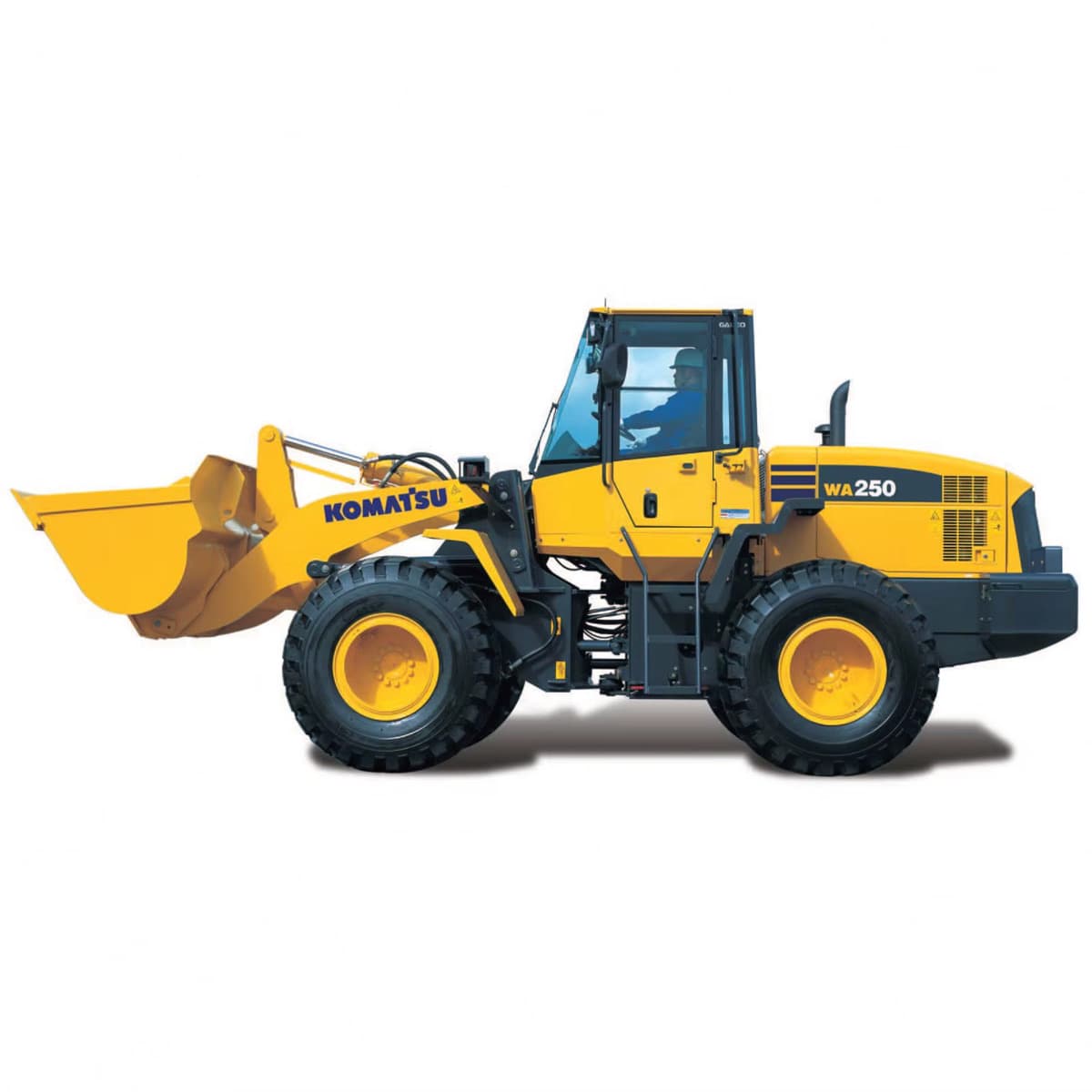
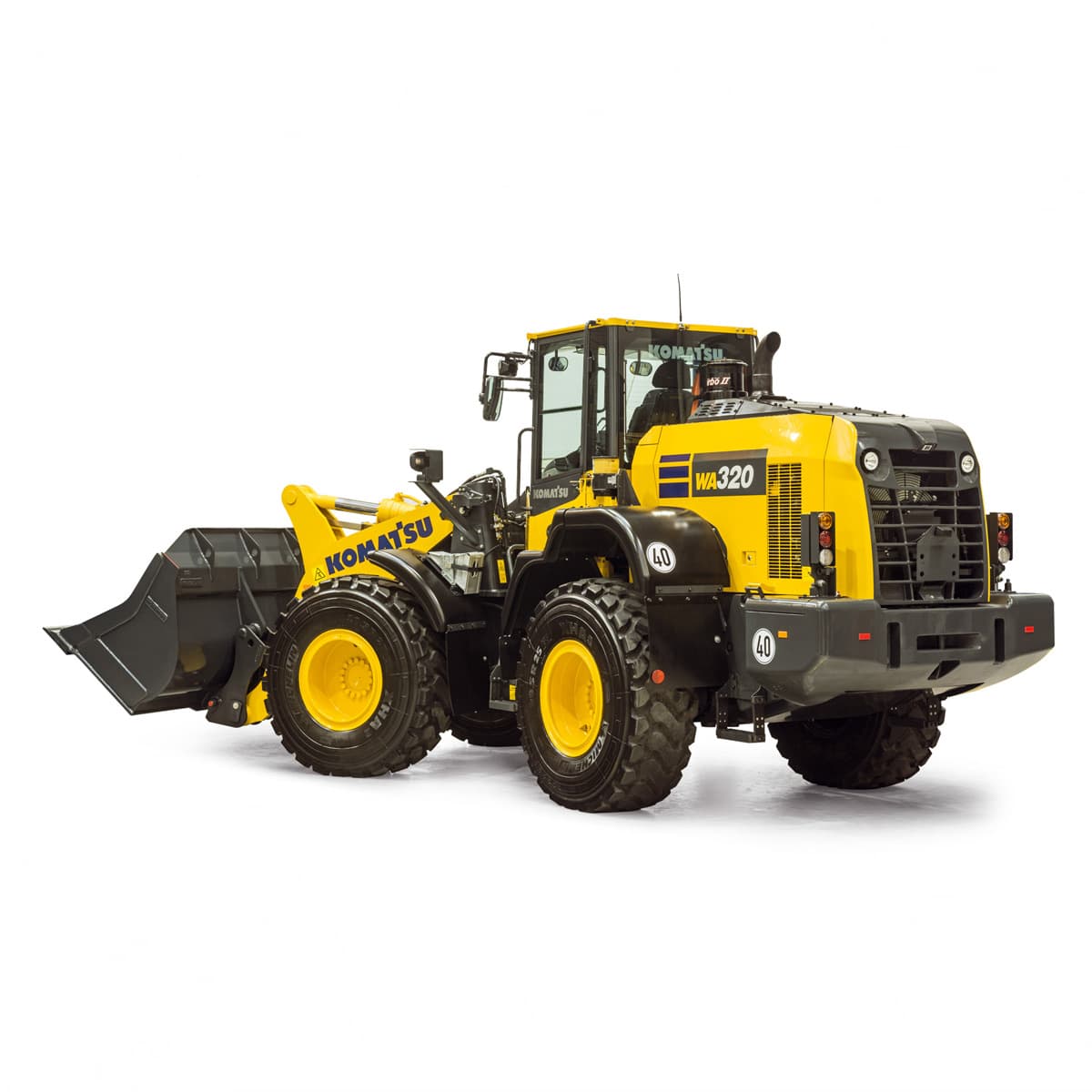
A wheel loader has two halves joined by a center articulation. The front half carries the work equipment: the bucket, the lift arms, the linkage and the lift and tilt cylinders. The rear half carries the cab, the engine, the transmission, the hydraulic system and the weight that balances the load. The loader steers by bending at the articulation, not with the wheels. The parts changed most often are the bucket's cutting edge and teeth, the pins and bushings, the tires and the filters.
The two halves of a wheel loader
Thinking of it in two halves helps you name any part: what's ahead of the articulation loads, and what's behind it drives and balances.
- Work equipment: Bucket, lift arms, linkage, lift and tilt cylinders
- Front frame and front axle: Carries the work equipment and the front wheels
- Center articulation: Joins the two halves; the steering cylinders bend it to turn
- Rear half: Cab, engine, transmission, hydraulic pump, rear axle and counterweight
Front: bucket, arms and cylinders
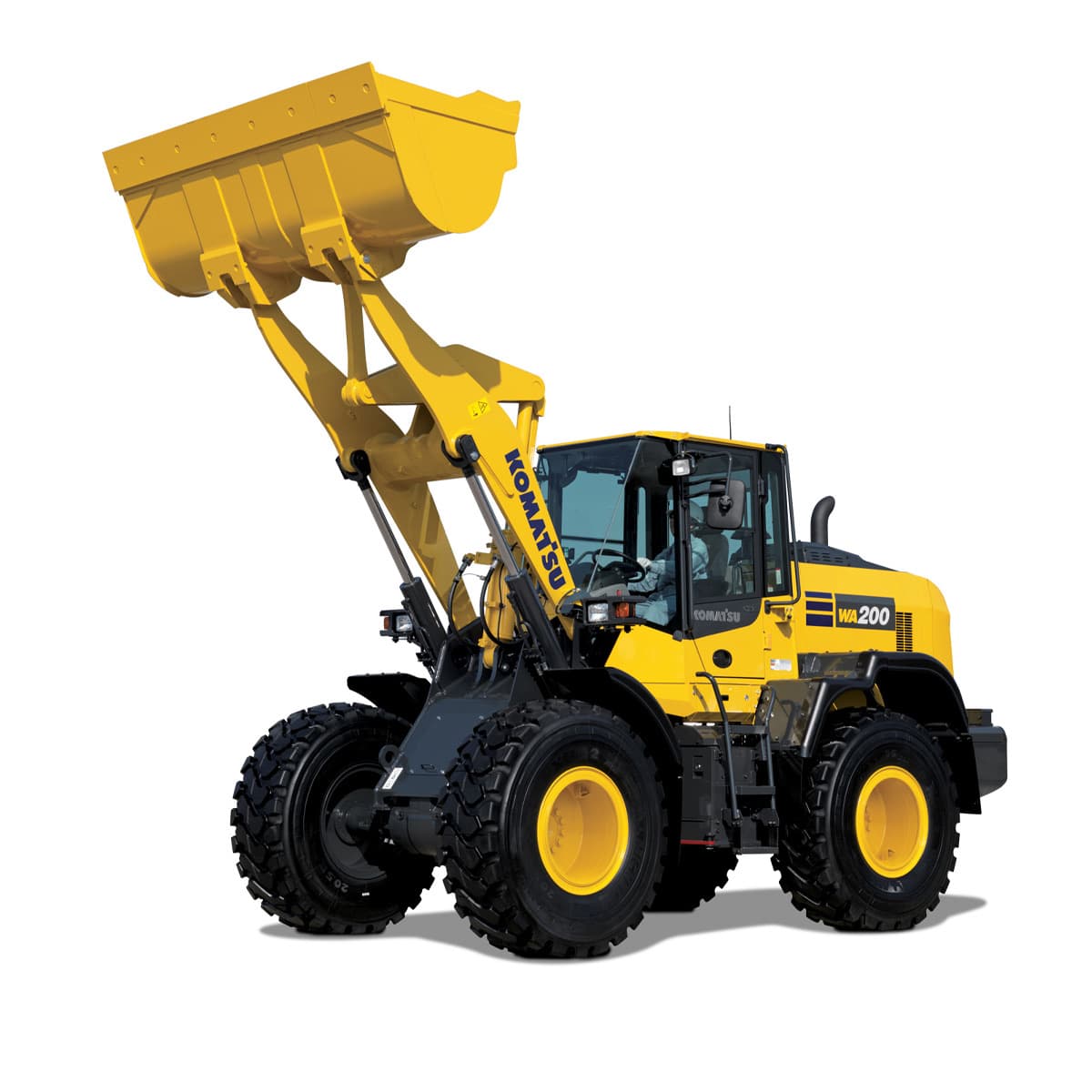
The bucket is the tool: it loads, carries and dumps. The lift arms hold it and rise with the lift cylinders, and the tilt cylinder tips it through the linkage, the bars that connect the cylinder to the bucket. Depending on the model, the linkage gives the bucket more breakout force or keeps it more level as it rises.
Bucket size goes with the machine and the material. The Komatsu WA200-6, for example, runs a 2.0 m³ heaped stockpile bucket, per its datasheet, and the same datasheet gives its static tipping load: 8,655 kg straight and 7,445 kg with the machine articulated 38°. A bucket bigger than the machine can handle with that material makes it unstable.
On the bucket, the cutting edge, the teeth with their adapters and the shrouds wear out. On the arms and linkage, the pins and bushings, greased as the manual says.
- Bucket: loads, carries and dumps.
- Lift arms: raise and lower the bucket.
- Lift cylinders: raise the arms.
- Tilt cylinder and linkage: tip the bucket to fill and dump.
- Cutting edge, teeth, adapters and shrouds: the bucket's wear parts.
- Pins and bushings: the arm and linkage joints.
Middle: the center articulation
A wheel loader doesn't turn its wheels like a car: it bends in the middle. Two steering cylinders push the front half to one side or the other on the center articulation pins: on the WA200-6, up to 38° each way, per its datasheet. That's why the rear wheels follow the same path as the front ones and the machine turns in little space.
That same articulation is a danger zone: when the machine turns, the gap between the two halves closes. Nobody stands there with the engine running, and for service the articulation lock that comes with the machine is put in place.
Rear: cab, engine, transmission and axles
The rear half is the powertrain. The diesel engine sits at the back and its weight, together with the counterweight, balances what the bucket lifts; on the WA200-6 it delivers 94 kW (126 HP) net, per its datasheet. The engine drives the transmission —hydrostatic on the WA200-6—, which sends power to both axles, and the hydraulic pump, which supplies pressurized oil to the lift, tilt and steering cylinders. The rear axle oscillates to follow the ground: 24° total on the WA200-6.
The cab sits on the rear half, with the bucket controls, the steering wheel, the dashboard and the data plate. The Komatsu line comes with KOMTRAX. Below are the axles with their brakes and the tires, which on a loader are one of the costliest parts to maintain.
- Diesel engine and radiator: at the rear, they help balance the load.
- Counterweight: the rear weight that keeps it from tipping forward.
- Transmission: sends power to the axles.
- Hydraulic pump and tank: move every cylinder.
- Axles, brakes and tires.
- Cab, controls, dashboard and data plate.
- How do you read your machine's data plate and serial number?
- Daily inspection before operating a machine: the complete checklist
How to order the right part
With the right name you're halfway there; the other half is identifying your machine. Send the full model and serial number from the plate, a photo of the old part and its part number if you can read it. For edges and teeth, also say which bucket you run, because the same model can take several.
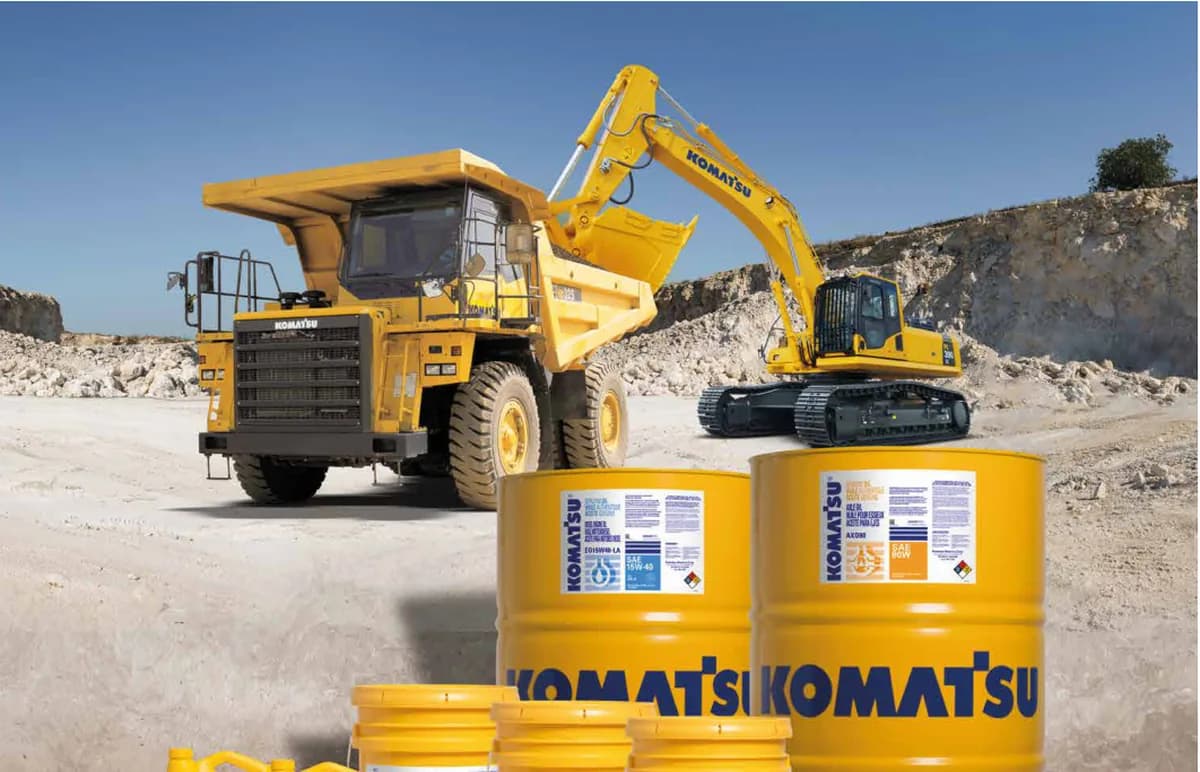
Grupo ConstruMarket quotes genuine Komatsu parts and wear parts in all four countries; at /repuestos you can search by part number.
- Genuine or aftermarket parts: which makes sense and what to check?
- What are the parts of an excavator and what does each one do?
Summary: what to choose
| If… | Then… |
|---|---|
| The part loads or tips the bucket | Work equipment: bucket, arms, linkage, cylinders |
| The part steers the machine | Center articulation and steering cylinders |
| The part drives the machine | Engine, transmission, axles and tires |
| It wears with use | Edge, teeth, pins, bushings, tires and filters |
| You're ordering the part | Model + serial + photo + which bucket you run |
Get a quote without leaving
Want to work it out with an advisor?
Topic: Wheel loader parts
Which country is your project in?
Common mistakes
Standing in the articulation with the engine running
When it turns, the two halves close: it's one of the loader's crush zones.
Fitting a bigger bucket “to move more”
With dense material the machine loses stability and overloads axles, tires and pins.
Letting the edge wear into the bucket
The edge is a wear part; the bucket isn't.
Skipping linkage greasing
Dry pins and bushings put slack in the bucket and eat the bores.
Take it to the job site
Print the checklist to go over it on site, or send the guide to your crew.
Book a workshop service for your Komatsu or Bobcat
250, 500 or 1,000-hour maintenance, a fault or an inspection. Suggest the day and the workshop confirms your appointment.
Frequently asked questions
What are the parts of a wheel loader?
The work equipment at the front (bucket, lift arms, linkage and lift and tilt cylinders), the center articulation joining the two halves, and the rear half with the cab, engine, transmission, hydraulic pump, axles, tires and counterweight.
How does a wheel loader steer?
It bends at the center articulation: two steering cylinders push the front half to one side or the other. The wheels don't turn like a car's.
What is a wheel loader's tilt cylinder for?
It tips the bucket through the linkage: it curls it back to fill and tips it forward to dump.
Which wheel loader parts wear most?
The bucket's cutting edge, teeth and shrouds, the pins and bushings of the arms and linkage, the tires and the filters, which are changed by hours.
Are a wheel loader and a payloader the same thing?
Yes. On site people call the wheel loader a payloader, loading shovel or loader: a big bucket at the front on an articulated machine on tires.
Ready for the next step?
Find a part by part numberGrupo ConstruMarket · Job site checklist
What are the parts of a wheel loader and what does each one do?
A wheel loader has two halves joined by a center articulation. The front half carries the work equipment: the bucket, the lift arms, the linkage and the lift and tilt cylinders. The rear half carries the cab, the engine, the transmission, the hydraulic system and the weight that balances the load. The loader steers by bending at the articulation, not with the wheels. The parts changed most often are the bucket's cutting edge and teeth, the pins and bushings, the tires and the filters.
Front: bucket, arms and cylinders
- Bucket: loads, carries and dumps.
- Lift arms: raise and lower the bucket.
- Lift cylinders: raise the arms.
- Tilt cylinder and linkage: tip the bucket to fill and dump.
- Cutting edge, teeth, adapters and shrouds: the bucket's wear parts.
- Pins and bushings: the arm and linkage joints.
Rear: cab, engine, transmission and axles
- Diesel engine and radiator: at the rear, they help balance the load.
- Counterweight: the rear weight that keeps it from tipping forward.
- Transmission: sends power to the axles.
- Hydraulic pump and tank: move every cylinder.
- Axles, brakes and tires.
- Cab, controls, dashboard and data plate.
Avoid
- Standing in the articulation with the engine running. When it turns, the two halves close: it's one of the loader's crush zones.
- Fitting a bigger bucket “to move more”. With dense material the machine loses stability and overloads axles, tires and pins.
- Letting the edge wear into the bucket. The edge is a wear part; the bucket isn't.
- Skipping linkage greasing. Dry pins and bushings put slack in the bucket and eat the bores.
Job site:
Date:
Supervisor:
Scan it for the full guide, with video and FAQ
https://grupoconstrumarket.com/en/guias/partes-de-un-cargador-frontal-y-para-que-sirve-cada-una