Short answer
An architectural screen (celosía) is an enclosure of spaced slats or panels that lets air and some light through but blocks the direct view: it hides balconies, service yards, equipment and parking without closing them in. Choose it by what it must solve first: ventilation, privacy, sun or rain. If rain blows sideways onto it, look for a geometry that keeps water out; if sun is the problem, think about a sun louver.
What a screen is and what it's for
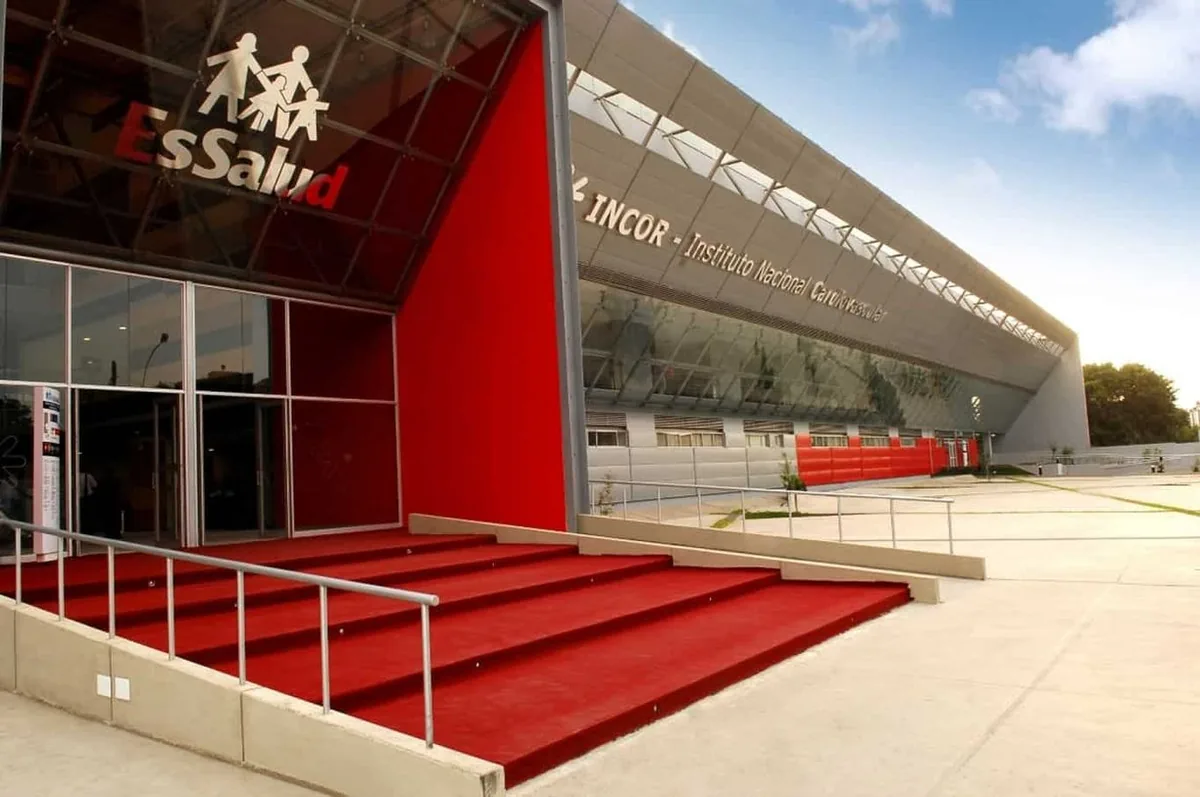
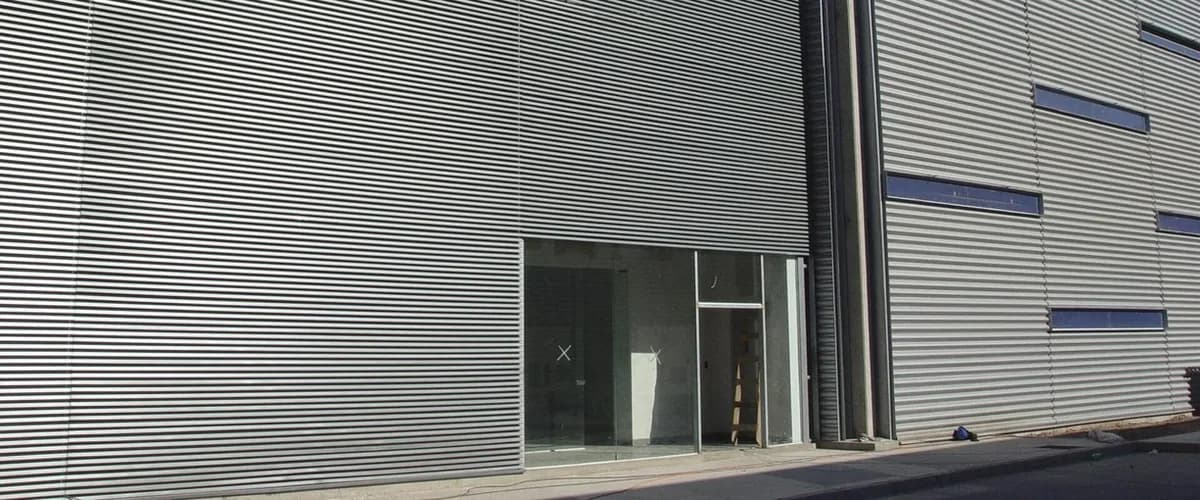
A screen solves a common conflict in the tropics: you need air to flow, but you don't want what's behind it to be seen. That's why it appears on apartment balconies used for drying clothes, service yards, machine and air-conditioning rooms, parapets, parking structures and warehouse façades. It also tidies up the façade visually: a surface of continuous slats looks cleaner than a wall with exposed equipment.
Hunter Douglas describes its C screens as heat-enameled aluzinc panels in a continuous line with variable spacing, recommended as a view screen for balconies, service yards and parapets, and for areas that need air exchange and view control.
Screen, sun louver and shutter: not the same thing
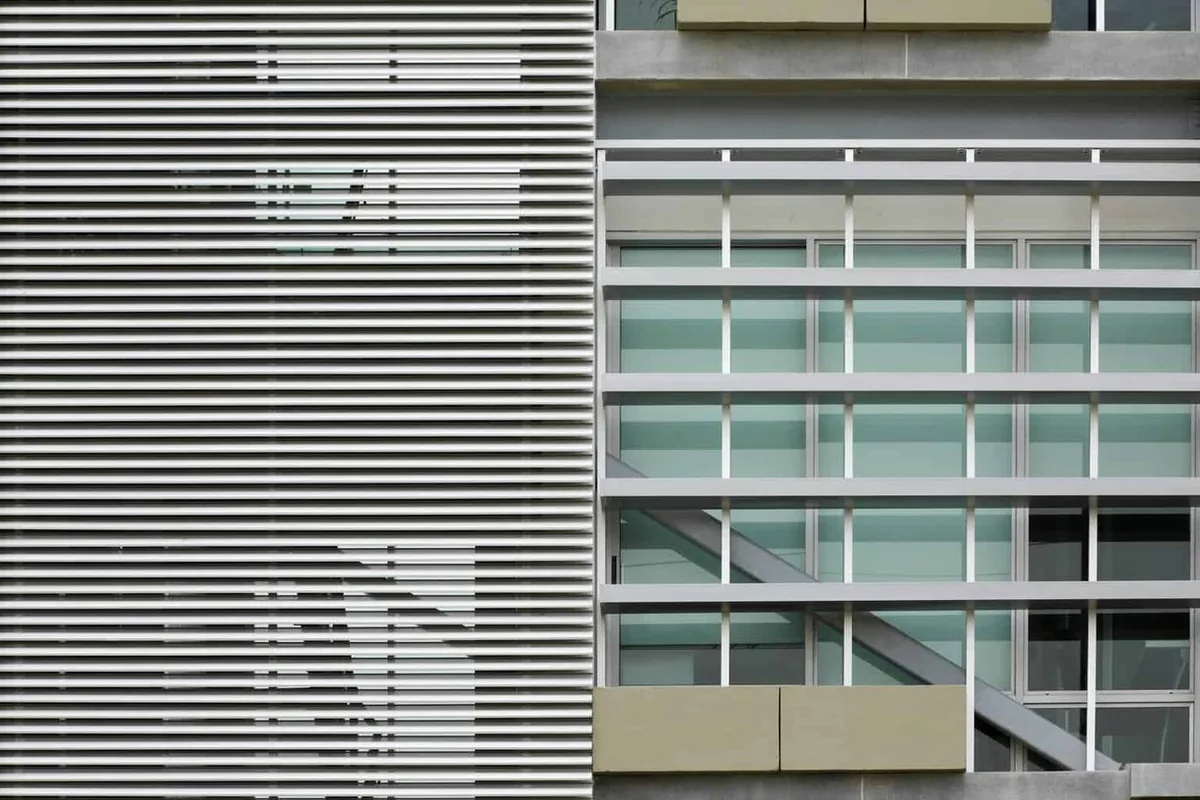
All three use slats, but each has a main job. A screen is fixed and seeks ventilation with privacy. A sun louver (brise-soleil) is designed to block direct sun on a façade or glazing, and its spacing and orientation are calculated for the sun. A shutter has moving slats: Hunter Douglas's 80 mm Exterior Aluminum Blind is motorized, with 80 mm slats and adjustable tilt, and the Metalbrise has synchronized rotating blades, in a movable version (manual or motorized) or fixed.
One product can play two roles: Celoscreen, for example, works as a view screen and as an overhead sunshade.
| Criterion | Screen | Sun louver | Shutter |
|---|---|---|---|
| Main function | Privacy and air | Block direct sun | Adjust light and view |
| Slats | Fixed | Fixed, sun-oriented | Movable |
| Ventilation | High | Depends on design | By opening |
| Example | C23–C40 E, 70S | Celoscreen | 80 mm blind, Metalbrise |
Hunter Douglas screen types
These are the catalog systems and where each one fits, according to Hunter Douglas datasheets:
- C23–C40 E screen: heat-enameled aluzinc panels in a continuous line; the E geometry gives greater protection against water. For balconies, service yards and parapets.
- C23E–C40E screen: the same family, in heat-enameled aluzinc or aluminum, with a geometry that keeps water out.
- 70S screen: for spaces that need air renewal, or as a decorative element, with passive solar control. It installs quickly with a carrier and concealed fasteners, and its anchors correct out-of-plumb structures.
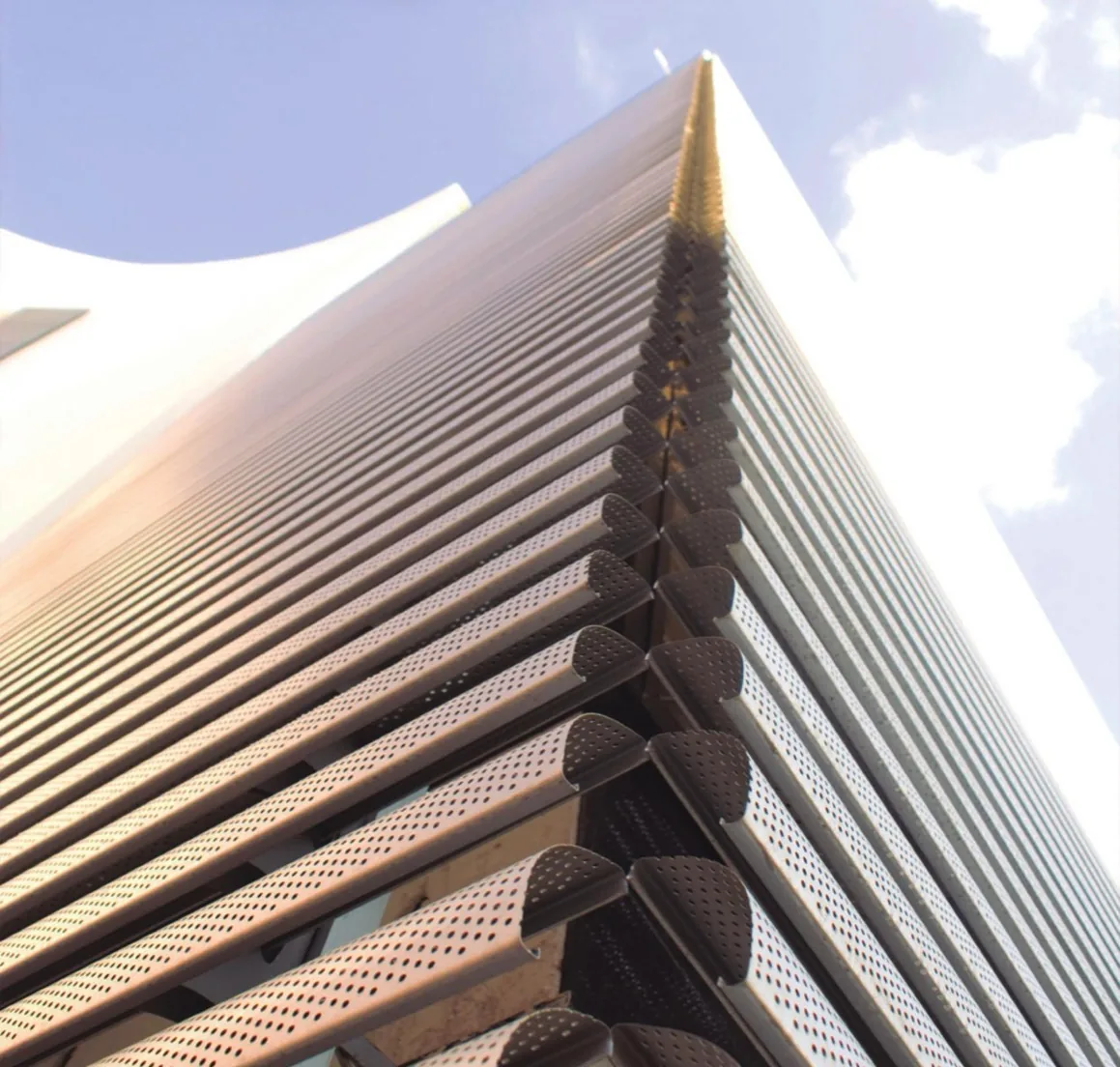
- Celoscreen: carrier profiles and pre-painted aluzinc panels, plain or perforated. Five carrier pitches, from 110 to 200 mm; snap-on mounting vertical, horizontal or inclined. It's recommended not to exceed 10 m in length.
How to choose: five questions
Before picking a color, answer this:
- What must it solve first? Privacy and air → screen; sun on glazing → sun louver; changing light through the day → shutter.
- Does rain hit it sideways? On façades exposed to wind-driven rain, choose a water-shedding geometry, like the E in the C23–C40 family.
- How much view and light do you want to cut? Slat spacing and perforation decide it; on Celoscreen, carrier pitch goes from 110 to 200 mm.
- How long is the run? Check the system's recommended maximum length; on Celoscreen, no more than 10 m.
- What's the structure like? If the wall or slab is out of plumb, the 70S has anchors that correct it.
What do you need to solve?
- Hide a balcony in the rain → C23–C40 E
- Renew air, uneven structure → 70S screen
- Façade or overhead sunshade → Celoscreen
- Adjust light during the day → 80 mm blind or Metalbrise
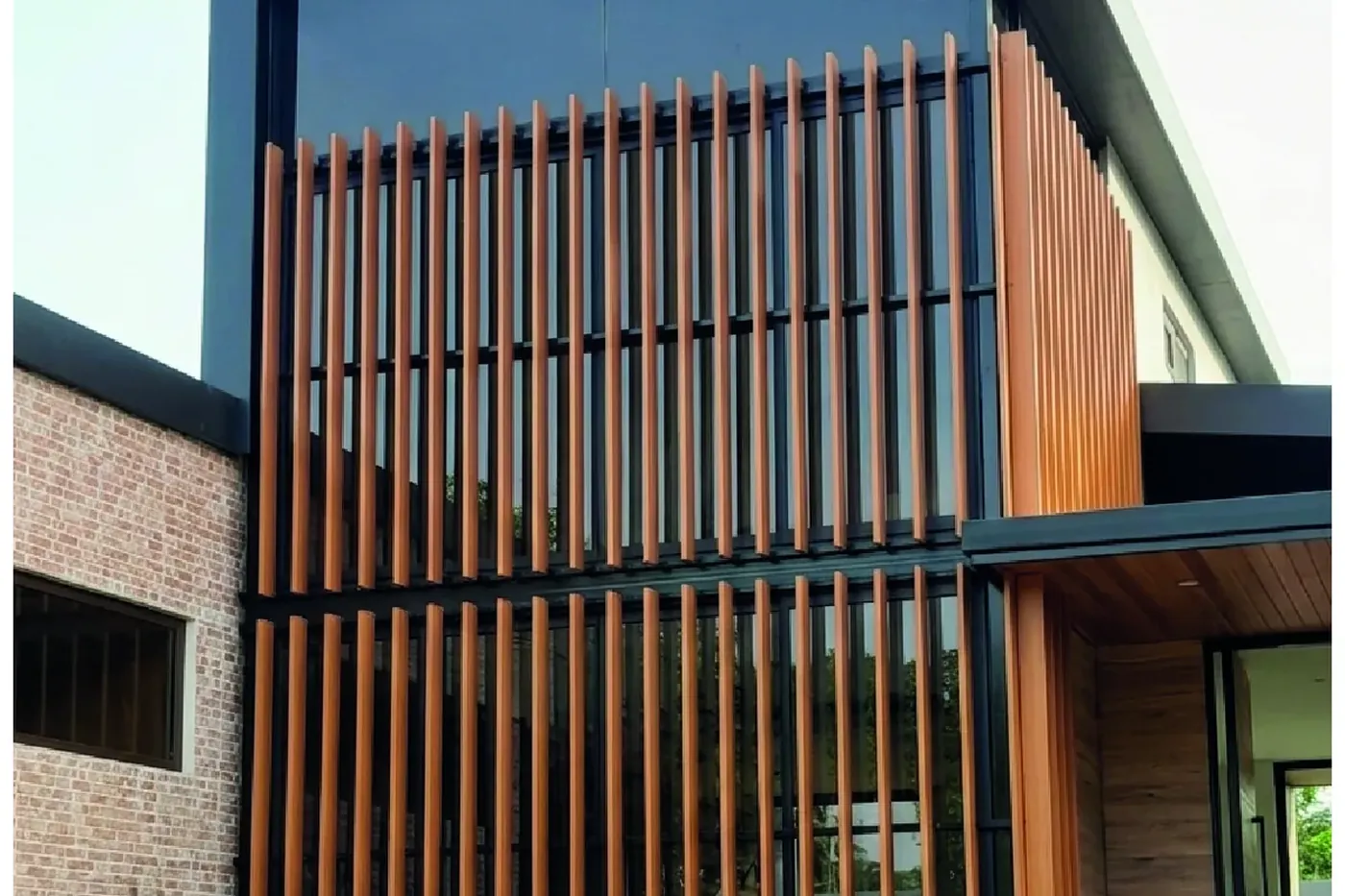
- Vertical wood-look slats (SV) → LuxaLouver
Materials, colors and finishes
Hunter Douglas screens come in heat-enameled aluzinc and, depending on the system, also in aluminum, corten steel, copper and zinc. There are more than 100 standard colors and custom colors on request, plain or perforated, with Woodgrains (wood look) and Mineralgrains (mineral look) finishes.
To choose a material, think about the environment. Near the sea, salt attacks metals faster; aluminum resists corrosion well, and it's worth confirming with the advisor the right material and coating for your location. Corten steel forms a rust-colored patina that's part of its look, and copper and zinc change tone over time: choose them if that aging is what you want, and make sure their runoff doesn't stain light surfaces below.
LuxaLouver: the LuxaLine option in El Salvador
In El Salvador, the group also offers LuxaLouver, from LuxaLine, its own architecture brand. They're 2.44 m aluminum composite pieces forming a rectangular body (22 × 130 mm profile, with 20/120 and 20/95 options), reinforced inside with a structural profile. They're fixed with a C anchor that wraps the panel, allowing fixing between slabs, and the spacing between pieces is set by the designer. It comes in different colors and wood-look finishes.
Installation and maintenance
A screen is part of the façade: it's anchored to the structure and takes wind and rain. It's installed by crews experienced in façades, following the manufacturer's details, and the anchor design must consider local wind. Coordinate first with what goes behind it: air-conditioning units need room to exhaust hot air, and drying areas need enough light and ventilation.
Maintenance is simple: wash with water and neutral soap to remove dust and salt, more often near the sea, and check the fasteners periodically.
Where to get a quote for screens in Central America
Grupo ConstruMarket is Hunter Douglas's authorized distributor in El Salvador, Guatemala (CMARKET), Nicaragua and Panama, with its line of screens, sun louvers and exterior blinds. LuxaLouver is offered in El Salvador. To get a quote, send the length and height of each run, the use (balcony, façade, equipment room), the orientation and photos or a plan of the site; an architecture advisor will contact you during business hours.
- El Salvador: Zaragoza, Antiguo Cuscatlán and San Miguel.
- Guatemala (CMARKET): Mixco, Río Hondo and Xela.
- Nicaragua: Managua. Panama: Panama City.
Summary: what to choose
| If… | Then… |
|---|---|
| You need to hide without closing in | Screen |
| Rain hits it sideways | E geometry (C23–C40 family) |
| The problem is sun on glazing | Sun louver |
| You want to adjust light through the day | 80 mm blind or Metalbrise |
| The structure is out of plumb | 70S screen |
| The run is very long | Check the maximum length (Celoscreen: 10 m) |
Get a quote without leaving
Want to work it out with an advisor?
Topic: Architectural screens
Which country is your project in?
Common mistakes
Confusing a screen with a sun louver
A privacy screen may not block afternoon sun; define the main job.
Ignoring sideways rain
Without a water-shedding geometry, the balcony still gets wet.
Smothering equipment
A condenser behind a tight screen recirculates hot air.
Choosing material without thinking of the sea
Salt speeds up corrosion; confirm material and coating.
Exceeding the recommended length
Each system has a recommended maximum length; if your run exceeds it, solve it with the advisor.
Frequently asked questions
What is a screen (celosía) in architecture?
It's an enclosure of spaced slats or panels that lets air and light through but blocks the direct view. It's used on balconies, service yards, equipment rooms and façades.
What's the difference between a screen and a sun louver?
A screen seeks ventilation with privacy; a sun louver is designed to block direct sun on a façade or glazing. Some systems, like Celoscreen, do both.
What are metal screens made of?
Hunter Douglas screens are heat-enameled aluzinc and, depending on the system, also aluminum, corten steel, copper or zinc, with over 100 colors and wood or mineral-look finishes.
How much does a screen cost per square meter?
It depends on the system, material, color, perforation, installation height and anchors. Send each run's measurements, use and photos to get a quote.
Where to buy Hunter Douglas screens in El Salvador or Guatemala?
Grupo ConstruMarket is Hunter Douglas's authorized distributor in El Salvador, Guatemala (CMARKET), Nicaragua and Panama. Request the quote from this page.
Ready for the next step?
Get a quote for screens and solar control